
Reviewed · WESTERPLATTE & MUSEUM OF WWII TOURS
Museum of the Second World War Gdansk Private Tour & Tickets
WWII hits Gdansk in the gut. This private tour combines skip-the-line entry to the Museum of the Second World War with a licensed guide who helps you connect the city’s Jewish community, resistance, and postwar struggle into one clear story. I especially like the one-on-one pacing (you can ask questions without competing for attention), and I also like that the tour includes more than just the museum, so you see how the war echoes through major memorials and Solidarity-era sites. One thing to consider: a longer option adds moderate walking and some uneven ground, so comfortable shoes matter.
If you want the history straight, this is a smart way to do it. The structure is simple: a focused museum visit first, then a guided walk through places tied to resistance, communism, and the push toward independence. In the feedback I saw, guides like Małgorzata earned praise for being punctual, professional, and excellent at answering questions clearly, which is exactly what you want in a heavy topic.
In This Review
- Key Takeaways Before You Go
- Entering The Day: What This Tour Feels Like on the Ground
- Price and Value: What You’re Paying For
- Time Options in Plain English: 2 Hours vs Extended Walks
- Getting Oriented at Plac Władysława Bartoszewskiego
- Museum of the Second World War: Skip the Line, Keep Your Momentum
- Defenders of the Polish Post Office and the Church of St. James
- European Solidarity Centre, BHP Hall, and the August Agreements
- Why a Licensed Private Guide Changes Everything
- Pickup and Getting There: Old Town Only in the Extended Version
- Practical Tips That Make This Tour Feel Easier
- Who This Tour Suits Best
- Should You Book This Private WWII and Solidarity Tour?
- FAQ
- How long is the Museum of the Second World War Gdansk Private Tour?
- Where do I meet the guide?
- Is skip-the-line admission included for the museum?
- Does skip-the-line apply to the museum entrance?
- What is included besides the museum?
- Do you offer hotel pickup?
- What language is the tour offered in?
- Is the tour private?
- Is the longer walking route difficult?
- Can the tour accommodate disabilities?
- Is there free cancellation?
Key Takeaways Before You Go
- Skip-the-line Museum of the Second World War tickets for a pre-booked date and time
- A licensed private guide in English, with you able to set the pace
- 2-hour, 3.5-hour, or 4-hour style options depending on how much walking you want
- Stop-by-stop context linking WWII sites to postwar communism and the Solidarity movement
- Pickup only in Gdansk Old Town (extended version), with pickup limited to about 1.5 km from the meeting area
Entering The Day: What This Tour Feels Like on the Ground
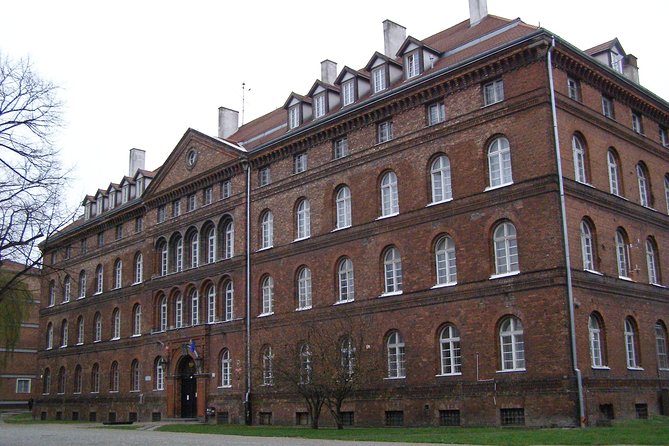
This tour works because it doesn’t treat history like a checklist. You start at the museum area and move outward, so the story builds step-by-step instead of jumping around town. The museum is the anchor, and the walking stops give you the “why it matters here” layer.
You also get the practical benefit of not getting lost. Even if you know Gdansk well, WWII sites can feel emotionally dense and logistically scattered. A guide keeps things orderly: where to stand, what to notice, and how different locations connect.
And yes, it’s somber. That’s not a drawback for the right traveler, but it is a consideration if you want a lighter day. This is about Poland in WWII, plus what came next.
More Westerplatte and Museum of the Second World War tours from Gdansk




Price and Value: What You’re Paying For
At $153.49 per person, this isn’t a bargain-basement city tour. It does cost more than a group bus option, but you’re paying for three concrete things that usually drive up the price:
- Private, licensed guiding (one group, your guide’s full attention)
- Timed skip-the-line admission to a major museum
- Additional guided walking stops tied to WWII and postwar communism and Solidarity
If you’re traveling as two or more people, the private format often feels like better value because you’re not splitting a guide across a large crowd. If you’re solo, the price is still reasonable for what you get, especially because the museum tickets are included and you don’t have to manage the time yourself.
One small planning note: this experience is commonly booked around 65 days in advance, so don’t wait until the last week if you’re set on a specific time slot.
Time Options in Plain English: 2 Hours vs Extended Walks
The tour runs roughly 2 to 4 hours, and the exact plan depends on the option you select. Here’s the simple way to think about it:
- Short option (about 2 hours): Museum focus, with skip-the-line admission and less walking afterward.
- Extended options (about 3.5 to 4 hours): You add a guided walk through memorial and church sites connected to WWII resistance and postwar communism, plus the European Solidarity Centre and key Solidarity-era locations.
If you’re tight on time or want the museum to be the main event, the shorter plan is the cleanest choice. If you want the city’s postwar story to connect to the war story, the extended version is where the tour earns its “full picture” feel.
In the longer option, expect a moderate walking pace with some uneven surfaces or steps. The guide adapts the pace to your group, but you’ll still be on your feet.
Getting Oriented at Plac Władysława Bartoszewskiego
The meet-up is at plac Władysława Bartoszewskiego 1, right in the museum area, meeting the guide in front of the Museum of the Second World War. The tour returns to the same meeting point at the end, which is a small but real convenience.
This first stop matters because it sets the frame. WWII history in Gdansk can feel like separate chapters—Jewish community, occupation, resistance, postwar politics, and then Solidarity. A good guide helps you recognize those threads early, so the museum doesn’t feel like an overload of facts.
There’s also a practical benefit: the meeting point is near public transportation, so if you skip pickup, you still won’t feel stranded.
Museum of the Second World War: Skip the Line, Keep Your Momentum
The heart of the tour is the Museum of the Second World War visit, about 2 hours with your licensed private guide. The admission is included, and the ticket is skip-the-line for the ticket office. Still, you should arrive on time because the ticket is tied to a pre-booked date and time. The skip happens at the ticket office, not at the museum entrance.
What you’re going to get here is structured WWII storytelling with exhibits designed to support different kinds of visitors: artifacts, documents, photographs, and interactive displays. The emphasis is specifically on the impact of WWII while focusing on Poland’s tragic and heroic experiences, not just the war in general.
A smart tip: since the skip-the-line is tied to a time slot, don’t treat this like a casual “we’ll stroll over” museum. Plan to be there a bit early so the day starts smoothly.
Also note the admission includes the permanent exhibition. That’s good news if you want the core story without needing to figure out which ticket option covers what.
A few more Gdansk tours and Pomerania day trips worth a look
- From Gdansk: Malbork Castle Trip with Ticket and Audio Guide
★ 3.9 · 5 reviews - Artus Court and Gdansk Old Town Private Tour with Tickets
★ 4.7 · 3 reviews - Gdansk: Oliwa Zoo with Tickets and Roundtrip Transportation
★ 5.0 · 3 reviews
Defenders of the Polish Post Office and the Church of St. James
Once you leave the museum, the tour shifts from exhibits to streets and monuments. This part runs about 50 minutes and is built around major WWII and postwar themes.
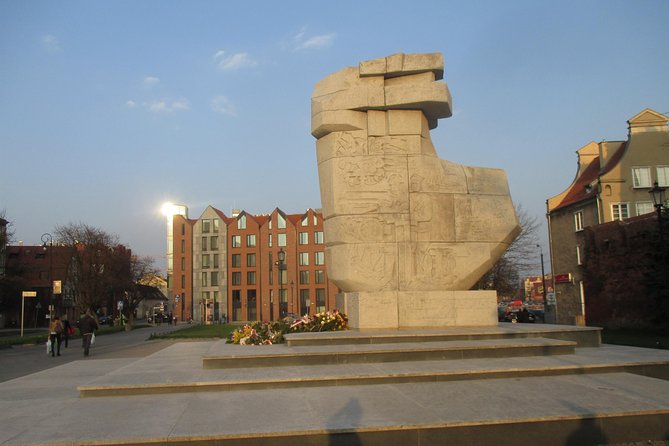
You’ll visit the memorial area tied to the Defenders of the Polish Post Office, which honors those involved in one of the first battles of WWII. It’s a powerful stop because it turns history into a named, place-based event rather than something you only read about.
From there, you’ll head to the Church of St. James and then the Monument to the Fallen Shipyard Workers. The guide connects these locations to resistance against Nazi occupation and then to the later struggle under communism. That linkage is the key value here: you see how “the war ends” didn’t mean “the struggle ends” for Poland.
One drawback to be aware of in this segment: it’s history-heavy on a walking format. If you want time to sit and absorb without moving, you may prefer the shorter museum-only option.
European Solidarity Centre, BHP Hall, and the August Agreements
The final major guided stop is the European Solidarity Centre, about 1 hour. This is where the story moves from occupation and resistance into independence and political change.
You’ll also pass through the historic BHP Hall, where the August Agreements were signed. That’s not just a date to memorize. It’s a turning point tied to how Solidarity momentum translated into real political pressure and outcomes.
You’ll see the Obrońca mural, which serves as a tribute to those who defended Poland. The tour also includes a preserved WWII air raid shelter, which is an effective “war era reality check” inside the postwar independence context.
The tour ends at the Imperial Shipyard area, where you can sense how wartime industry and later political identity stayed linked. Even if you don’t know much about shipyard politics before, the guide helps you place it in the bigger picture.
Why a Licensed Private Guide Changes Everything
In a museum, it’s easy to lose time. You pause at one display, miss another you needed, and end up with a mixed-up timeline. A private, licensed guide helps you avoid that.
You get:
- Clear explanations in English
- The ability to ask questions as they come up
- A pace that matches your group
This matters especially for a topic like WWII in Gdansk, where details about different communities and periods can tangle together fast. Having undivided attention means your questions don’t get cut off, and you can follow the story line you care about most.
The guide performance is also a standout. In the feedback tied to this tour, Małgorzata earned strong praise for being educated, punctual, and professional, with answers delivered in a way that’s easy to follow.
Pickup and Getting There: Old Town Only in the Extended Version
Pickup is available, but with limits that you should take seriously so you don’t show up planning on something that isn’t offered.
- Pickup is only from accommodations in Gdansk Old Town
- Pickup is possible only in the extended version
- The pickup area is limited to about 1.5 km of the designated meeting point
- If you stay farther out, you’ll likely need to use public transit or get yourself to the meeting point
If you’re choosing the short museum-only option, plan to meet at the museum area without relying on pickup.
Practical Tips That Make This Tour Feel Easier
This is an easy day to mess up if you ignore small logistics. Here are the things that help most:
- Wear comfortable shoes, especially for the longer options with some uneven ground or steps.
- Arrive on time for your museum entry slot. Skip-the-line is for the ticket office, not the entrance.
- Dress for weather. The walking portion runs rain or shine.
- Bring curiosity, but also emotional readiness. This is history with real weight.
If you have specific requests, the operator’s customer support can help when contacted in advance.
Who This Tour Suits Best
This is a strong fit if you:
- Want a private guide rather than a group scramble
- Care about how WWII connects to postwar communism and later independence
- Prefer learning through a mix of museum exhibits and real-world stops
It’s also a good choice if you’re the type who reads the basics and then wants answers: what happened here, who was involved, and how Gdansk’s identity formed after the war.
If your ideal day is mostly light sightseeing and casual wandering, you may find this heavier than you want. In that case, choose the shorter museum-focused option or consider balancing it with something more relaxed afterward.
Should You Book This Private WWII and Solidarity Tour?
I’d book it if you want a structured, guided route through Gdansk’s WWII and postwar story—especially if private attention matters to you. The value is strongest when you take the included museum tickets seriously (timed entry, skip-the-line at the ticket office) and when you want more than museum walls, including memorial sites and the Solidarity context at the European Solidarity Centre.
I’d think twice before booking only if you’re avoiding walking, have limited mobility, or want minimal emotional intensity. The longer version includes moderate walking with uneven surfaces, so plan for that.
Overall: this is one of the more focused ways to understand WWII in Gdansk without losing time, mixing up locations, or having your questions go unanswered.
FAQ
How long is the Museum of the Second World War Gdansk Private Tour?
The tour is about 2 to 4 hours, depending on the option you choose.
Where do I meet the guide?
You meet at Plac Władysława Bartoszewskiego 1, 80-862 Gdańsk, in front of the Museum of the Second World War. The tour ends back at the meeting point.
Is skip-the-line admission included for the museum?
Yes. You get skip-the-line tickets for the Museum of the Second World War, valid for your pre-booked date and time.
Does skip-the-line apply to the museum entrance?
Not exactly. The skip is for the ticket office line, but you should still arrive on time because you will skip the ticket office line, not necessarily the entrance line.
What is included besides the museum?
Depending on your selected option, you may also visit WWII and postwar sites including memorials and churches, plus the European Solidarity Centre and related locations.
Do you offer hotel pickup?
Pickup is available only in the extended version, and only from accommodations in Gdansk Old Town, within about 1.5 km of the meeting point.
What language is the tour offered in?
The tour is offered in English.
Is the tour private?
Yes, it’s a private tour/activity with only your group participating.
Is the longer walking route difficult?
The 4-hour option is described as a moderate walking tour with some uneven surfaces or steps. The guide adapts the pace, but you should wear comfortable shoes.
Can the tour accommodate disabilities?
They state they are happy to accommodate individuals with disabilities whenever possible. You should let them know in advance.
Is there free cancellation?
Yes. You can cancel up to 24 hours in advance for a full refund, based on local time.
More Tickets in Gdansk
- From Gdansk: Malbork Castle Trip with Ticket and Audio Guide★ 3.9 · 5 reviews
- Artus Court and Gdansk Old Town Private Tour with Tickets★ 4.7 · 3 reviews
- Gdansk: Oliwa Zoo with Tickets and Roundtrip Transportation★ 5.0 · 3 reviews
More Tour Reviews in Gdansk
- Gdańsk City Sights & History Guided Walking Tour in English★ 4.8 · 876 reviews
- Gdansk: Firearm Shooting Experience with Instructor★ 4.8 · 866 reviews
- Gdansk: Guided Round-Trip Cruise to Westerplatte★ 4.3 · 865 reviews
- Gdańsk: Sightseeing EcoCruise around the Old Town of Gdansk★ 4.6 · 719 reviews
- Main Town Gdańsk Walking Tour★ 5.0 · 644 reviews
More Westerplatte & WWII Museum Tours
- Gdansk: Guided Round-Trip Cruise to Westerplatte★ 4.3 · 865 reviews
- Malbork Castle and Westerplatte Tour with Lunch★ 5.0 · 27 reviews
- Gdansk Private WWII Tour with Museum of the Second World War★ 4.9 · 22 reviews
- Gdansk: Malbork Castle & Westerplatte Tour with Local Lunch★ 5.0 · 12 reviews
- Private WW2 Tour of Westerplatte,Gdansk and Stutthof Including Lunch★ 5.0 · 12 reviews
Still deciding? Here are more Gdansk tours and Pomerania day trips we have written up




Westerplatte & Museum of WWII Tours, compared.
 ★ 4.3Guided Round-Trip Cruise to WesterplatteFrom $33865 reviews
 ★ 5.0Malbork Castle and Westerplatte Tour with LunchFrom $28927 reviews
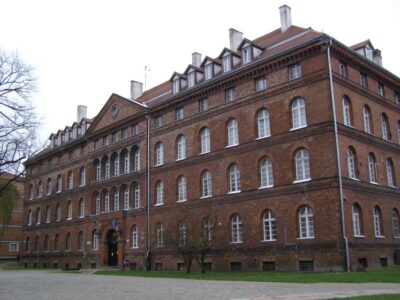 ★ 4.9Gdansk Private WWII Tour with Museum of the Second World WarFrom $15322 reviews
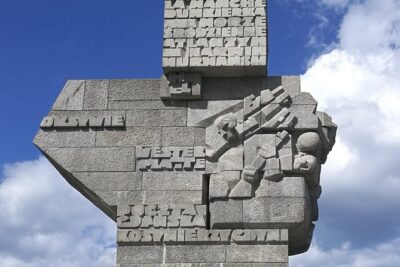 ★ 5.0Private WW2 Tour of Westerplatte,Gdansk and Stutthof Including LunchFrom $25512 reviews
 ★ 5.0Malbork Castle & Westerplatte Tour with Local LunchFrom $34912 reviews
 ★ 5.0World War II TourFrom $19510 reviews
 ★ 4.5Museum of World War II – True Story of a Living HellFrom $2176 reviews
 ★ 4.5Gdansk Word War Two Themed Private TourFrom $1445 reviews
Browse the lists this tour appears in