
Reviewed · WESTERPLATTE & MUSEUM OF WWII TOURS
Gdansk Private WWII Tour with Museum of the Second World War
Gdańsk turns WWII into real street memory. This private tour pairs skip-the-line Museum access with a licensed guide who connects events from 1939 to the people who lived through them. You’ll get stories you can actually picture, not dates recited like a quiz.
What I really like is the private, licensed guiding (hello, Krzysztof, Małgorzata, Magdalena, Luca, Elvira) and the way the tour is built so you can ask questions at your pace. The one thing to watch: the skip-the-line helps at the ticket office, but you still need to arrive on time, and with a 2-hour option you won’t see every corner of the museum.
Meeting your guide is straightforward at the Museum of the Second World War area, and pickup is possible from hotels within 1.5 km of Gdańsk Old Town. If you book the 4-hour version, plan for a moderate walk with some uneven surfaces and steps—comfortable shoes win that one.
In This Review
- Key highlights that make this tour worth your time
- Gdańsk’s WWII Museum Visit, Guided in Plain English
- Skip-the-Line Tickets: Fast Access, Real Rules
- Choosing 2 Hours or 4 Hours in Gdańsk
- The 2-hour option: Museum-first
- The 4-hour option: WWII plus post-war Communism
- Museum Highlights: 1939 to Occupation and Resistance
- Post-War Communist Landmarks and the August Agreements
- A Private Guide Makes It Click (and Helps You Ask Better Questions)
- Meeting Point, Pickup, and Timing That Keeps You on Track
- Price ($153) and Value: What You Get for Your Time
- Who Should Book This Private Tour
- Should You Book This Tour?
- FAQ
- Where is the meeting point?
- How long is the tour?
- Does the skip-the-line ticket include the entrance to the museum?
- What does the 2-hour option include?
- What extra stops are included in the 4-hour option?
- What languages are available for the guide?
- Is hotel pickup included?
- Is the tour wheelchair accessible?
- Can I cancel or pay later?
Key highlights that make this tour worth your time
- Skip-the-line Museum entry (with timing rules): you bypass the ticket office line for a pre-booked slot.
- Licensed guide, flexible Q&A: you can steer the conversation, especially on the Polish side of WWII.
- 2-hour or 4-hour pacing: museum-only focus or museum + major WWII-to-communism landmarks.
- Poland-centered WWII storyline: invasion, occupied Poland, resistance movements, and aftermath.
- Hands-on museum experience: reconstructed war-torn streets, original uniforms and weapons, interactive displays.
- Post-war sites that connect the dots (4-hour option): Polish Post Office memorial, Solidarity sites, and the BHP Hall.
Gdańsk’s WWII Museum Visit, Guided in Plain English
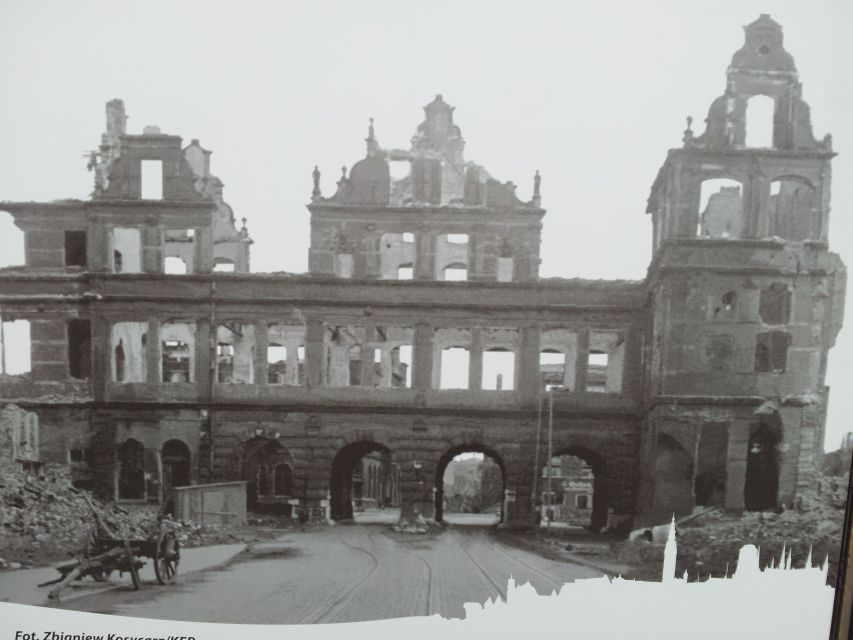
If you want WWII history in Gdańsk that feels grounded, this is a strong way to do it. The Museum of the Second World War is the anchor here, and the tour gives you a guide who can translate the big political story into what it meant on the ground in Poland.
I like that the museum visit isn’t treated like a drop-off. Instead, your guide points you toward the museum’s most important sections, starting with the outbreak of war in 1939 and moving through the devastation of occupied Poland, resistance movements, and what came after. It’s history with cause-and-effect, not a one-topic slideshow.
The private format matters. You’re not stuck waiting for a group to catch up, and you can ask follow-up questions when something hits you. One reason guides get named in the feedback here is simple: good guides make the museum feel usable, not overwhelming.
For many people, the museum alone can feel like too much to process. This tour helps you get bearings fast—especially if you’re trying to understand why Gdańsk’s role mattered early on and why Poland’s struggle didn’t end when the war ended.
More Westerplatte and Museum of the Second World War tours from Gdansk



Skip-the-Line Tickets: Fast Access, Real Rules
Here’s the practical truth about “skip-the-line.” Your tour includes skip-the-line tickets for the Museum of the Second World War, and that means you skip the ticket office queue. But the museum timing still matters: these tickets are valid for a pre-booked date and time, and admission is for the permanent exhibition.
So if your schedule is messy, this part can punish you. Arrive on time because you’re still expected to go in when your slot begins. The tour notes also say you skip the ticket office line, not necessarily every kind of line on site.
What does that buy you in real life? Less standing around while your brain is already bracing for difficult content. That matters more than it sounds. The museum is large, and even with a guided route, you’re not meant to see every display in one sitting—especially in the 2-hour option. With a guide, you’ll usually prioritize the sections that make the whole story click.
If you’re the type who likes to wander at your own pace after the tour, you can still do that later. Just go in knowing the guided time is meant to help you understand, not to check off every exhibit.
Choosing 2 Hours or 4 Hours in Gdańsk
This tour comes in two main lengths, and the difference is the real decision you’ll make.
The 2-hour option: Museum-first
In the shorter version, you focus on the Museum of the Second World War with a licensed private guide. You’ll walk through the museum’s most compelling sections, learn how the story unfolds from 1939 onward, and connect it back to Poland’s experience—especially how resistance movements formed under occupation.
This option is best when:
- you want the museum to be the main event
- you’re pressed for time
- you prefer sitting with difficult material before you start walking outside
The 4-hour option: WWII plus post-war Communism
The longer tour builds on the museum with a walking route through key war memorials and major communist-era sites. After the museum, you’ll visit places tied to early WWII resistance and the later struggle that continued well after the war.
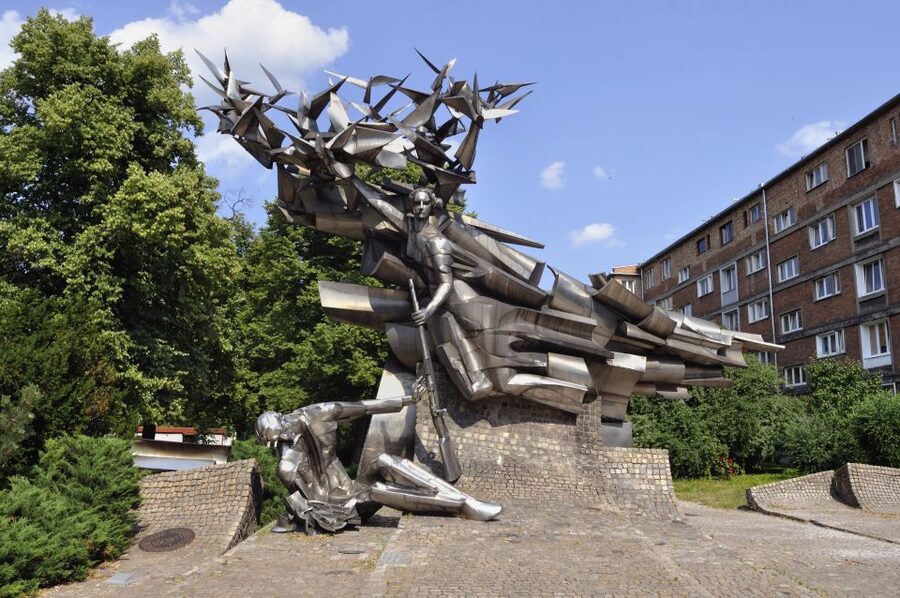
You’ll see the Defenders of the Polish Post Office memorial, then move to the Church of St. James and the Monument to the Fallen Shipyard Workers—stops that connect occupation resistance with later political conflict. The route also includes the European Solidarity Centre and the historic BHP Hall, where the famous August Agreements were signed. You’ll also encounter the Obrońca mural, visit a preserved WWII air raid shelter, and end at the Imperial Shipyard, where wartime industry’s footprint still lingers.
This option is ideal when you want the timeline to stop being a blur. It helps you understand how wartime events shaped the post-war political landscape in Gdańsk.
More private Gdansk tours and drivers for the day
- Gdańsk: Old Town Private Walking Tour with Legends and Facts
★ 4.9 · 245 reviews - Gdansk: Shared or Private City Tour Sightseeing By Golf Cart
★ 4.8 · 233 reviews - Gdansk: Private Top City Tour by Electric Cart & Live Guided
★ 4.9 · 114 reviews - Private Airport Transfer Gdansk (GDN) to City Center Gdansk
★ 5.0 · 83 reviews
Museum Highlights: 1939 to Occupation and Resistance
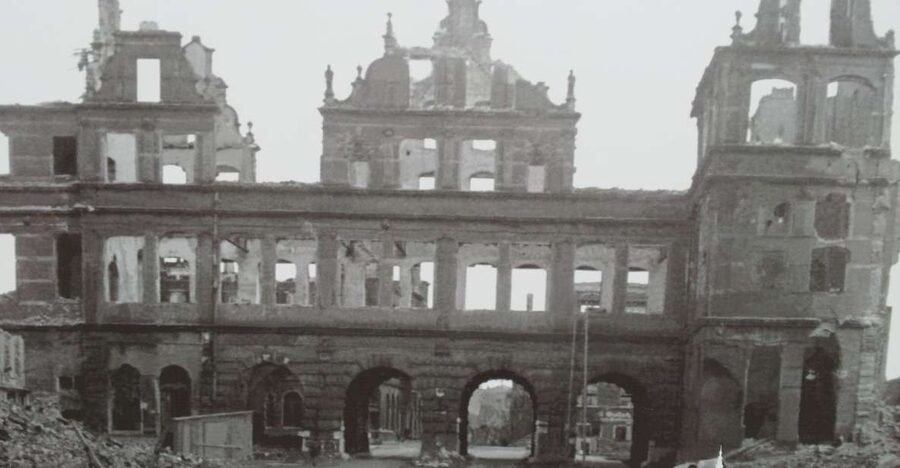
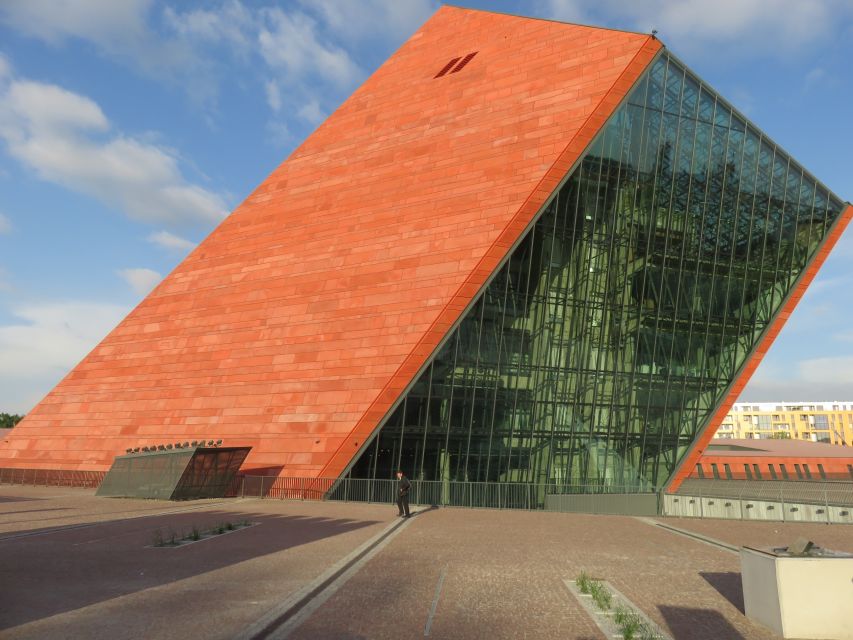
Inside the Museum of the Second World War, your guide takes you through the most meaningful story arcs. Expect the museum to cover the outbreak of war in 1939, the devastation of occupied Poland, resistance movements, and the aftermath.
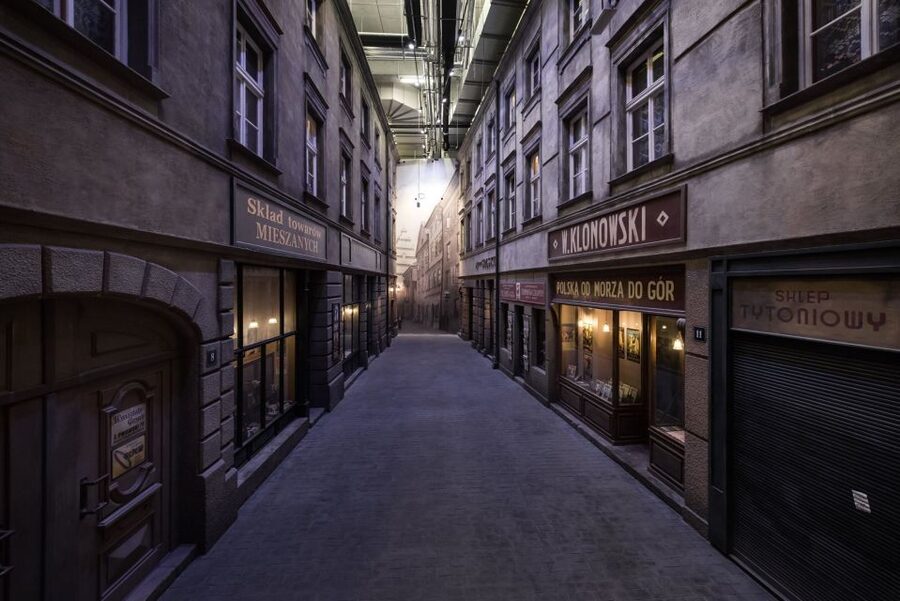
What makes this museum visit especially effective on a guided private tour is the way the content is presented. The tour info points to state-of-the-art exhibits, plus interactive displays and a huge collection of artifacts, documents, and photographs. You’ll also see reconstructions of war-torn streets, which is one of those experiences that makes the history feel disturbingly close.
You’ll also get to see original weapons and uniforms, which gives the story a grounded physical reality. It’s one thing to read about conflict. It’s another to stand near objects that were part of that world.
The museum also includes firsthand accounts. That’s where a good guide earns their paycheck. They’ll help you interpret what you’re seeing and connect the personal stories to the larger historical forces.
One helpful heads-up: the museum is big. Even with a guide, a 2-hour visit means you’ll focus on the main sections, not everything. If you want to slow down and take in more details, the 4-hour route gives you room for the outside landmarks afterward, so you still get a fuller sense of how the city carried the story beyond museum walls.
Post-War Communist Landmarks and the August Agreements
The 4-hour option is the one that turns this from a WWII tour into a “how Poland changed afterward” tour.
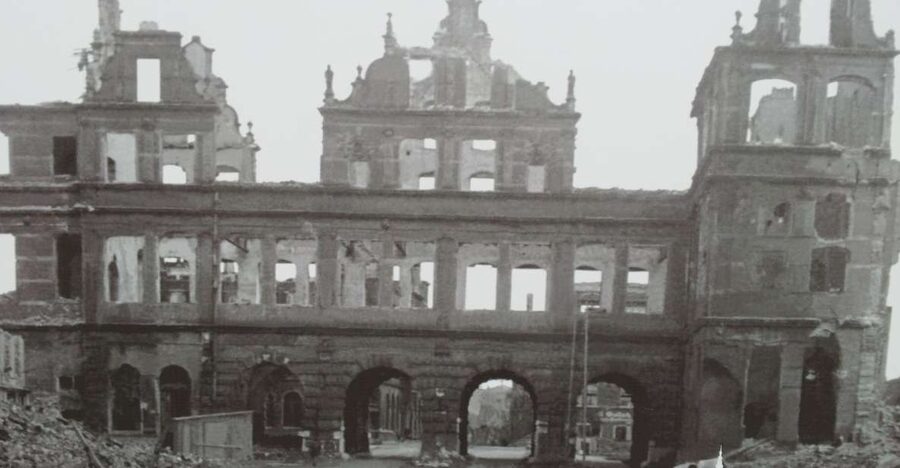
You start with the Defenders of the Polish Post Office memorial. That’s an early WWII reference point, tied to the first battles of the invasion. It’s a stop that sets the tone: resistance wasn’t an abstract idea; it happened in specific places and with specific people.
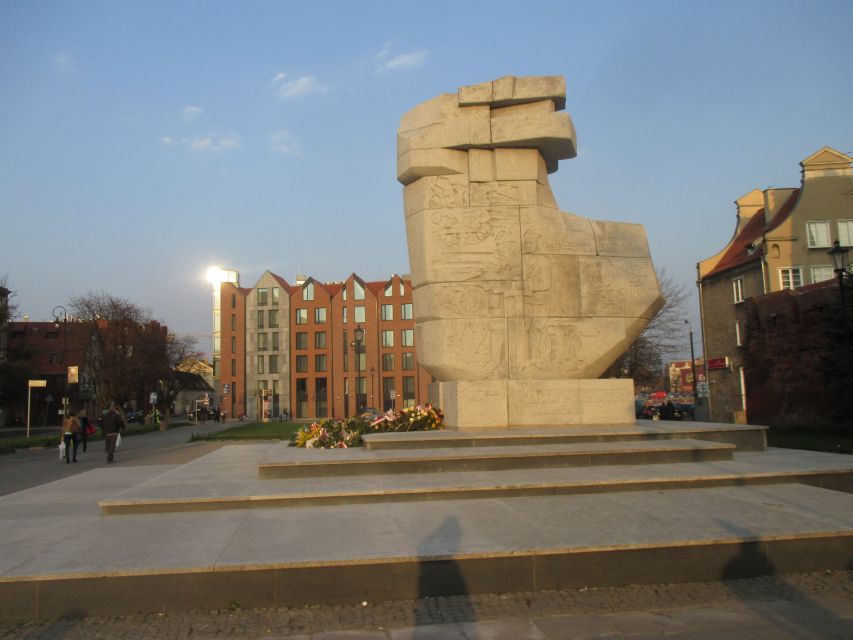
Next comes the Church of St. James and the Monument to the Fallen Shipyard Workers. These locations help explain resistance against Nazi occupation and the later fight that continued against communist control. This is where you’ll start seeing how the city’s identity was shaped by conflict across different political eras.
Then you move into the Solidarity story with a stop at the European Solidarity Centre. After that, you’ll visit the BHP Hall, where the August Agreements were signed. That matters because it links activism and negotiation to the road toward independence.
Along the way, you’ll also see the Obrońca mural, a tribute tied to those who defended Poland, and you’ll visit a preserved WWII air raid shelter. Ending at the Imperial Shipyard brings things back to the industrial heart of Gdańsk—where work, power, and war all rubbed shoulders.
This route is walking, and the tour notes flag uneven surfaces or steps in the 4-hour version. Your guide will adapt pace to your group, but still treat comfortable shoes as non-negotiable.
A Private Guide Makes It Click (and Helps You Ask Better Questions)
In a private tour, the biggest advantage isn’t just access. It’s interpretation. Your guide helps you sort what matters, when it matters, and why it connects to what you’re seeing.
The guides named in the feedback—Krzysztof, Małgorzata, Magdalena, Margaret, Luca, Elvira—are described as enthusiastic and strong on Polish and local history, with humor showing up now and then. That’s useful because WWII material isn’t light, and a guide who can keep the tone human helps you stay with the story longer.
You’ll also get language coverage. The tour lists English, German, Russian, Polish, Spanish, French, Italian, Norwegian, and Swedish, so you should be able to match your comfort level. One practical caution: quality can vary with translation and guide assignment. If language is your top concern, it’s smart to confirm details by email the day before the tour, since the operator sends important updates.
A private format is also where you can go off-script (a bit). If you care most about resistance movements, focus your questions there. If you’re more interested in the post-war communist sites, spend extra time asking your guide how those later conflicts connect to the earlier invasion.
Meeting Point, Pickup, and Timing That Keeps You on Track
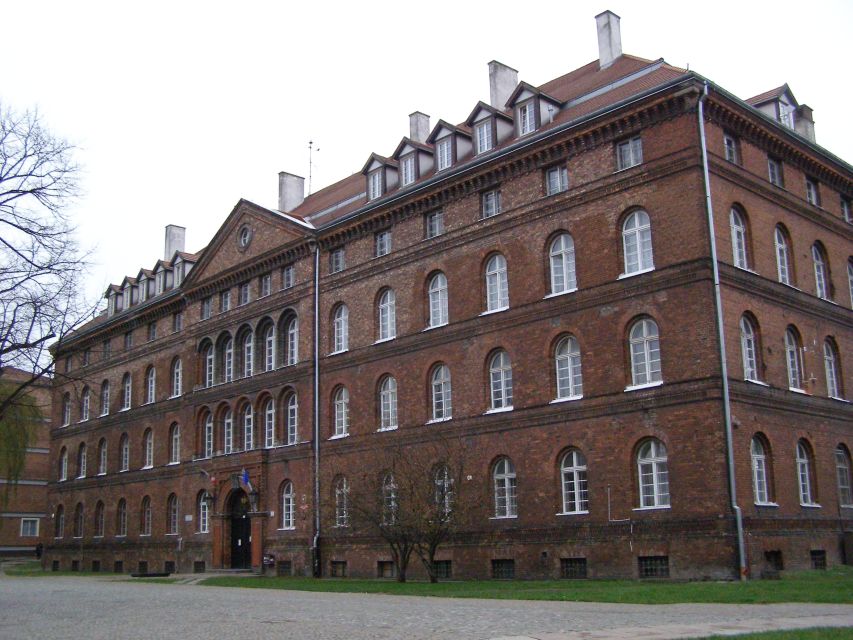
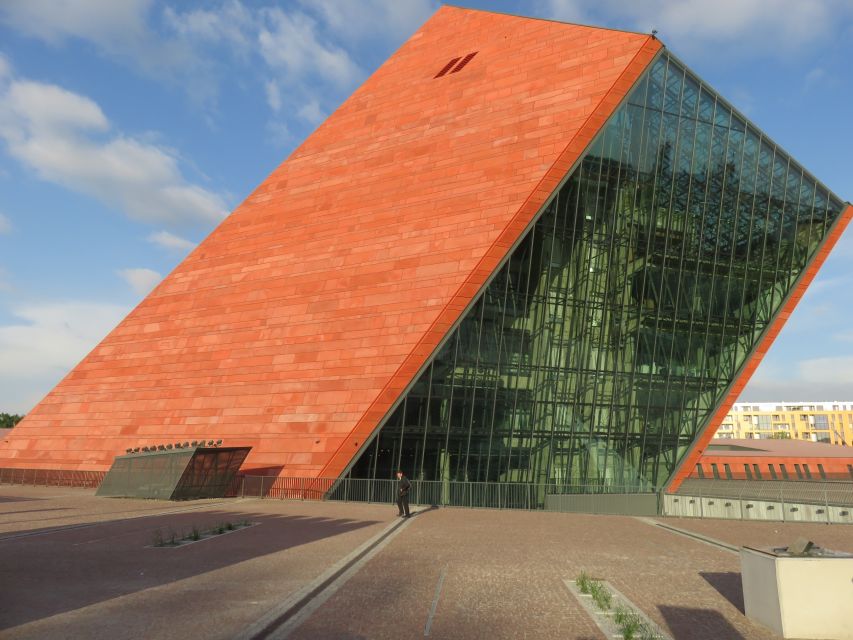
The meeting point is at Pomnik Rotmistrza Witolda Pileckiego, right in front of the Museum of the Second World War, plac Władysława Bartoszewskiego 1, 80-862 Gdańsk.
If you’re staying near Old Town, hotel pickup is available within 1.5 km of that meeting point. If your hotel is outside that range, you’ll meet the guide at the designated spot.
Two timing tips that matter here:
1) The skip-the-line tickets are valid for a specific pre-booked date and time.
2) The operator tells you to check your email the day before for important information.
Also, the tour is rain or shine. Plan clothing for the weather, even if you’re mostly indoors at the museum. For the 4-hour option, remember you’ll be walking between several memorials and landmarks.
Group size is private, so you avoid the “everyone moves at a different speed” chaos. That’s a big deal when the content is heavy and you want to process it, not rush past it.
Price ($153) and Value: What You Get for Your Time
At $153 per person, you’re paying for three things: a licensed guide, skip-the-line museum access tied to a set time, and—if you pick the 4-hour option—a structured city walk connecting WWII to post-war communist history.
Is it good value? For me, it makes sense if you fit at least one of these:
- you want the museum guided, not just walked through
- you care about the Polish-centered story of WWII (not just a generic Europe overview)
- you want the timeline extended into post-war years with specific landmarks
If all you want is to check the museum off a list, you might feel the cost. But if you want understanding, the guide turns the visit into something you can actually use later when you’re reading, watching, or traveling in Poland.
Also, the “skip-the-line” piece is not a free-for-all. You still need to be on time, and you’re still entering the permanent exhibition area. But reducing the waiting at the ticket office can save energy for the part that deserves your attention.
Finally, private guiding is often the hidden cost-saver: you spend your limited time on the sections that answer your questions, not on random wandering that doesn’t connect the story.
Who Should Book This Private Tour
This one is a great fit if:
- you want a Poland-centered WWII narrative with clear connections to resistance and aftermath
- you like asking questions and getting answers in context
- you’re short on time and want the museum visit handled efficiently
- you’re interested in how Gdańsk carried the story into the post-war communist era
It’s also a good match for visitors who don’t want to negotiate complex content alone. The museum is large and emotionally heavy. Having a guide helps you prioritize and understand without feeling lost.
If you’re extremely mobile-limited, the tour notes say it’s wheelchair accessible, but the 4-hour walk includes uneven surfaces or steps. If you choose the longer option, it’s worth mentioning your mobility needs so the guide can adjust pacing and route as much as possible.
Should You Book This Tour?
Yes, if you want WWII and Gdańsk’s post-war story to make sense as one timeline. The museum visit is the backbone, and the guide turns it into something you can carry with you.
I’d lean toward the 4-hour option if you care about more than 1939—if you want the bridge to Solidarity, the August Agreements, and the places tied to later political struggle. Pick the 2-hour option if the museum is your main goal and you prefer a tighter, less-walking schedule.
Either way, do two things: arrive on time for your pre-booked museum slot, and wear shoes that handle city sidewalks and steps. Then let your guide help you connect the dots.
FAQ
Where is the meeting point?
Meet your guide at Pomnik Rotmistrza Witolda Pileckiego in front of the Museum of the Second World War, plac Władysława Bartoszewskiego 1, 80-862 Gdańsk.
How long is the tour?
It runs for 2 hours or 4 hours, depending on the option you choose.
Does the skip-the-line ticket include the entrance to the museum?
The tickets skip the line at the ticket office, but not at the entrance. You’ll still need to arrive on time for your pre-booked date and time.
What does the 2-hour option include?
The 2-hour option focuses on the Museum of the Second World War with a licensed private guide, using skip-the-line tickets for the permanent exhibition.
What extra stops are included in the 4-hour option?
The 4-hour option includes the museum plus an extended walking route featuring WWII and post-war communist history sites such as the Defenders of the Polish Post Office memorial, Church of St. James, Monument to the Fallen Shipyard Workers, European Solidarity Centre, BHP Hall (August Agreements), the Obrońca mural, a preserved WWII air raid shelter, and the Imperial Shipyard.
What languages are available for the guide?
English, German, Russian, Polish, Spanish, French, Italian, Norwegian, and Swedish.
Is hotel pickup included?
Pickup is available within 1.5 km of the designated meeting point in Gdańsk Old Town.
Is the tour wheelchair accessible?
Yes, the tour is listed as wheelchair accessible. The 4-hour option includes some uneven surfaces or steps.
Can I cancel or pay later?
Yes. You can cancel up to 24 hours in advance for a full refund, and there is a reserve now & pay later option.
More Private Pomerania Day Tours
- Gdańsk: Old Town Private Walking Tour with Legends and Facts★ 4.9 · 245 reviews
- Gdansk: Shared or Private City Tour Sightseeing By Golf Cart★ 4.8 · 233 reviews
- Gdansk: Private Top City Tour by Electric Cart & Live Guided★ 4.9 · 114 reviews
- Private Airport Transfer Gdansk (GDN) to City Center Gdansk★ 5.0 · 83 reviews
- Gdańsk Old Town Private Walking Tour with Legends and Facts★ 5.0 · 65 reviews
More Tour Reviews in Gdansk
- Gdańsk City Sights & History Guided Walking Tour in English★ 4.8 · 876 reviews
- Gdansk: Firearm Shooting Experience with Instructor★ 4.8 · 866 reviews
- Gdansk: Guided Round-Trip Cruise to Westerplatte★ 4.3 · 865 reviews
- Gdańsk: Sightseeing EcoCruise around the Old Town of Gdansk★ 4.6 · 719 reviews
- Main Town Gdańsk Walking Tour★ 5.0 · 644 reviews
More Westerplatte & WWII Museum Tours
- Gdansk: Guided Round-Trip Cruise to Westerplatte★ 4.3 · 865 reviews
- Malbork Castle and Westerplatte Tour with Lunch★ 5.0 · 27 reviews
- Museum of the Second World War Gdansk Private Tour & Tickets★ 5.0 · 24 reviews
- Gdansk: Malbork Castle & Westerplatte Tour with Local Lunch★ 5.0 · 12 reviews
- Private WW2 Tour of Westerplatte,Gdansk and Stutthof Including Lunch★ 5.0 · 12 reviews
Still deciding? Here are more Gdansk tours and Pomerania day trips we have written up



Westerplatte & Museum of WWII Tours, compared.
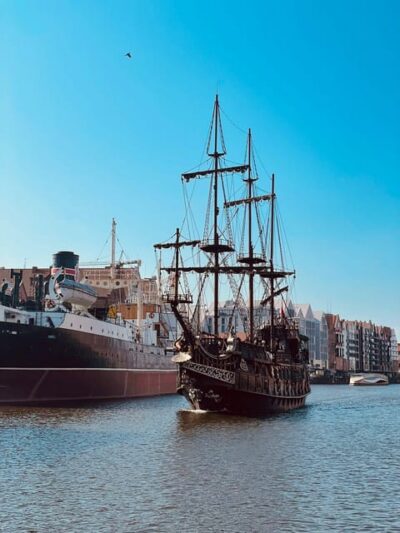 ★ 4.3Guided Round-Trip Cruise to WesterplatteFrom $33865 reviews
 ★ 5.0Malbork Castle and Westerplatte Tour with LunchFrom $28927 reviews
 ★ 5.0Museum of the Second World War Gdansk Private Tour & TicketsFrom $15324 reviews
 ★ 5.0Private WW2 Tour of Westerplatte,Gdansk and Stutthof Including LunchFrom $25512 reviews
 ★ 5.0Malbork Castle & Westerplatte Tour with Local LunchFrom $34912 reviews
 ★ 5.0World War II TourFrom $19510 reviews
 ★ 4.5Museum of World War II – True Story of a Living HellFrom $2176 reviews
 ★ 4.5Gdansk Word War Two Themed Private TourFrom $1445 reviews
Browse the lists this tour appears in