
Reviewed · WESTERPLATTE & MUSEUM OF WWII TOURS
Gdańsk: World War II Tour
WWII begins where you least expect. This Gdańsk tour turns Second World War turning points into a tight walking-and-driving route, with Westerplatte as the anchor. I love how it connects the opening violence of the war with what happened later to Poland and the city itself, and I also love the convenience of pickup plus an in-person guide in English or Polish. One caution: it’s not suitable for mobility impairments, and you’ll want weather-ready clothes, because you’ll spend real time outdoors.
Gdańsk didn’t see major military action at the very start, but 1945 brought a heartbreaking finale. In this tour, you follow that arc through the eyes of Poles, with stops tied to major moments like the Free City of Gdańsk and the Red Army’s attack. Guides such as Bożena, Roxana, and Sebastian Malyszczyk are often noted for clarity, local pride, and the way they adapt the pace to the group.
It’s also a smart length: 210 minutes gives you enough time to feel the places, not just skim them. If you’re trying to get your head around why this port city mattered, this is one of the more focused ways to do it without eating up your whole day.
In This Review
- Key things I’d plan around
- Why Gdańsk is the start line of WWII (and the end of something too)
- Westerplatte (about 1 hour): the opening act you can still walk through
- Museum of the Polish Post (about 30 minutes): a short stop with big meaning
- Main City segment (about 1 hour): from the Free City of Gdańsk to the last chapters
- Price and what $195 really buys for 3.5 hours
- Private group, real pacing, and guides who bring local pride
- Weather and comfort: what to wear for a WWII walking route
- Who this tour fits best (and who should consider alternatives)
- Should you book the Gdańsk WWII tour?
- FAQ
- Where do you get picked up for the tour?
- How long is the Gdańsk WWII tour?
- What stops are included during the tour?
- What languages is the live guide available in?
- Is this a private group tour?
- What’s included in the price besides the guide?
- Can I cancel for a full refund if my plans change?
- Is the tour suitable for mobility impairments?
Key things I’d plan around
- Westerplatte first: a full hour on the defensive ground where the conflict ignited
- Polish Post Museum stop: a shorter visit that still adds crucial context to the story
- Free City to Red Army: your guide ties key political shifts to what you see on the ground
- Private group format: pickup in Gdańsk and a guide working at your pace
- Weather matters: you’ll be outside enough that comfort affects how much you enjoy it
Why Gdańsk is the start line of WWII (and the end of something too)
If you think of World War II as a single battlefield, Gdańsk helps you see it as a chain reaction. This is the city where the war’s biggest conflict began, then later spread across Europe. Yet the start wasn’t immediate devastation inside the city, which makes the later story hit harder.
What I like about the approach here is the emphasis on how Poles experienced these events. That perspective matters because the same timeline can feel very different depending on who’s living it. You’ll hear how political status and international tensions set the stage, then how the fighting eventually wrapped around Poland with devastating consequences in 1945.
And because the tour is built around major physical locations, you’re not learning it like a lecture. You’re walking through the “why” of history as it shows up in the geography of a working port city.
More Westerplatte and Museum of the Second World War tours from Gdansk



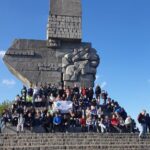
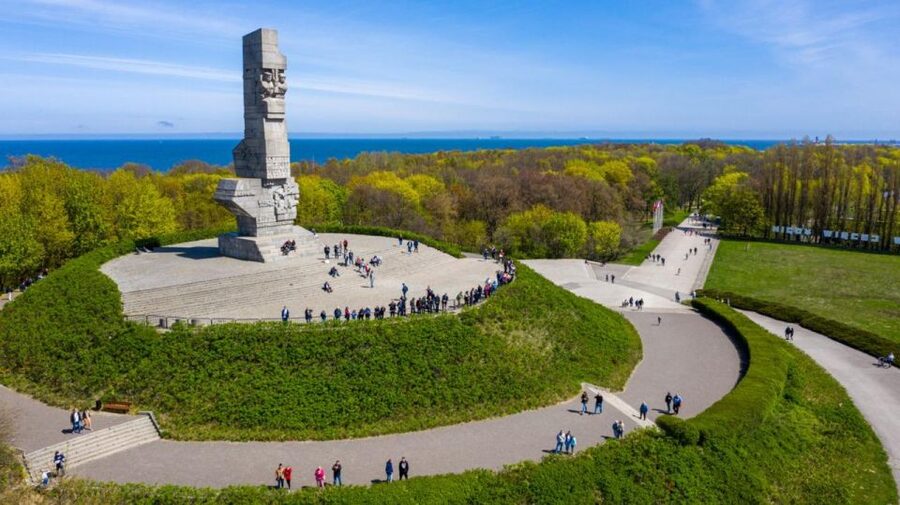
Westerplatte (about 1 hour): the opening act you can still walk through
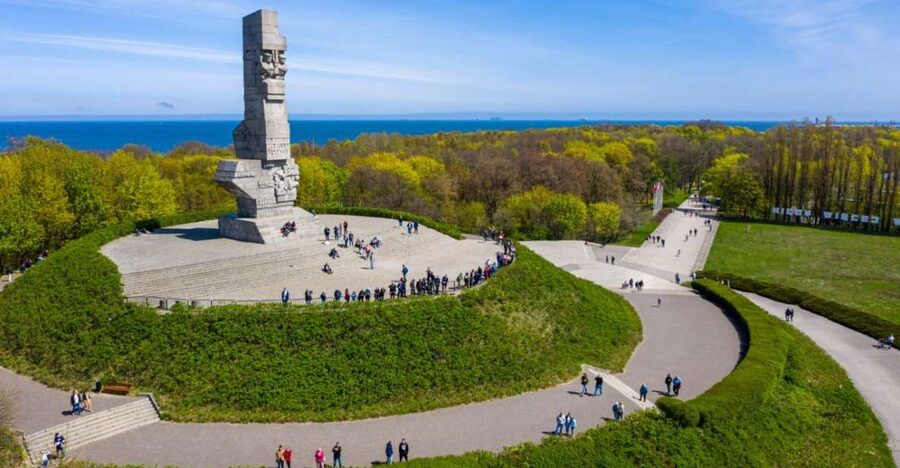
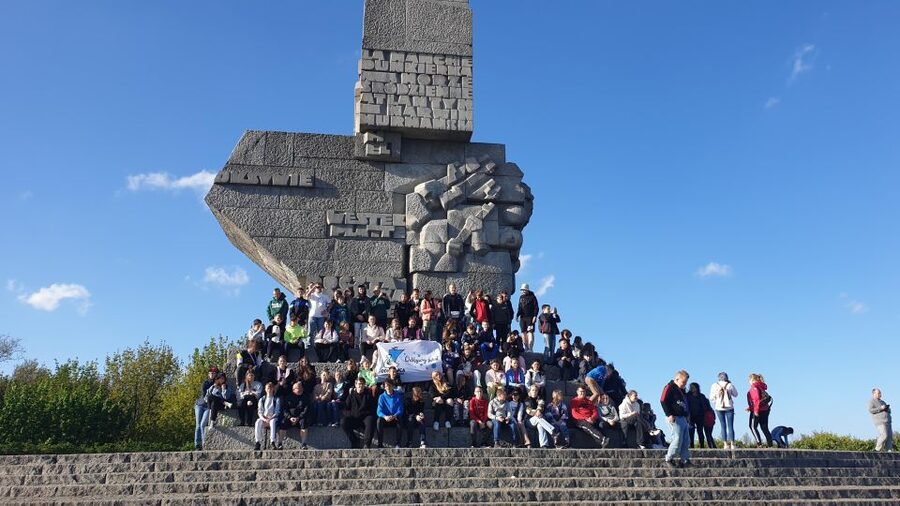
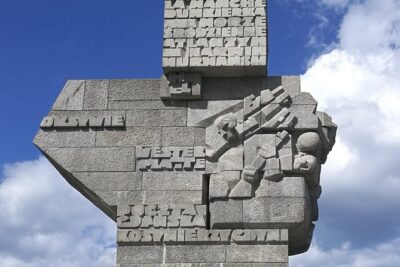
Westerplatte is the first stop for a reason. You get a guided visit there for about an hour, which is a good block of time for a site that can otherwise feel like just another monument.
Standing on this ground, the story becomes more concrete. Your guide will connect what you’re seeing to the beginning of the war—so instead of memorizing dates, you understand how the conflict started and why this particular area mattered. It’s also a place where you can notice how the site is meant to be read: positions, movement, and the logic of defense.
Practical note: plan to wear shoes you’re comfortable walking in and bring a layer if the weather turns. Even with a guide doing the heavy lifting in explaining, your comfort affects how much you’ll retain.
Museum of the Polish Post (about 30 minutes): a short stop with big meaning
Right after Westerplatte, you’ll head to the Museum of the Polish Post for a guided visit around 30 minutes. This stop can be easy to underestimate because it’s shorter than the first location. But that’s exactly why it works in a 3.5-hour tour: it adds a different slice of the wartime story without dragging.
The Polish Post is important because it helps explain how war isn’t just tanks and gunfire. It’s also about communication, control, and who gets to speak first—or survive long enough to speak at all. Your guide will frame the museum visit so it clicks with the larger arc you started at Westerplatte.
If you like history that connects everyday institutions to major events, this is one of the smartest ways to spend half an hour.
Main City segment (about 1 hour): from the Free City of Gdańsk to the last chapters
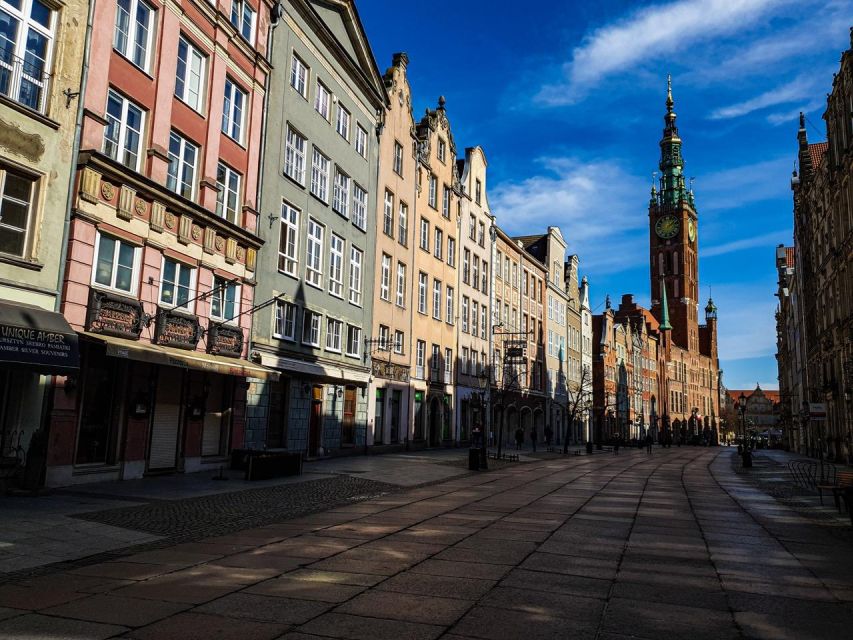
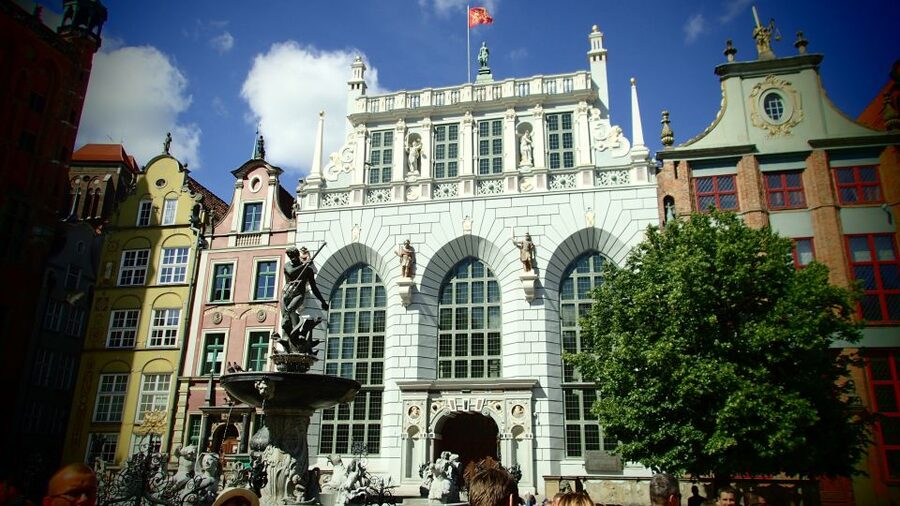
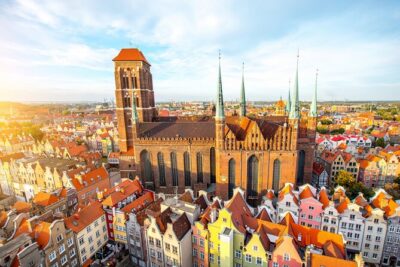
The main city portion gives you the connective tissue. Expect another guided hour that ties together what you’ve learned earlier with what you see around Gdańsk’s historical center.
This is where the tour’s timeline becomes more than a list. You’re hearing about the Free City of Gdańsk and how tensions and political change set up the war’s spread. Then the guide brings the story forward to the attack of the Red Army and the way the conflict culminated for the region.
The description also points to a broader sweep that goes from Westerplatte toward Gradowa Mountain. You may not feel every stop equally, but the point is pacing: you start with the ignition point, add a key institutional lens, then end with an overview you can map onto the city itself.
How to make this hour work for you: stay mentally active. When your guide mentions a place by name, try to match it to what’s around you—square, street layout, or the general feel of the historic center. You’ll walk away with a mental map, not just notes in your phone.
Price and what $195 really buys for 3.5 hours
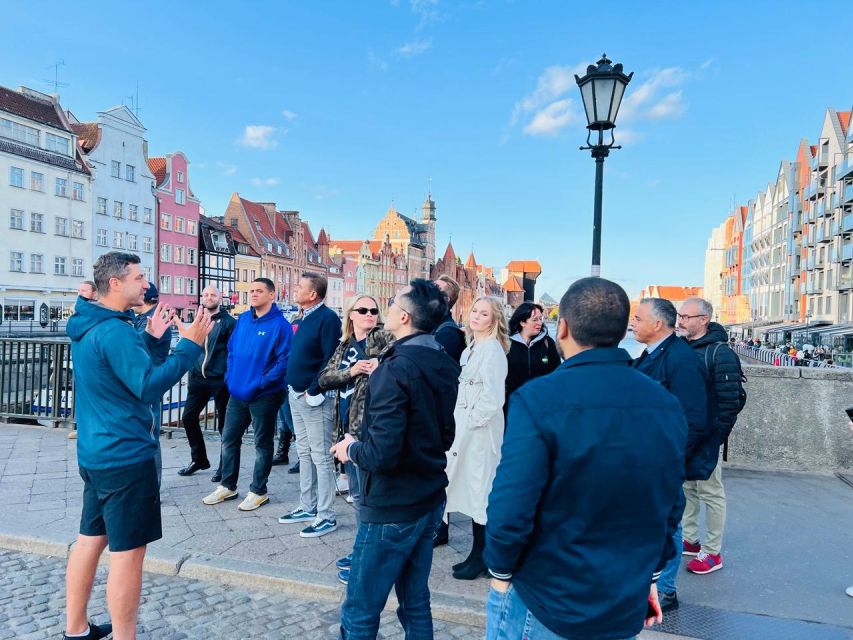
At $195 per person for about 210 minutes, this isn’t a cheap add-on. It also isn’t priced like a “do-it-yourself and good luck” experience.
Here’s what you’re paying for in practical terms:
- Door-to-door pickup and drop-off in Gdańsk (at your accommodation or a central location)
- Transportation in a car or minivan so you’re not piecing together segments on public transit while time tightens
- A live tour guide with languages available in English and Polish
- Water provided, which sounds small but matters on an outdoor historical walk
For me, the value comes down to focus. A WWII story is big. A lot of tours try to cover too much and end up rushing everything. This one keeps a manageable route and a guided structure that makes the timeline easier to follow—especially if this is your first serious WWII deepening in Gdańsk.
If you want a deep, guided experience without turning your day into nonstop transport planning, this price starts to make sense.
- Gdańsk City Sights & History Guided Walking Tour in English
★ 4.8 · 876 reviews - Gdansk: Firearm Shooting Experience with Instructor
★ 4.8 · 866 reviews - Gdansk: Guided Round-Trip Cruise to Westerplatte
★ 4.3 · 865 reviews - Gdańsk: Sightseeing EcoCruise around the Old Town of Gdansk
★ 4.6 · 719 reviews
Private group, real pacing, and guides who bring local pride
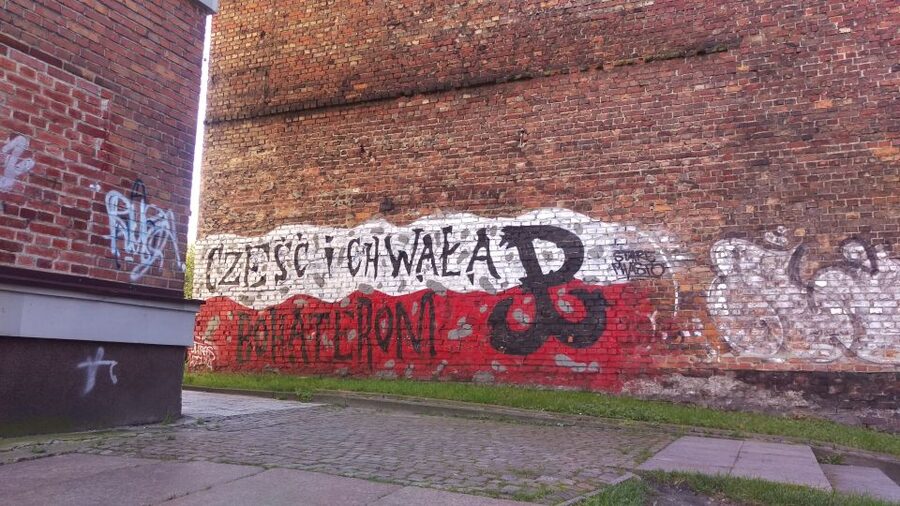
This is a private group tour, which changes the feel fast. Instead of fighting for attention in a larger crowd, your guide can shape the pace to your questions and comfort level.
The practical benefit of pickup plus a vehicle is huge too. Gdańsk can be a lot on foot, and you want your walking time to be meaningful. Here, the transport handles the transitions, so you can spend energy on the historical sites rather than on logistics.
From the guides named in past experiences, the common thread is that they don’t just recite facts. Bożena, Roxana, and Sebastian Malyszczyk are repeatedly associated with professional, friendly delivery and a love for Gdańsk that shows up in how they explain the city’s role. Even if you don’t know the names ahead of time, it’s a good sign that the guiding style tends to be both structured and human.
Weather and comfort: what to wear for a WWII walking route
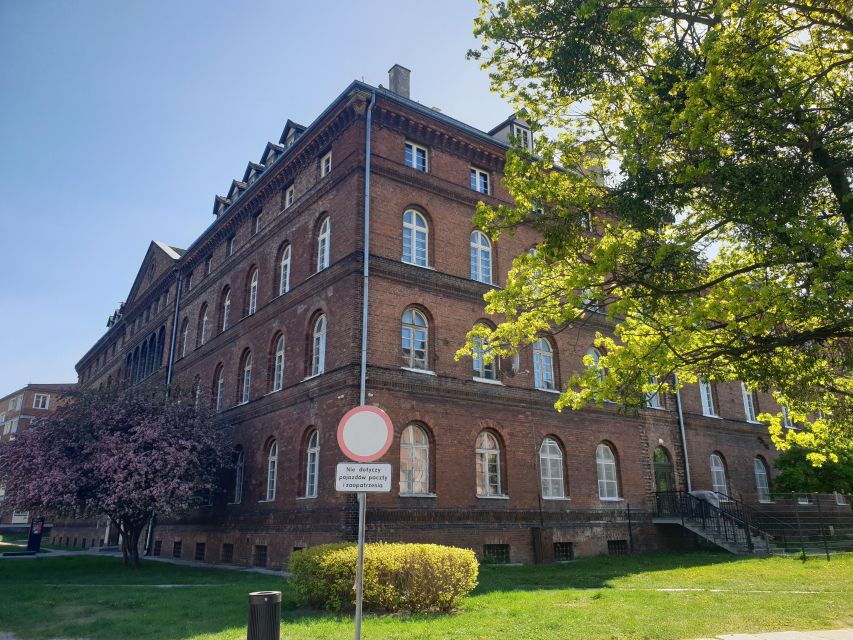
The tour recommends clothes appropriate for bad weather. Take that seriously. Even when the main walking segments aren’t huge, WWII sites often mean uneven ground, open spaces, and time spent outside listening.
My simple checklist:
- A warm layer you can manage easily
- Closed-toe shoes with grip
- A small rain layer if the forecast looks uncertain
If you’re uncomfortable, you’ll miss details. History isn’t just what you hear—it’s also how well you can stay present.
Who this tour fits best (and who should consider alternatives)
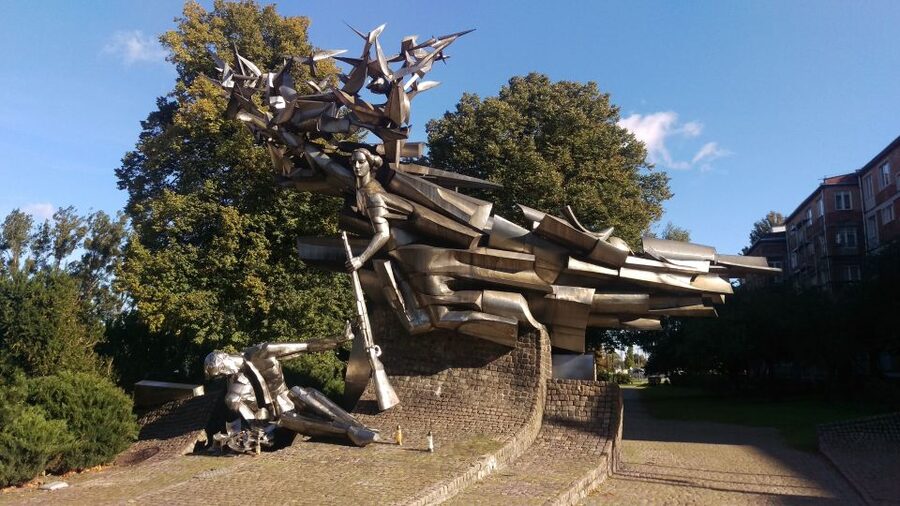
I’d put this tour in the “best if you care about context” bucket. If you want to understand why Gdańsk mattered at the start of the war, and why the ending was so tragic for the region, this route is built for that.
You’ll likely enjoy it if:
- You like guided interpretation, not just photo stops
- You want a coherent WWII storyline tied to physical locations
- You prefer fewer stops with better explanations
One important limit: it’s not suitable for people with mobility impairments. If that’s your situation, I’d look for a different format that offers better accessibility for the exact walking surfaces and timing.
Should you book the Gdańsk WWII tour?
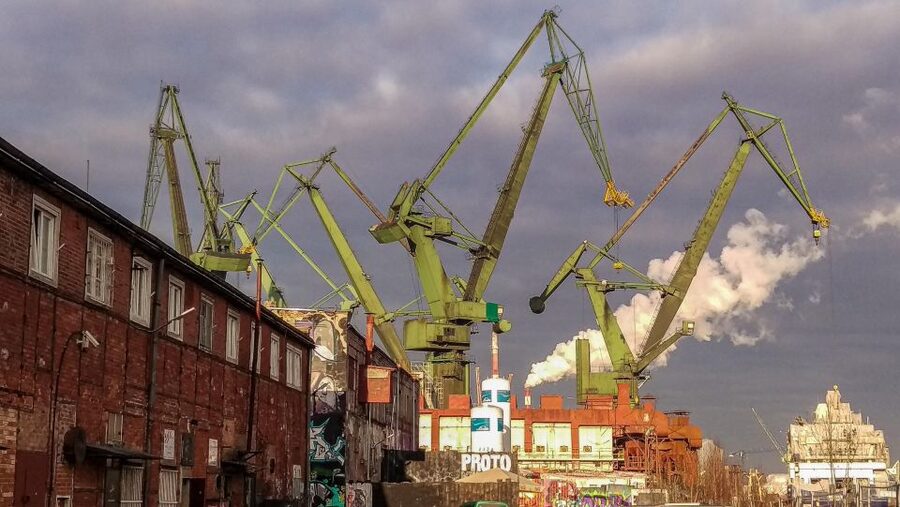
If your goal is a well-paced, guided introduction to Gdańsk’s role in World War II, I think this is a solid choice. The route focuses on the moments that matter—Westerplatte, the Museum of the Polish Post, and the city context that connects the Free City period to later events. For $195, the value is strongest when you want pickup, real guidance, and a route that helps you build a clear timeline without exhausting logistics.
Book it if you like understanding the “why” behind each place, and you can handle a weather-friendly walking day. Skip it if mobility access is a concern, since the tour isn’t designed for that.
FAQ
Where do you get picked up for the tour?
Pickup is included in Gdańsk, either at your accommodation or at a central location.
How long is the Gdańsk WWII tour?
The duration is 210 minutes.
What stops are included during the tour?
You’ll visit Westerplatte (guided, 1 hour), the Museum of the Polish Post (guided, 30 minutes), and the main city (guided, 1 hour).
What languages is the live guide available in?
The live tour guide is available in English and Polish.
Is this a private group tour?
Yes, it’s listed as a private group.
What’s included in the price besides the guide?
In addition to the tour guide, you get transportation in a car or minivan, pickup and drop-off in Gdańsk, and water.
Can I cancel for a full refund if my plans change?
Yes. You can cancel up to 24 hours in advance for a full refund.
Is the tour suitable for mobility impairments?
No. It is not suitable for people with mobility impairments.
More Tour Reviews in Gdansk
- Gdańsk City Sights & History Guided Walking Tour in English★ 4.8 · 876 reviews
- Gdansk: Firearm Shooting Experience with Instructor★ 4.8 · 866 reviews
- Gdansk: Guided Round-Trip Cruise to Westerplatte★ 4.3 · 865 reviews
- Gdańsk: Sightseeing EcoCruise around the Old Town of Gdansk★ 4.6 · 719 reviews
- Main Town Gdańsk Walking Tour★ 5.0 · 644 reviews
More Westerplatte & WWII Museum Tours
- Gdansk: Guided Round-Trip Cruise to Westerplatte★ 4.3 · 865 reviews
- Malbork Castle and Westerplatte Tour with Lunch★ 5.0 · 27 reviews
- Museum of the Second World War Gdansk Private Tour & Tickets★ 5.0 · 24 reviews
- Gdansk Private WWII Tour with Museum of the Second World War★ 4.9 · 22 reviews
- Gdansk: Malbork Castle & Westerplatte Tour with Local Lunch★ 5.0 · 12 reviews
Still deciding? Here are more Gdansk tours and Pomerania day trips we have written up


Westerplatte & Museum of WWII Tours, compared.
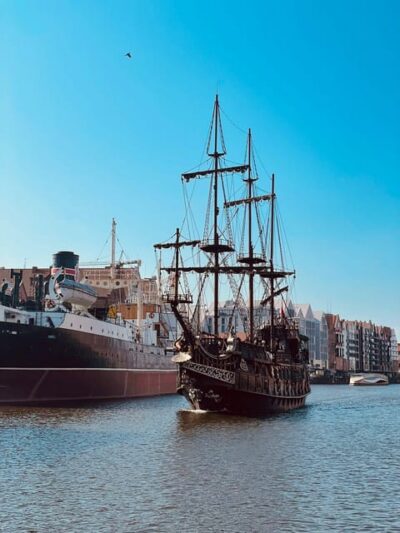 ★ 4.3Guided Round-Trip Cruise to WesterplatteFrom $33865 reviews
 ★ 5.0Malbork Castle and Westerplatte Tour with LunchFrom $28927 reviews
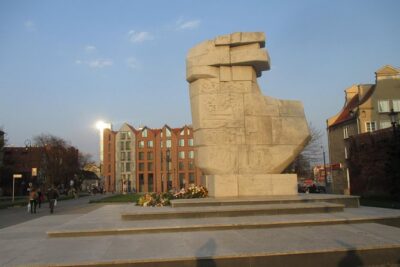 ★ 5.0Museum of the Second World War Gdansk Private Tour & TicketsFrom $15324 reviews
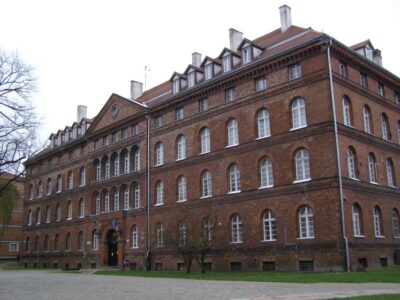 ★ 4.9Gdansk Private WWII Tour with Museum of the Second World WarFrom $15322 reviews
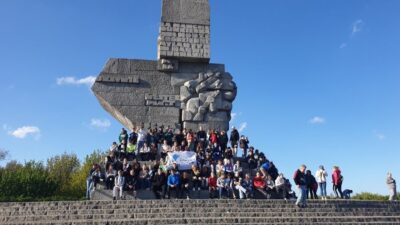 ★ 5.0Malbork Castle & Westerplatte Tour with Local LunchFrom $34912 reviews
 ★ 5.0Private WW2 Tour of Westerplatte,Gdansk and Stutthof Including LunchFrom $25512 reviews
 ★ 4.5Museum of World War II – True Story of a Living HellFrom $2176 reviews
 ★ 4.5Gdansk Word War Two Themed Private TourFrom $1445 reviews
Browse the lists this tour appears in