
Reviewed · GDANSK OLD TOWN & MAIN TOWN WALKING TOURS
Gdańsk City Sights & History Guided Walking Tour in English
Gdańsk history walks right beside you. In 150 minutes you’ll hit the city’s signature sights, and I especially love how the walk pairs St. Mary’s Basilica with the bigger story of why Gdańsk mattered, not just how it looks. I also like the calm, classic stops on Long Market—especially the Neptune fountain—after seeing how the war erased so much and locals rebuilt it carefully.
One thing to plan for: this is an active streets-and-squares walk rain or shine, so bring weather-proof layers and expect to stay outside for much of the time.
If you catch the right rhythm with your guide, the whole thing clicks. You’ll hear how WWII began in the city, then how the Solidarity movement fed into the fall of communism in the Eastern bloc. And if your guide leans into humor and questions (some names you may run into are Sandra, Tufi, Philip, Marcin, and Katie), the tour can feel less like a lecture and more like walking with a friendly expert who’s genuinely proud of Gdańsk.
In This Review
- Key Stops That Make This Tour Worth Your Time
- First Stop: Złota Brama and Getting Oriented in Old Gdańsk
- Long Market and Neptune Fountain: The Merchant Town Center That Still Feels Alive
- Rebuilt Townhouses After the War: Seeing What Came Back, and What Didn’t
- St. Mary’s Basilica: Brick Gothic Power and the Noon Clock Moment
- Zuraw Treadwheel Crane in the Harbor: A Port Symbol You Can Actually Understand
- Rivers, Canals, and the Walk That Connects Everything
- WWII Start in Gdańsk and the Solidarity Story: Why the Timeline Hits Hard
- Cost and Value: Is $26 for 150 Minutes a Good Deal?
- Who This Walking Tour Fits Best (and Who Might Want a Different Plan)
- If You Book It: Simple Tips to Make Your Day Smoother
- Should You Book This Gdańsk History and City Sights Walking Tour?
Key Stops That Make This Tour Worth Your Time
- Golden Gate meeting point at Złota Brama so you start in the old-town core fast
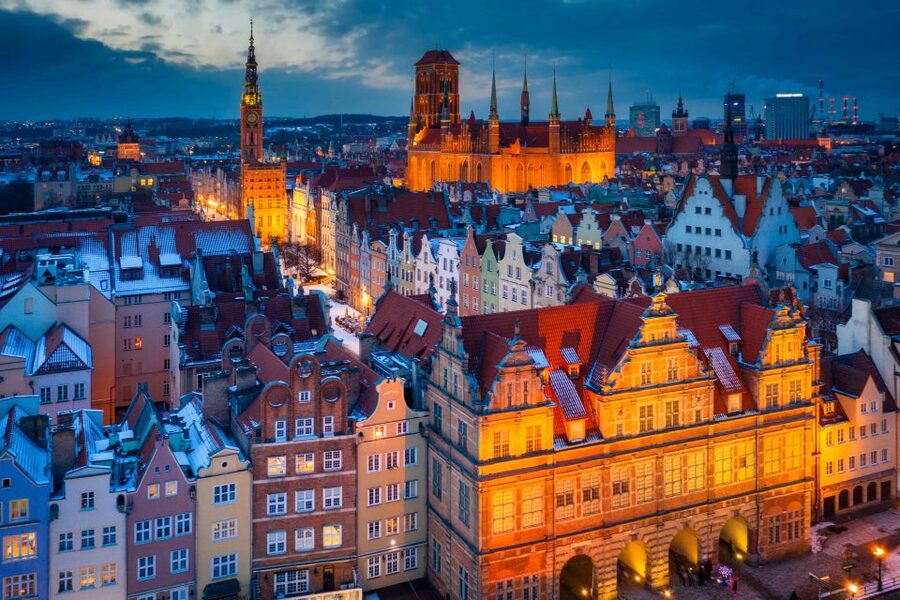
- Long Market plus Neptune fountain for that instantly recognizable Gdańsk postcard view
- St. Mary’s Basilica brick Gothic interior and timing that can line up with the noon clock striking
- Zuraw treadwheel crane in the harbor as a working-city symbol, not just a photo stop
- WWII origins and Solidarity independence stories told as you move through the places they unfolded
- Route logic you can reuse since you’ll walk a path tied to how kings once moved through the city
First Stop: Złota Brama and Getting Oriented in Old Gdańsk
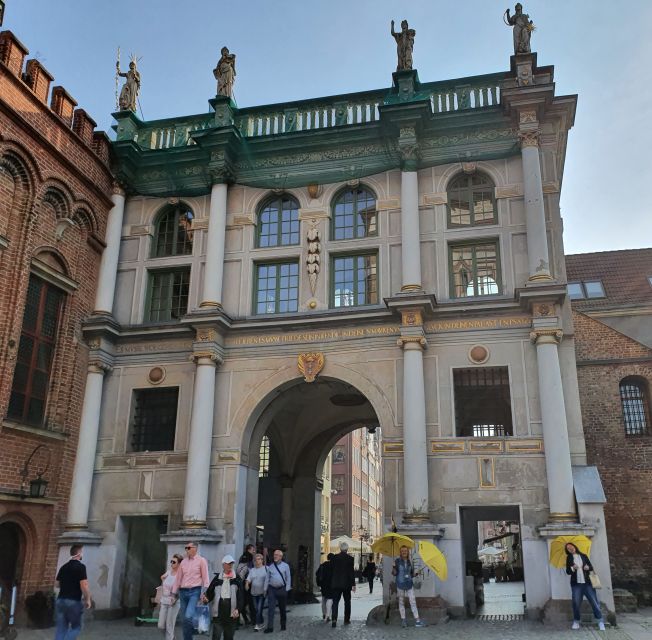
I like tours that help you get your bearings fast, and this one starts where it should: the Golden Gate, Złota Brama, marked by a yellow umbrella. Within minutes, you’re inside the story you’ll keep hearing all afternoon—how Gdańsk’s location on the Baltic shaped its trade, politics, and identity.
Your guide sets the tone right away by explaining the city’s layered influences. You’ll hear about Polish, Dutch, and German influence, which matters because Gdańsk didn’t evolve in a tidy, single-culture way. It’s more like overlapping eras of administration, commerce, and building styles.
This also helps with pacing. When you understand why you’re walking where you’re walking, it’s easier to follow the timeline—especially when your guide jumps from medieval wealth and port life to the trauma of war and the later push for independence.
More walks through the Main Town and the Long Market in Gdansk




Long Market and Neptune Fountain: The Merchant Town Center That Still Feels Alive
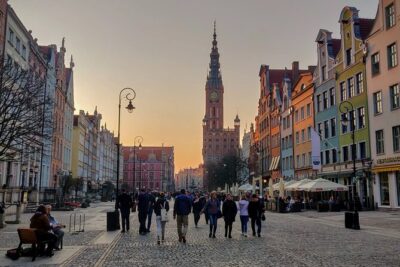
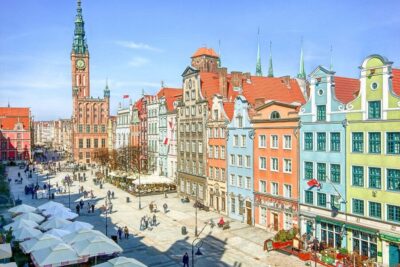
Long Market is the kind of place where you can see the city’s confidence in stone. You’ll stroll through the merchant-town area and connect the architecture to the message your guide keeps returning to: Gdańsk became wealthy through trade on the Baltic Sea.
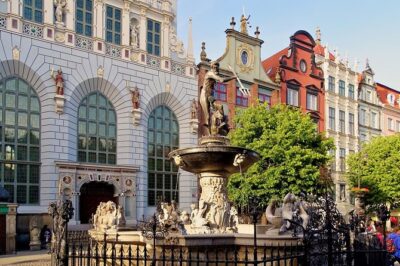
The stop at the Neptune fountain is more than a photo moment. It’s a useful anchor point for understanding the city’s self-image. A fountain like this is a public statement—about art, identity, and civic pride—and it sits in a square that has been central for centuries.
One reason I think this part is valuable is that it’s easy to enjoy even if history facts aren’t always your favorite thing. You can look up at façades, notice the rhythm of the buildings, and still absorb what the guide explains about why the merchant class mattered.
If you’re the type who likes taking breaks, keep an eye out for your guide’s moments to pause. In winter, some guides take groups inside briefly to warm up, and you’ll also want a chance to regroup before the deeper sites.
Rebuilt Townhouses After the War: Seeing What Came Back, and What Didn’t
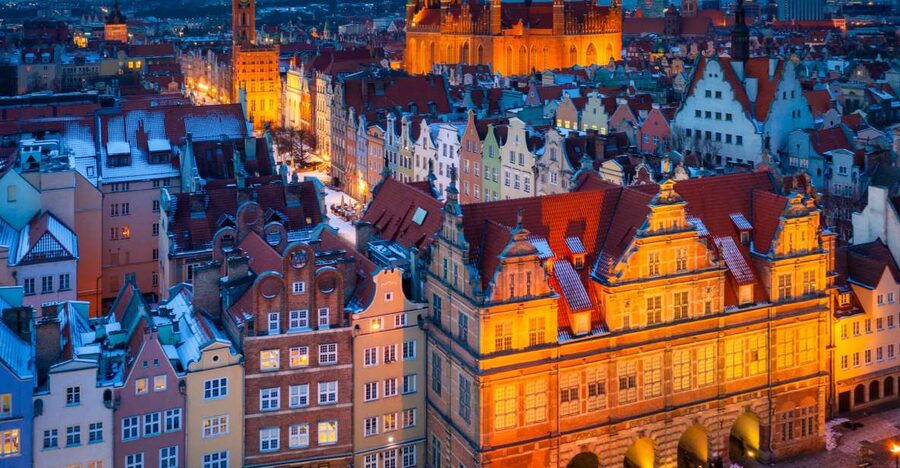
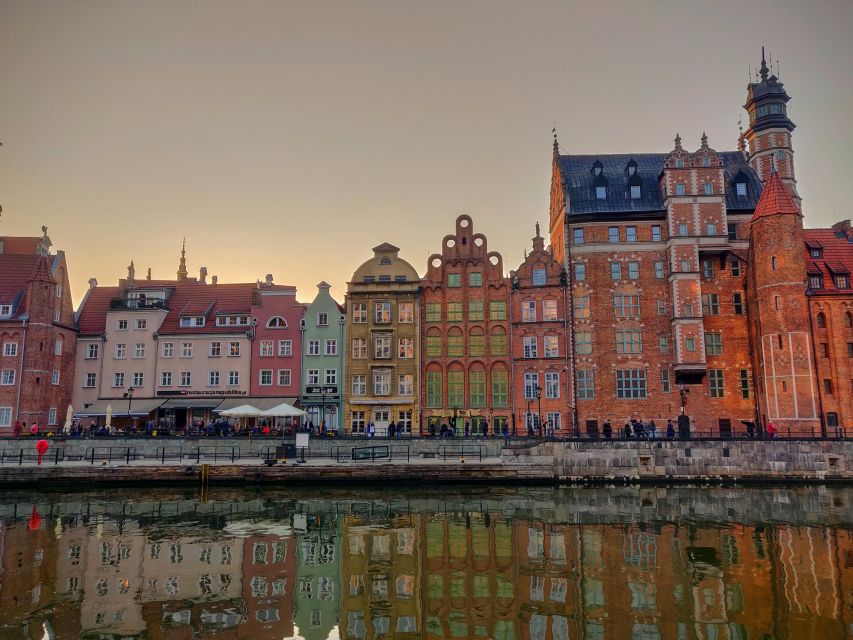
As you walk, you’ll pass through areas connected with merchant townhouses that were destroyed during WWII and then rebuilt. That detail is important, because it changes how you look at the old streets.
Instead of thinking of the architecture as frozen museum pieces, you start seeing it as a patchwork of recovery. Rebuilding wasn’t just about restoring buildings. It was about restoring a sense of place and continuity—especially for a city that had been through major political upheaval.
Gdańsk’s ability to “push forward” is a theme you’ll hear later with the Solidarity story too. But here, you’ll feel it in the streets: the city looks historic, yet it’s also stubbornly modern in the ways it chose to recover.
If you dislike heavy walking when crowds thicken, you should know that Long Market and other central points can get busy. The upside is that your guide can help you time the walk and keep the day moving.
St. Mary’s Basilica: Brick Gothic Power and the Noon Clock Moment
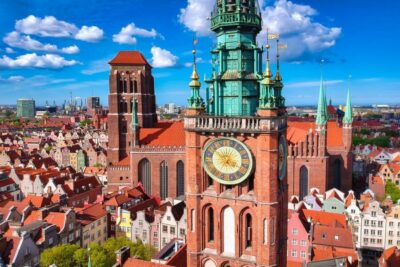
When you reach St. Mary’s Basilica, the scale is the first thing you’ll notice. This is the largest brick Gothic church in the world, and the sheer presence can reset your expectations of what a “church stop” usually feels like.
Your guide’s job here is to connect the building to Gdańsk’s larger role. It’s not just architecture. It’s a landmark that reflects the city’s wealth, ambitions, and community identity over time.
A small detail that can make the stop memorable: if your timing lines up, you may catch the clock strike around noon. That’s a moment worth planning for mentally, even if the day’s pace doesn’t always guarantee it.
Practical tip: wear comfortable shoes. Even if most of your time is standing and listening, you’ll want the flexibility to step back for photos without blocking people.
If you’re visiting in a cold month, I also like that this type of stop often gives your guide a chance to bring the group indoors at least briefly. Some guides incorporate warmth breaks such as coffee or mulled wine depending on conditions, which makes it easier to keep your energy for the harbor part of the tour.
Zuraw Treadwheel Crane in the Harbor: A Port Symbol You Can Actually Understand
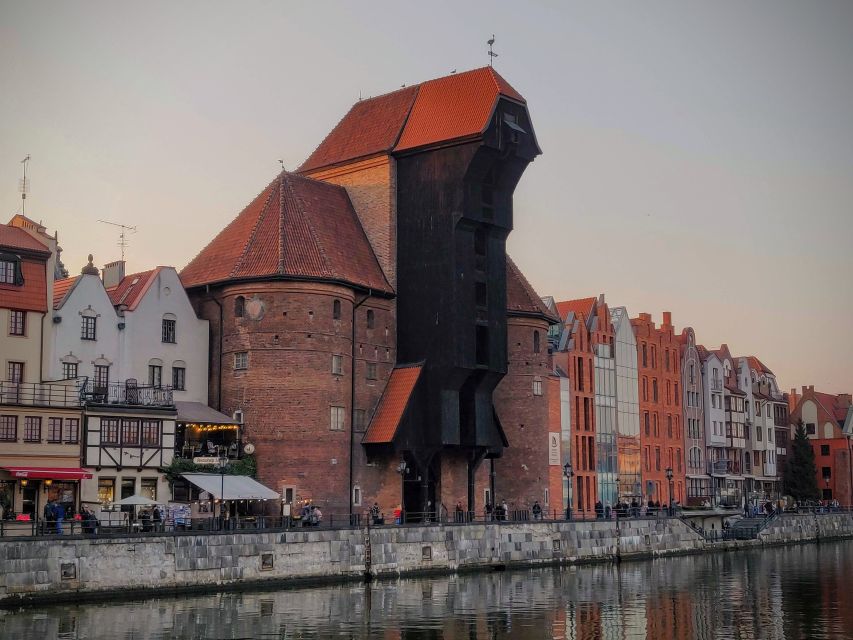
Then you move toward the harbor area and the Zuraw treadwheel crane. This isn’t a random “look at the building” stop. It’s one of the clearest symbols of how the city worked, because it connects directly to ship handling and the labor of the port.
Your guide will show you why this crane matters: it’s the largest of its kind in the world and a symbol of Gdańsk. Once you understand that it’s tied to everyday industrial effort, the structure becomes more than scenery. You start imagining the flow of goods and the human work behind the wealth you saw earlier in the merchant town center.
I like this stop because it balances the emotional weight of later WWII and independence stories. After big political events, it’s refreshing to ground the city in the mechanics of trade, craft, and shipping.
More guided Gdansk tours along the Baltic coast
- Gdansk: Guided Round-Trip Cruise to Westerplatte
★ 4.3 · 865 reviews - Gdansk: City Sightseeing Tour by Golf Cart/Buggy Guided Tour
★ 4.9 · 510 reviews - Gdansk Guided City Cruise on Historical Polish Boat
★ 4.5 · 230 reviews - Gdańsk: City Sightseeing Tour by Buggy/Golf Cart LIVE GUIDED 1H
★ 5.0 · 208 reviews
Rivers, Canals, and the Walk That Connects Everything
Between the historic squares and the harbor, you’ll see rivers and canals as you go. That physical geography isn’t just pretty scenery. It explains why the city mattered in the first place.
A city built on waterways develops a distinct relationship to movement. People trade, travel, and fight along routes that don’t care about borders. As you cross the spaces linking old town to the port, your guide’s stories feel more logical. The route itself becomes a timeline.
This is also why I think it helps to book the tour early in your visit. You’ll return to places later with better context. You’re less likely to treat Gdańsk like a list of sights and more likely to treat it like one connected place.
WWII Start in Gdańsk and the Solidarity Story: Why the Timeline Hits Hard
The tour’s headline strength is how it ties world events to street-level locations. You’ll hear about how WWII began in the city and how later movements fed into the fall of communism in the Eastern bloc through Solidarity.
What makes this portion work is that your guide doesn’t treat WWII as an abstract date. They place it into the geography you’ve already walked through—merchant areas, landmarks, and the port. Once you connect the port to conflict and trade to politics, the stories hit with more weight.
This is also where humor can matter. When your guide uses wit while talking about grim events, it doesn’t lessen the facts. It keeps the group engaged and prevents the day from feeling like one long endurance test.
One consideration: this tour is history-forward. If you’re the type who wants fewer dates and more free time, you might feel the explanations run full. In that case, ask your guide questions and don’t be shy about requesting shorter answers if you need breathing room.
Cost and Value: Is $26 for 150 Minutes a Good Deal?
For about $26 per person and 150 minutes, I think this is strong value if you want a guided overview that covers the big visual hits and the big historical spine. You’re getting a live English guide, and the route targets the core landmarks: Złota Brama, Long Market and Neptune, St. Mary’s Basilica, and the Zuraw crane.
You’re also not paying for hotel pickup and drop-off, which keeps the price more focused on the walking time itself. For most visitors staying near the old town, that’s actually a benefit—you can meet right in the center and start immediately.
Where the price gets tricky is expectation-setting. This is a shared guided walk and it’s not a museum ticket. If you want deep interior experiences everywhere, you may still need extra visits on your own. But for a first or second day introduction, it’s an efficient way to understand what you’re looking at.
Quick money-saving mindset: if you’re unsure where to start, this kind of tour can help you decide what deserves a return trip later. That can make your overall time in Gdańsk feel cheaper than the ticket price suggests.
Who This Walking Tour Fits Best (and Who Might Want a Different Plan)
I’d book this if you:
- Want an English-led way to understand Gdańsk beyond surface sightseeing
- Like architecture with context—especially brick Gothic and harbor engineering
- Plan to walk a lot anyway, since this is a steady streets-and-squares format
I’d rethink it if you:
- Prefer a mostly relaxed, slow-paced walk with lots of free time
- Get tired of lots of historical explanation in one sitting
- Have trouble standing outside in changing weather, since it runs rain or shine
It’s also a good match for first-timers. You’ll see the key sites that make the city feel like a single story, not scattered stops.
If You Book It: Simple Tips to Make Your Day Smoother
Bring weather-appropriate clothing—that’s the main instruction for a reason. Even if it’s not raining, Gdańsk can feel cold and windy along open harbor areas.
Also, plan for short stops. Your guide will likely build in moments to catch your breath, and in winter there may be opportunities to warm up with coffee or mulled drinks. If you’re traveling with a group, it helps to stay close to your guide at turns so you don’t lose the flow.
Finally, keep your eyes on the meeting point details. You meet at Złota Brama and look for the yellow umbrella. If you’re arriving from a side street, give yourself extra time so you can locate it without stress.
Should You Book This Gdańsk History and City Sights Walking Tour?
Yes—if you want a high-value introduction to Gdańsk that connects the most important sights to the events that shaped the city. The combination of Long Market charm, St. Mary’s Basilica scale, and the Zuraw crane’s harbor meaning, plus the WWII and Solidarity storytelling, makes the walk feel like more than a checklist.
Book it early in your trip if you can. Then use the context to guide your later self-guided wandering. And if you’re sensitive to very fact-heavy narration, bring questions and speak up early so your guide can keep the pace right for your group.
More Guided Pomerania Day Tours
- Gdansk: Guided Round-Trip Cruise to Westerplatte★ 4.3 · 865 reviews
- Gdansk: City Sightseeing Tour by Golf Cart/Buggy Guided Tour★ 4.9 · 510 reviews
- Gdansk Guided City Cruise on Historical Polish Boat★ 4.5 · 230 reviews
- Gdańsk: City Sightseeing Tour by Buggy/Golf Cart LIVE GUIDED 1H★ 5.0 · 208 reviews
- Gdansk: Private Top City Tour by Electric Cart & Live Guided★ 4.9 · 114 reviews
More Tour Reviews in Gdansk
- Gdansk: Firearm Shooting Experience with Instructor★ 4.8 · 866 reviews
- Gdansk: Guided Round-Trip Cruise to Westerplatte★ 4.3 · 865 reviews
- Gdańsk: Sightseeing EcoCruise around the Old Town of Gdansk★ 4.6 · 719 reviews
- Main Town Gdańsk Walking Tour★ 5.0 · 644 reviews
- Gdansk Pub Crawl with Free Drinks★ 5.0 · 553 reviews
More Main Town & Long Market Walks
- Gdańsk: Sightseeing EcoCruise around the Old Town of Gdansk★ 4.6 · 719 reviews
- Main Town Gdańsk Walking Tour★ 5.0 · 644 reviews
- Discover Gdansk Walking Tour★ 5.0 · 495 reviews
- Historic City Center Tour Gdansk in German★ 4.6 · 455 reviews
- Gdańsk: Old Town Private Walking Tour with Legends and Facts★ 4.9 · 245 reviews
Still deciding? Here are more Gdansk tours and Pomerania day trips we have written up


Gdansk Old Town & Main Town Walking Tours, compared.
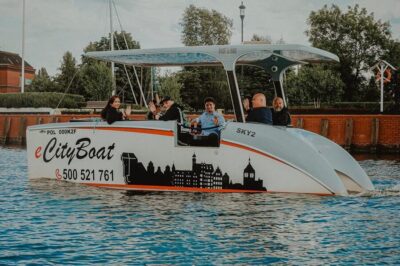 ★ 4.6Sightseeing EcoCruise around the Old Town of GdanskFrom $19719 reviews
 ★ 5.0Main Town Gdańsk Walking TourFrom $26644 reviews
 ★ 5.0Discover Gdansk Walking TourFrom $6495 reviews
 ★ 4.6Historic City Center Tour Gdansk in GermanFrom $26455 reviews
 ★ 4.9Old Town Private Walking Tour with Legends and FactsFrom $107245 reviews
 ★ 4.5Gdansk Old Town 2-Hour Walking TourFrom $16794 reviews
 ★ 4.5Sunset on the Shipyard and Old Town Evening CruiseFrom $2586 reviews
 ★ 4.8Electric Scooter Tour: Old Town Gdańsk – 1,5-Hour of Magic!From $6971 reviews
Browse the lists this tour appears in