
Reviewed · SOLIDARITY, COMMUNISM & RECENT HISTORY
Gdansk Private Communism Tour with Solidarity Center Museum
Solidarity history walks right through Gdańsk. This private tour blends shipyard stops with a skip-the-line museum visit in one smooth, story-led route, and I especially like the local, expert guidance that helps the names and dates actually mean something; just keep in mind the day can feel a bit rushed if you’re expecting extra museum time.
You get hotel pickup in Gdańsk Old Town (within 1.5 km of the meeting point), plus flexible departure times and options ranging from about 2 to 4 hours. It’s also offered in nine languages, so you’re not stuck with a generic explanation.
One more practical note: the shipyard area can be closed on Saturdays and Sundays, so plan around that if your trip lands on a weekend.
In This Review
- Key highlights you’ll care about
- Why Solidarity in Gdańsk feels different
- What you’re actually booking: 2-hour to 4-hour choices
- Old Town hotel pickup and meeting points that keep things easy
- Stop-by-stop: how the walking tour tells the story
- Stop 1: Monument to the Fallen Shipyard Workers of 1970
- Stop 2: Pomnik Anny Walentynowicz
- Stop 3: Sala BHP and the Gdańsk Agreement connection
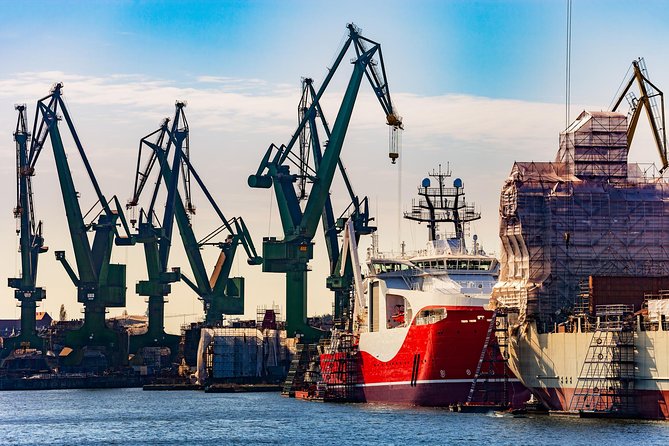
- Stop 4: Stocznia Gdańska, where resistance took shape
- The European Solidarity Centre upgrade: worth it if you want the “why”
- Price and value: what $139.10 buys you
- The practical stuff: timing, shoes, and weekend closures
- Vodka, monuments, and how to read the emotional tone
- Who this tour is best for
- Should you book the Gdansk Private Communism and Solidarity Tour?
- FAQ
- FAQ
- How long is the tour?
- Does the tour include the European Solidarity Centre?
- Is pickup included, and where does it happen?
- What happens on the shipyard stops if I’m visiting on a weekend?
- Do I get tickets or entry included for the museums and sites?
- Is the vodka shot included?
- Is this tour private?
Key highlights you’ll care about
- A private walking route through the shipyard-era locations that shaped Solidarity and the end of the PRL system
- Skip-the-line access to the European Solidarity Centre when you choose the longer option
- Real-world context at Sala BHP and the Gdańsk Agreement site tied to 31 August 1980
- A short, human touch: a traditional shot of Polish vodka with the longer tour option
- Local language support (nine options) with licensed guides approved to lead in Gdańsk
Why Solidarity in Gdańsk feels different
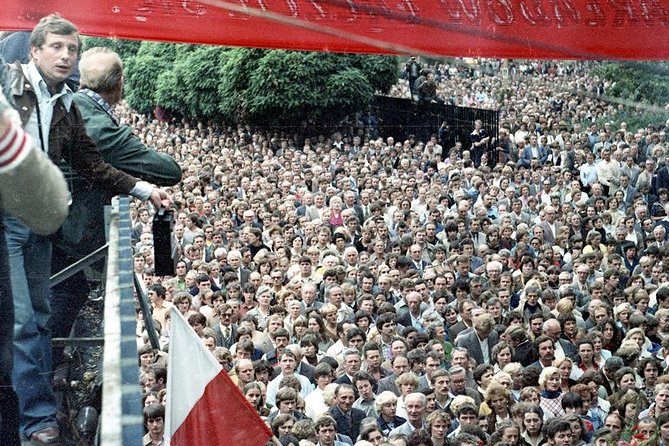
Gdańsk is one of those places where history isn’t trapped behind glass. You walk past the physical reminders—monuments, squares, and shipyard spaces—and you start to understand why workers and trade union leaders mattered so much. This tour focuses on the Solidarity movement and the late-Communist story of the Polish People’s Republic (PRL), but the real value is in how the route connects the people to the places.
I like that it doesn’t treat Solidarity like a distant political timeline. It’s shown as something lived: protests, demands, negotiations, and a gradual shift toward pluralism. Even if you only know the basics—Solidarity, Lech Wałęsa, the Iron Curtain—this kind of pacing helps you connect the dots without making it feel like homework.
More Solidarity and communist-era history tours in Gdansk



What you’re actually booking: 2-hour to 4-hour choices
This is priced at $139.10 per person and is typically booked about 45 days in advance, which usually signals it’s popular with people who plan carefully. The overall experience runs about 2 to 4 hours, and the structure is simple: a private guided walking tour of the shipyards area, with an upgrade that adds time at the European Solidarity Centre.
Here’s the key part for planning: the tour comes in options that affect what you’ll actually see and how long you’ll spend. The materials clearly note that:
- The European Solidarity Centre visit is part of the experience, and skip-the-line tickets are offered with 2-hour and 4-hour options.
- In the 4-hour option, you also get free entry to Sala BHP and Gdańsk Shipyard, and you get a vodka shot as part of the experience.
So if you want the museum to be a meaningful stop (not just a quick look), pick the longer option. If you just want the shipyard locations and a guided narrative, the shorter choice may fit better.
Old Town hotel pickup and meeting points that keep things easy
If you’re staying in Gdańsk Old Town, this is one of the more convenient ways to do this. Pickup is arranged only if your accommodation is within 1.5 km of the meeting point near Plac Solidarności. Otherwise, you’ll meet the guide directly at:
Monument to the Fallen Shipyard Workers of 1970, Plac Solidarności, 80-001 Gdańsk
The last stop is the shipyard area at:
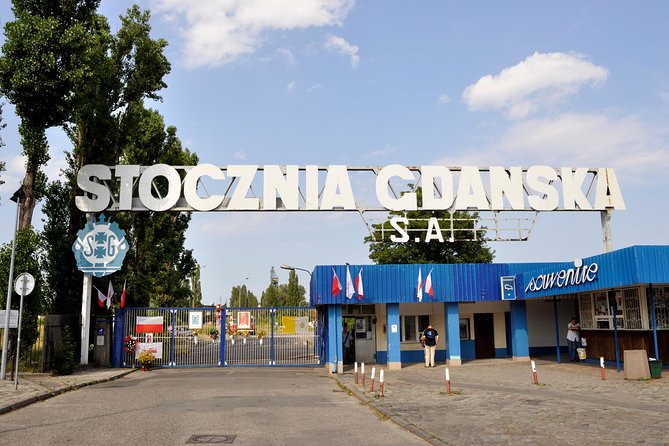
Stocznia Gdańska, Doki 1, 80-863 Gdańsk
In real-life terms, this matters because Solidarity sites are spread across key points around the shipyard district. Being able to start in Old Town without wrestling with transit helps you stay focused on the story instead of logistics.
Also pay attention to day-of timing. You’ll want to check your email the day before for important details, and if you’re visiting on a weekend, remember Gdańsk Shipyard is closed on Saturdays and Sundays.
Stop-by-stop: how the walking tour tells the story
The tour is built like a narrative. Each stop adds a piece—people, events, sites, and the mechanism of change. Admission is free at each of the walkable stops listed, and the guide’s job is to connect the signage and artifacts to what happened next.
Stop 1: Monument to the Fallen Shipyard Workers of 1970
You begin at Plac Solidarności at the Monument to the Fallen Shipyard Workers of 1970. This stop sets the tone. It frames the idea that worker unrest wasn’t a one-time event that suddenly “became politics.” Instead, it shows that conflict with the PRL system came in waves, and the human cost is part of the political story.
This is also a great place to get oriented. If you’re new to Polish history of the late 20th century, you’ll appreciate starting with the events that explain why later strikes and negotiations carried such weight.
More private Gdansk tours and drivers for the day
- Gdańsk: Old Town Private Walking Tour with Legends and Facts
★ 4.9 · 245 reviews - Gdansk: Shared or Private City Tour Sightseeing By Golf Cart
★ 4.8 · 233 reviews - Gdansk: Private Top City Tour by Electric Cart & Live Guided
★ 4.9 · 114 reviews - Private Airport Transfer Gdansk (GDN) to City Center Gdansk
★ 5.0 · 83 reviews
Stop 2: Pomnik Anny Walentynowicz
Next comes Pomnik Anny Walentynowicz, where you learn about key figures behind the revolution-era labor movement. Lech Wałęsa, Anna Walentynowicz, and other leaders are introduced here so later parts of the tour don’t feel like random names.
This is also where a good guide makes a difference. The tone of the tour is practical and interpretive—your guide helps you understand the exhibitions and the historical context behind the Solidarity strikes and their legacy across Eastern Europe. In other words, you’re not just reading plaques; you’re being guided through cause and effect.
Stop 3: Sala BHP and the Gdańsk Agreement connection
Sala BHP is a standout stop for anyone who likes the “how did this actually happen?” side of history. The tour points you to the historic site where the Gdańsk Agreement was signed on 31 August 1980.
This place is described as the Center of worker protection of the Gdańsk shipyard, also known as Sala BHP. That phrasing matters. It reminds you that Solidarity grew from worker needs and protections, not from abstract ideology alone.
Spend time here and let your guide translate the setting into meaning:
- Why agreements matter when power is uneven
- How worker protection and bargaining became political
- Why the events of 1980 were a turning point in the PRL system
Stop 4: Stocznia Gdańska, where resistance took shape
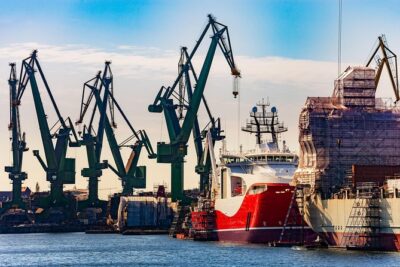
The last walking stop is Gdańsk Shipyard (Stocznia Gdańska). The tour frames it as the site where 17,000 ship builders started civil resistance against the communist regime in 1980.
This is where the tour earns its reputation as more than a lecture. You’re standing in the physical context that made the movement plausible at scale. If you care about civic movements—how groups organize and sustain pressure—this is the emotional anchor.
And yes, there’s a light, local touch in the 4-hour option: a shot of traditional Polish vodka. It’s not there to be funny. It’s there because it’s a real cultural cue, a small way to punctuate an otherwise serious story.
The European Solidarity Centre upgrade: worth it if you want the “why”
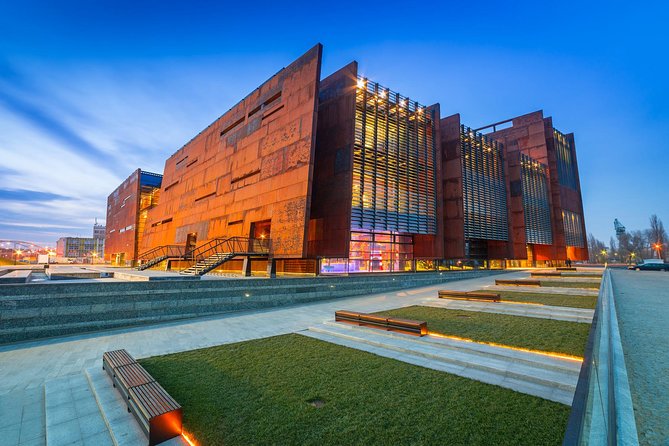
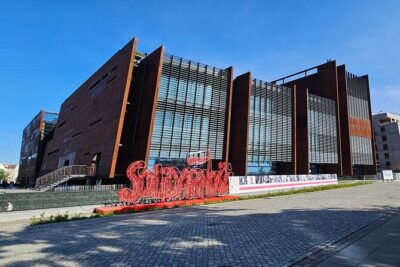
If you choose the longer option, you’ll visit the European Solidarity Centre (Europejskie Centrum Solidarności) with skip-the-line tickets, typically scheduled for about an hour in the experience.
This museum is where the story becomes easier to hold. Outside, you’re walking through memory. Inside, you see the structure: documents, photographs, and an organized path through the timeline.
Here are the specific things the museum visit is designed to highlight:
- The written Tables of 21 Postulates, the original demands from the shipyard strike at the Lenin Shipyard (now Gdańsk Shipyard)
- The broader campaign: strikes and the push for freedom
- The shift into negotiation, including the 1989 round table talks
- The first pluralistic election in Poland since 1947
If you’re the type of traveler who likes to understand the mechanism—how demands are drafted, how pressure grows, how negotiations happen—this is the part that turns “a story I heard once” into “a story I can explain.” Skip-the-line helps you spend that hour inside instead of negotiating with crowds.
Price and value: what $139.10 buys you
At $139.10 per person, you’re paying for a few specific things: privacy, licensed guiding, and museum access that reduces waiting time.
Here’s the value logic that matters:
- You’re not sharing the guide with strangers. This is a private tour, meaning only your group participates.
- You get a guide who’s an official Gdańsk license and fluent in your chosen language from nine options.
- You’re getting skip-the-line tickets for the European Solidarity Centre when that option is selected.
- You also get the extra included stops in the longer version, including free entry to Sala BHP and Gdańsk Shipyard and the vodka shot.
Could you do some of this on your own? Sure. You could walk between monuments and read plaques. But doing Solidarity justice usually requires context, and the whole point of this tour is that the guide turns places into a coherent political story. When the guide is strong, you’ll feel it in how quickly you understand what you’re looking at.
One caution to keep your planning realistic: timing can vary. Some groups have reported a late start and a feeling that the longer option finished earlier than expected. If you have another appointment right after, give yourself breathing room.
The practical stuff: timing, shoes, and weekend closures
This tour is mostly outdoors at the start. That means you’ll want comfortable walking shoes and a plan for weather, especially if you’re going during colder months. Bring a jacket even if the day seems mild—shipyard areas can feel breezier.
Now the calendar issue: Gdańsk Shipyard is closed on Saturdays and Sundays. That doesn’t mean the entire experience stops, but it does affect what you can see in the shipyard portion of the day. If your trip dates land on a weekend, consider choosing an option that prioritizes the museum and other stops that are not dependent on shipyard opening hours.
Also: pickup is only within the Old Town radius. If you’re slightly outside the area, expect to meet at Plac Solidarności instead of being collected at your door.
Vodka, monuments, and how to read the emotional tone
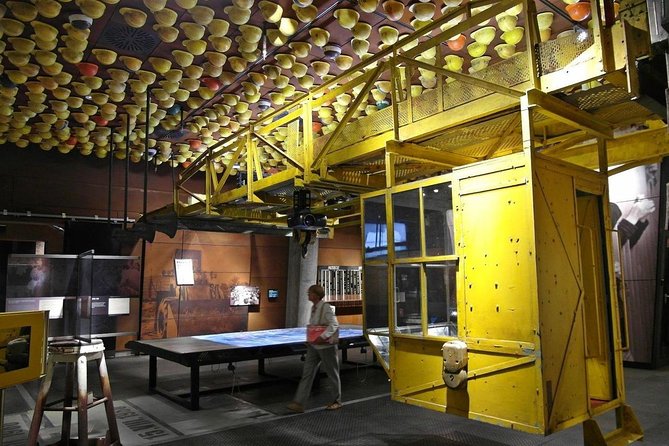
The tour’s emotional tone is steady, not sensational. You’ll move through memorials and historic sites that carry weight because the events involved real harm and real risk. The vodka shot in the 4-hour option is best seen as a cultural pause, a small warmth in the middle of heavy topics—like a reset button that doesn’t erase what you just learned.
When you’re at monuments and plaques, don’t rush to “finish the photos.” Take a moment. Ask your guide to explain what you’re seeing and what problem it solved at the time. That’s where the tour tends to work best: short explanation, then instant context.
Who this tour is best for
I’d put this tour at the top of your list if:
- You want the story of Solidarity and PRL without turning it into a textbook session
- You like understanding civic movements in real locations, not just in headlines
- You want a private guide who can answer questions in the language you chose
It’s also a strong pick if you’re a history traveler who’s already read a bit and wants the “local mechanism” of change—demands, negotiations, documents, and the shift to pluralistic elections.
If you’re short on time and just want a quick overview, the 2-hour version can work. If you want the museum documents and the postulates explained in a structured way, go longer.
Should you book the Gdansk Private Communism and Solidarity Tour?
Book it if you want a guided route that connects monuments, shipyard sites, and the European Solidarity Centre into one understandable story. The privacy, licensed guidance, and skip-the-line access to the museum are the big reasons to choose it over DIY.
Skip it only if your schedule is tight to the minute and you can’t absorb any timing hiccups. Also, if your dates are a weekend, double-check how the shipyard closure could affect your specific option and your expectations for that portion of the route.
FAQ
FAQ
How long is the tour?
The experience runs about 2 to 4 hours, depending on which option you choose.
Does the tour include the European Solidarity Centre?
Yes. The longer option includes a visit to the European Solidarity Centre, with skip-the-line tickets.
Is pickup included, and where does it happen?
Pickup is available only in Gdańsk Old Town, within 1.5 km of the meeting point. If you’re outside that range, your guide meets you at the monument at Plac Solidarności.
What happens on the shipyard stops if I’m visiting on a weekend?
The tour information notes that Gdańsk Shipyard is closed on Saturdays and Sundays, so your schedule may be affected on weekend dates.
Do I get tickets or entry included for the museums and sites?
The tour includes free entry to Sala BHP and Gdańsk Shipyard in the 4-hour option. It also includes skip-the-line tickets to the European Solidarity Centre, with museum entry included for the time there.
Is the vodka shot included?
The materials say a shot of traditional Polish vodka is included in the 4-hour option.
Is this tour private?
Yes. It’s a private tour/activity, so only your group participates.
More Private Pomerania Day Tours
- Gdańsk: Old Town Private Walking Tour with Legends and Facts★ 4.9 · 245 reviews
- Gdansk: Shared or Private City Tour Sightseeing By Golf Cart★ 4.8 · 233 reviews
- Gdansk: Private Top City Tour by Electric Cart & Live Guided★ 4.9 · 114 reviews
- Private Airport Transfer Gdansk (GDN) to City Center Gdansk★ 5.0 · 83 reviews
- Gdańsk Old Town Private Walking Tour with Legends and Facts★ 5.0 · 65 reviews
More Tour Reviews in Gdansk
- Gdańsk City Sights & History Guided Walking Tour in English★ 4.8 · 876 reviews
- Gdansk: Firearm Shooting Experience with Instructor★ 4.8 · 866 reviews
- Gdansk: Guided Round-Trip Cruise to Westerplatte★ 4.3 · 865 reviews
- Gdańsk: Sightseeing EcoCruise around the Old Town of Gdansk★ 4.6 · 719 reviews
- Main Town Gdańsk Walking Tour★ 5.0 · 644 reviews
More Solidarity & Communist-Era History Tours
- Gdansk: Private Communism Tour with Solidarity Center Museum★ 5.0 · 28 reviews
- Solidarity Tour★ 5.0 · 25 reviews
- Gdansk: European Solidarity Centre Guided Tour★ 4.9 · 14 reviews
- Gdansk European Solidarity Centre Guided Tour★ 5.0 · 6 reviews
Still deciding? Here are more Gdansk tours and Pomerania day trips we have written up


Solidarity, Communism & Recent History, compared.
 ★ 5.0Private Communism Tour with Solidarity Center MuseumFrom $18428 reviews
 ★ 5.0Solidarity TourFrom $11425 reviews
 ★ 4.9European Solidarity Centre Guided TourFrom $8314 reviews
★ 5.0Gdansk European Solidarity Centre Guided TourFrom $396 reviews
★ 4.9European Solidarity Centre Guided TourFrom $8314 reviews
★ 5.0Gdansk European Solidarity Centre Guided TourFrom $396 reviews
Browse the lists this tour appears in