
Reviewed · SOLIDARITY, COMMUNISM & RECENT HISTORY
Gdansk: Private Communism Tour with Solidarity Center Museum
You’ll watch Gdansk argue with communism. This private tour connects the city’s streets to the Solidarity story, with a history-expert licensed guide and an efficient visit to the European Solidarity Centre. The tone is serious, but it never feels heavy-handed.
I especially love the skip-the-line entry into the European Solidarity Centre. When you’re shown the documents step by step, you get a clear timeline instead of feeling like you’re reading captions at random.
One consideration: the Gdansk Shipyard is closed on Saturdays and Sundays, so if you’re traveling on a weekend, double-check your travel dates or you may need to adjust expectations for what you’ll see.
In This Review
- Key Takeaways Before You Go
- Why This Tour Works in Gdansk (Not Just on a Map)
- Starting at Plac Solidarności: Setting the Emotional Tone
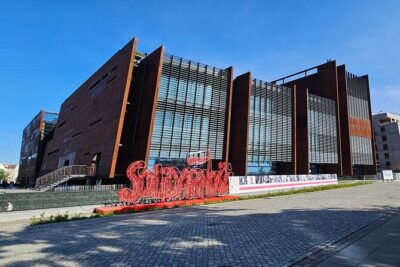
- European Solidarity Centre: Skip the Line, Then Learn the Real Timeline
- Sala BHP: Where the Gdańsk Agreement Became More Than Words
- Walking the Shipyard Story: From Resistance to Reality
- The Monument and 1970 Backstory: Why This Isn’t Just One Event
- The Guide Makes or Breaks It: What You Should Expect from the Private Format
- The 4-Hour Rhythm and What You’ll Actually Have Time For
- Value and Price: Is $184 Reasonable for What You Get?
- Who This Tour Suits Best (And Who Might Want Something Else)
- Should You Book This Private Communism Tour?
- FAQ
- Is the European Solidarity Centre ticket skip-the-line?
- How long is the private tour?
- What does the tour include on the 4-hour option?
- Where does the tour start?
- Do you provide pickup from hotels?
- Is the shipyard open every day?
- Are there wheelchair accommodations?
Key Takeaways Before You Go
- Skip-the-line access saves time and keeps the museum visit from turning into a waiting game.
- Sala BHP is a standout stop, tied directly to the agreement of 31 August 1980.
- Shipyard resistance on the ground beats guessing at history from photos.
- A private, discussion-based guide helps you connect the exhibits to what changed in Eastern Europe.
- Old Town pickup plus car transport makes this easier than doing everything by tram or foot.
Why This Tour Works in Gdansk (Not Just on a Map)
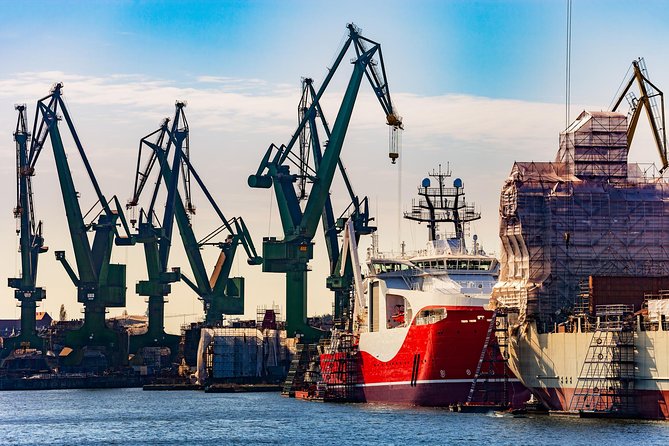
Gdansk is famous for ships and trade, but this tour shows another side: how working people forced political change. The setup is smart. You start at a central memorial area, then you move through the places where decisions were made and where conflict played out in public. That matters, because history here isn’t locked behind glass. It’s built into the city layout.
I also like that the tour frames the Solidarity movement as a civic success, not just a sad chapter. You still learn the hard parts, including the consequences of unrest. But the focus stays on the chain of events: strikes, negotiations, and the opening of political space that helped reshape the region.
You’ll also get the advantage of a private format. This isn’t just a walk-with-a-headset. Your guide can slow down when something in the museum feels confusing, or move faster when your interests match the story.
More Solidarity and communist-era history tours in Gdansk



Starting at Plac Solidarności: Setting the Emotional Tone
Your tour meets under the Monument to the Fallen Shipyard Workers of 1970 at Plac Solidarności in central Gdansk. Even before you enter the museum spaces, you’re standing in the right emotional context. This is where the Solidarity theme is grounded in specific people, not abstract ideology.
If you’re staying in Gdansk Old Town, the tour includes pickup, but only within about 1.5 km of the meeting point. That small detail affects comfort. If you’re farther away, you’ll meet at the monument instead, and your route may need to shift.
Either way, the beginning matters because it prepares you for what comes next: a mix of communist-era politics, labor pressure, and the birth of democratic practice in this part of Europe.
European Solidarity Centre: Skip the Line, Then Learn the Real Timeline
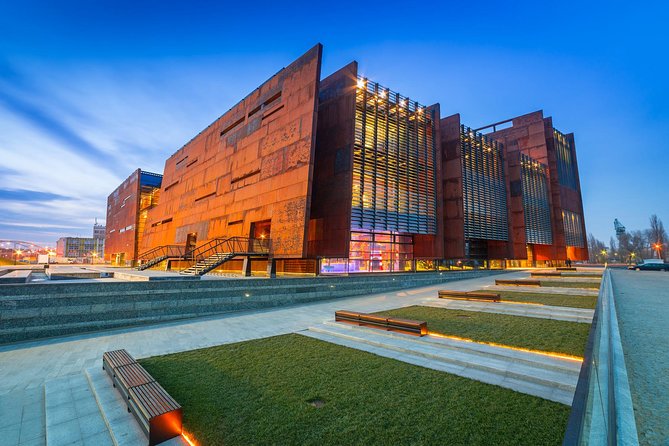
The European Solidarity Centre visit is the heart of this experience. The biggest practical win is the skip-the-line ticket, which helps you avoid dead time and lets your guide start teaching sooner. In a museum like this, timing isn’t just about convenience. When you begin early and stay focused, the story sticks better.
Inside, you move through the history of Solidarity step by step. Your guide helps you make sense of what you’re seeing, instead of treating it like a collection of objects. Expect a guided path through the background of labor unrest under communist rule, then the pressure points that led to major negotiations.
A highlight is seeing the original Tables of 21 Postulates. These were the written demands made by the strikers connected to the Lenin Shipyard (today’s Gdansk Shipyard) in 1980. Reading about demands is one thing. Seeing the actual documents and being told what they meant in context makes it feel immediate.
You’ll also learn about major figures such as Lech Wałęsa and Anna Walentynowicz, along with other people who pushed events forward. Your guide connects them to the exhibitions, so you come away with a clearer idea of who did what, and why those actions mattered.
One of my favorite parts here is how the museum links local events to wider change. You’re not only learning about Poland. You’re learning how the Solidarity story influenced political thinking across the Eastern Bloc.
Sala BHP: Where the Gdańsk Agreement Became More Than Words
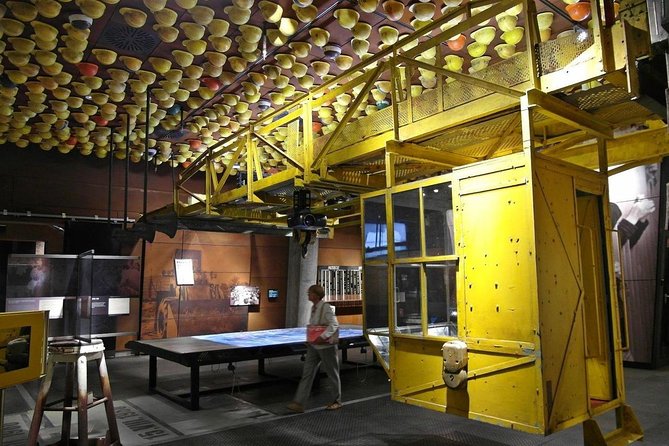
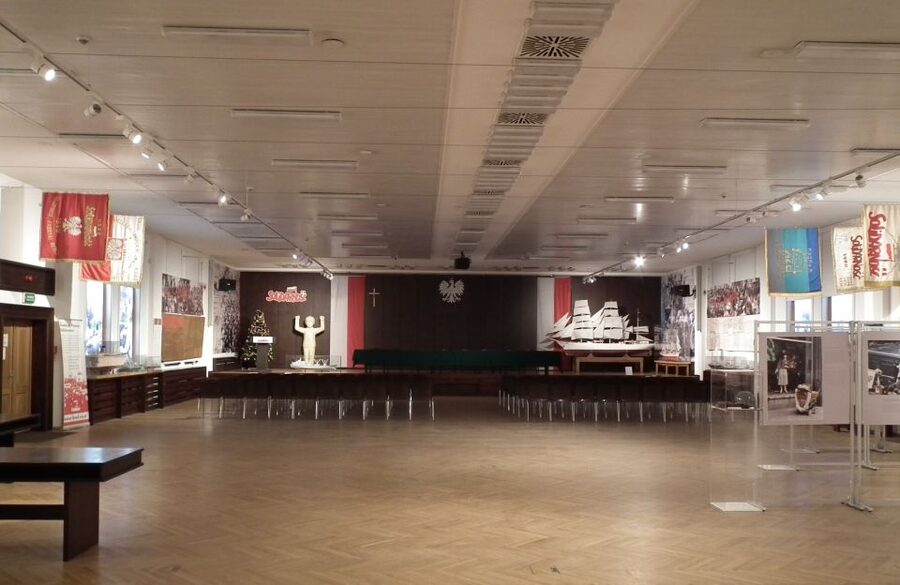
For the 4-hour option, you get to visit Sala BHP, the historic site connected to the signing of the Gdańsk Agreement on 31 August 1980. This is one of those places where location is part of the meaning. It’s not a generic “museum room.” It’s tied to a specific turning point.
Your guide explains what was happening and why the agreement was important. You’ll hear how the Gdańsk Agreement represented a breakthrough that gave the movement formal recognition and opened the door to political negotiations later on.
That matters for understanding the whole arc of Poland’s road to change. It’s easy to think revolutions happen in a single explosive moment. This site shows the messier reality: bargaining, document-making, and pressure building until people in power can no longer ignore the demands.
In practical terms, this stop is also a good pace reset. You’ve just come from a museum with lots of information. Sala BHP gives you a more grounded, place-based lesson before the shipyard finale.
Walking the Shipyard Story: From Resistance to Reality
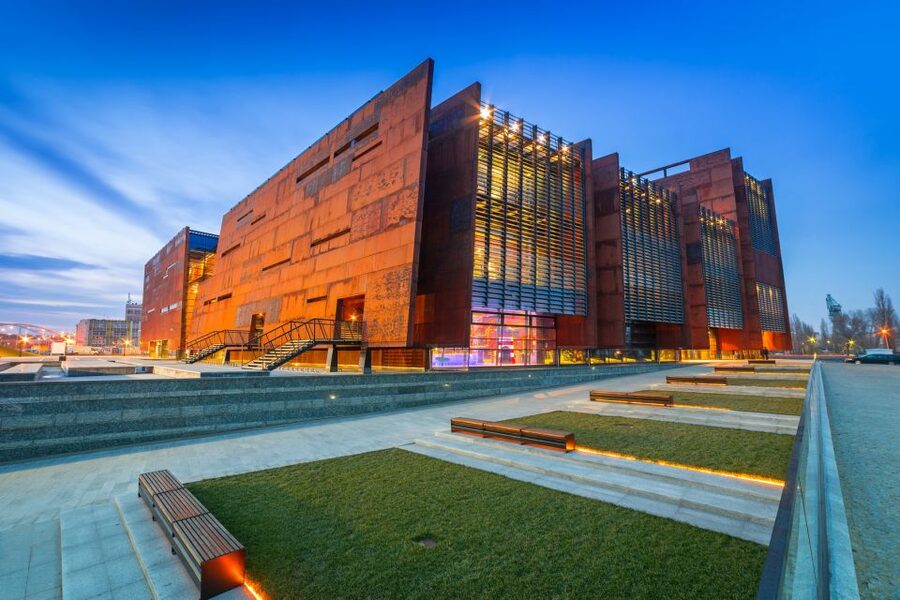
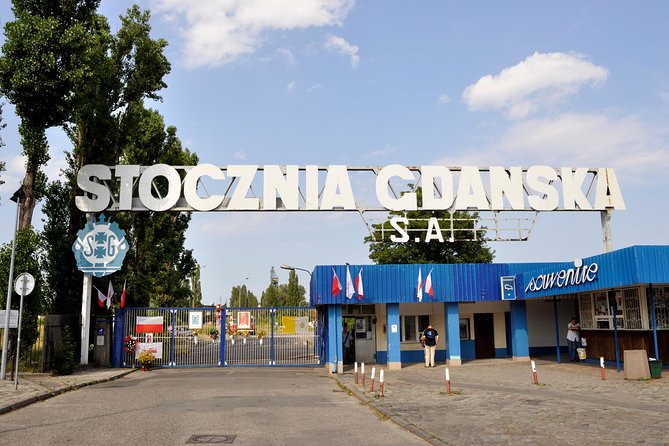
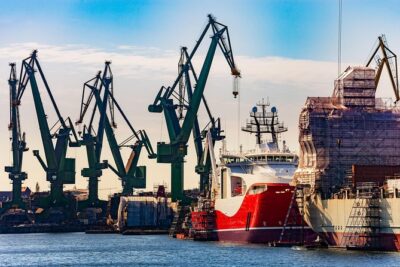
Next you move toward the Gdansk Shipyard area, often described as the Stocznia Gdańsk site. This is where the story shifts from documents to environment—where you can understand how a shipbuilding workplace became the setting for civil resistance.
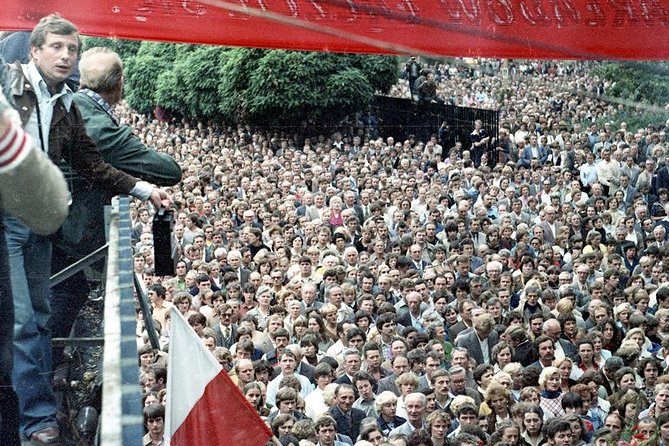
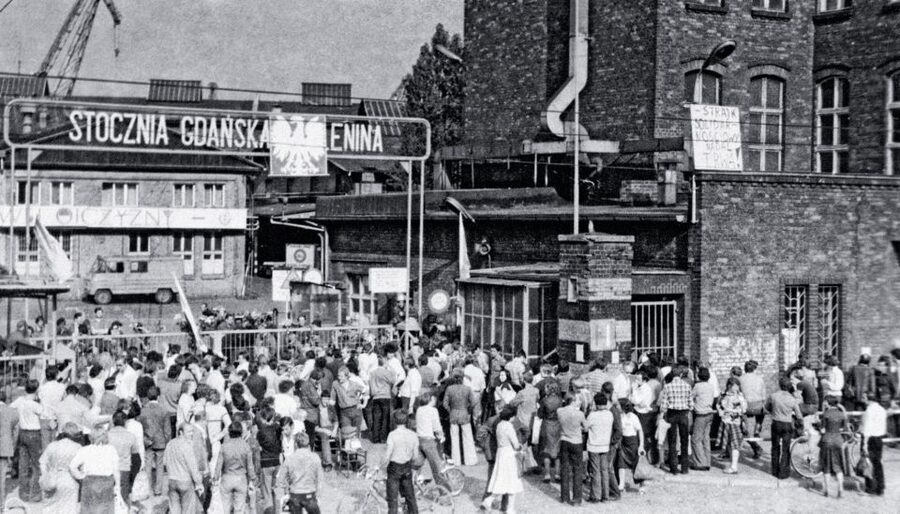
A key point you’ll hear is that in 1980, about 17,000 ship builders began civil resistance against the communist regime. Whether you’re a history buff or just curious, that number works because it’s concrete. It tells you this wasn’t a small protest. It was organized pressure from a workforce.
The shipyard stops also help you see why the story of labor and politics can’t be separated here. Your guide points out monuments and explains the tragedy behind unrest tied to shipyard life, including the memory of earlier worker deaths.
The shipyard area can feel like a changing neighborhood today, and the experience becomes better with a guide who can map the past to what you’re seeing now. In fact, one guide (Małgorzata) was praised for knowing the shipyard history closely and helping people understand the place even when the surrounding district looks different from old photos.
If you love walking in meaningful places, this is where the tour starts to feel like more than a lecture.
More private Gdansk tours and drivers for the day
- Gdańsk: Old Town Private Walking Tour with Legends and Facts
★ 4.9 · 245 reviews - Gdansk: Shared or Private City Tour Sightseeing By Golf Cart
★ 4.8 · 233 reviews - Gdansk: Private Top City Tour by Electric Cart & Live Guided
★ 4.9 · 114 reviews - Private Airport Transfer Gdansk (GDN) to City Center Gdansk
★ 5.0 · 83 reviews
The Monument and 1970 Backstory: Why This Isn’t Just One Event
For the 4-hour version, you also visit Solidarity Square and hear the tragic story behind the Monument to the Fallen Shipyard Workers of 1970. That’s an important add-on because it shows the Solidarity movement didn’t appear out of nowhere.
You’ll understand how earlier conflicts created pain, memory, and momentum. The 1970 worker unrest becomes part of the foundation for later action in 1980. Your guide helps you connect those dots so you don’t treat the Gdansk Agreement as a standalone miracle.
This segment is also a good reminder that political change has human costs. Expect a sober tone. You’ll likely find yourself pausing at the monuments because they’re tied to named people and lived consequences, not just symbols.
The Guide Makes or Breaks It: What You Should Expect from the Private Format
This is a private tour, and that changes how you experience the material. Your guide is licensed and history-focused, and you get live interpretation in English, German, Polish, or Russian. That language flexibility matters in a museum context, because terms like postulates, agreements, and union actions can get technical. Better language access makes the difference between understanding and just nodding.
The best part of the private format is the way the guide handles questions. When something feels political, personal, or confusing, you can ask, and the guide can put it back into context without rushing you.
In reviews, the guides were singled out for storytelling that feels personal and clear, including private background details that made the social context easier to grasp. One German-language group of 18 people highlighted how entertaining and insightful the guide’s approach was, especially in the way it connected events to everyday society.
And again, one guide named Małgorzata was praised for explaining the essentials clearly and for being comfortable across languages, including French, while still showing strong control of the shipyard details.
If you like tours where the guide acts like a teacher rather than a script reader, this style will fit you well.
The 4-Hour Rhythm and What You’ll Actually Have Time For
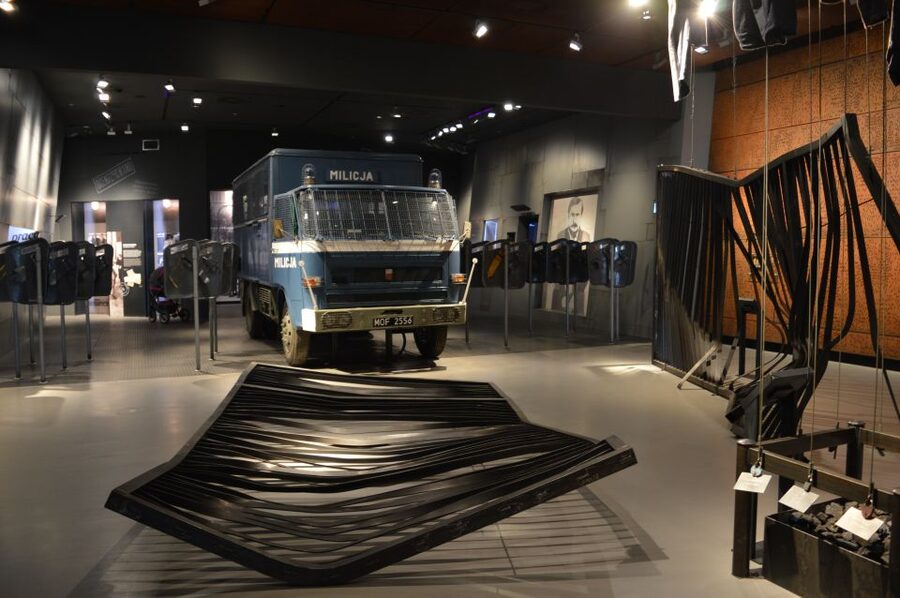
This tour is designed around a 4-hour schedule, and that schedule affects what’s included. You get:
- European Solidarity Centre entry with skip-the-line access
- Sala BHP and Gdansk Shipyard entry (only included on the 4-hour option)
- Additional walking connected to Solidarity Square and the worker memorial story
- Car transport and pickup within the Old Town area (when eligible)
- A shot of traditional Polish vodka (only on the 4-hour option)
Car transport is more than convenience. It helps you spend your energy on the key sites instead of fighting transit timing. Also, it’s useful when the city streets and site locations are separated by short but frequent walks.
You should also plan for the fact that this is a day of ideas. Even if the group is small, you’ll get plenty of context—communist-era Poland, the Solidarity movement, and how it created momentum for broader change.
One more practical note: Gdansk Shipyard is closed on Saturdays and Sundays. If your dates fall on a weekend, the shipyard portion may not work as expected, even if the rest of the tour still sounds attractive.
Value and Price: Is $184 Reasonable for What You Get?
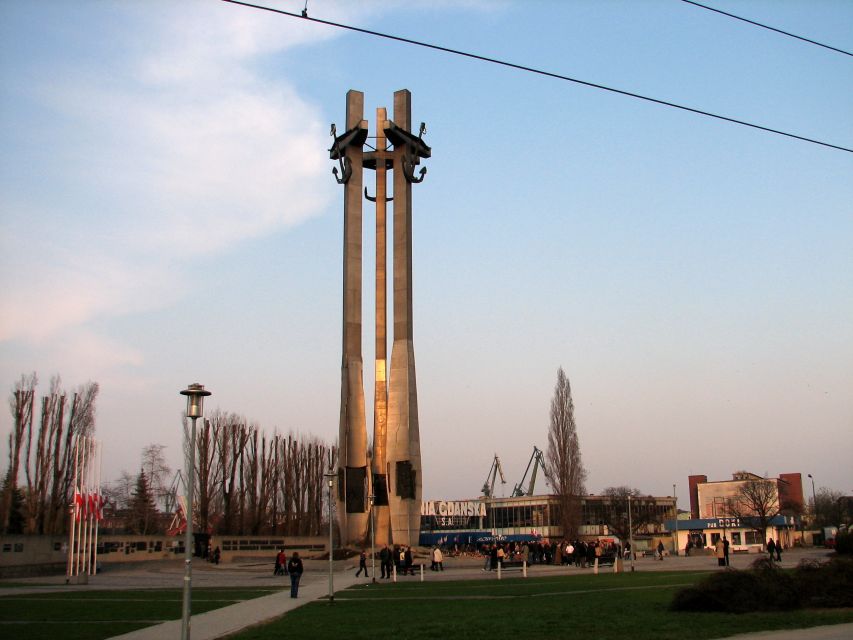
At $184 per person for 4 hours, this isn’t a budget add-on. But it’s also not overpriced for what’s included—especially if you care about understanding the material properly.
Here’s why it can be good value:
- Private guide time for a full 4-hour guided experience
- Skip-the-line entry to the European Solidarity Centre (time is money, and museums waste time fast)
- Multiple major sites included, including Sala BHP and Gdansk Shipyard on the longer option
- Pickup and drop-off if you’re near Old Town within the stated limit
- A licensed, history-focused guide who helps you interpret documents and exhibits, including the Tables of 21 Postulates
If you tried to do this on your own, you could save money, but you’d likely lose the “why” behind what you’re seeing. This tour is built to explain the story behind the objects and buildings, and that’s the part that tends to stick after you leave.
My bottom line: if you want meaningful context and you don’t want to coordinate multiple tickets and meeting points, the price can feel fair.
Who This Tour Suits Best (And Who Might Want Something Else)
This is a strong fit if you:
- want a guided, historical focus on communist-era Poland and Solidarity
- like document-based museums where explanations matter
- prefer private pacing and the ability to ask questions
- want a practical Old Town pickup and car transport rather than cobbling together transit
It may not suit you as well if you’re seeking a lighter, purely scenic city walk. This is not that. Expect serious themes: labor conflict, political pressure, and tragedy connected to worker unrest.
Also, if you’re traveling on a weekend, remember the shipyard closure issue. You don’t want to show up with one expectation and then find a piece of the plan doesn’t run.
Should You Book This Private Communism Tour?
I’d book it if you want Gdansk to make sense through the Solidarity movement story, not just through architecture and waterfront photos. The combination of skip-the-line museum access, the Sala BHP turning-point site, and time at the shipyard makes the tour feel cohesive. It’s built like a narrative, and a good guide is what turns that narrative into something you can actually remember.
If you’re short on time in Gdansk and you still want the real context, this is also a smart way to compress a lot of meaning into one afternoon.
If your travel dates land on a Saturday or Sunday, sanity-check the shipyard closure before you commit. Then, if everything lines up, this is exactly the kind of private tour that turns history from words on a wall into something you can stand beside.
FAQ
Is the European Solidarity Centre ticket skip-the-line?
Yes. The tour includes European Solidarity Centre skip-the-line entry tickets.
How long is the private tour?
The tour duration for the option described is 4 hours.
What does the tour include on the 4-hour option?
On the 4-hour option, you get the European Solidarity Centre entry, plus visits that include Sala BHP and Gdansk Shipyard. The tour also includes a shot of traditional Polish vodka.
Where does the tour start?
You meet your guide under the Monument to the Fallen Shipyard Workers of 1970 at Plac Solidarności, 80-001 Gdańsk.
Do you provide pickup from hotels?
Pickup is available only in the Gdansk Old Town area, within about 1.5 km from the meeting point. If your accommodation is outside that range, the guide meets you at the meeting point and the itinerary may be adjusted.
Is the shipyard open every day?
No. Gdansk Shipyard is closed on Saturdays and Sundays.
Are there wheelchair accommodations?
Yes. The activity is wheelchair accessible.
More Private Pomerania Day Tours
- Gdańsk: Old Town Private Walking Tour with Legends and Facts★ 4.9 · 245 reviews
- Gdansk: Shared or Private City Tour Sightseeing By Golf Cart★ 4.8 · 233 reviews
- Gdansk: Private Top City Tour by Electric Cart & Live Guided★ 4.9 · 114 reviews
- Private Airport Transfer Gdansk (GDN) to City Center Gdansk★ 5.0 · 83 reviews
- Gdańsk Old Town Private Walking Tour with Legends and Facts★ 5.0 · 65 reviews
More Tour Reviews in Gdansk
- Gdańsk City Sights & History Guided Walking Tour in English★ 4.8 · 876 reviews
- Gdansk: Firearm Shooting Experience with Instructor★ 4.8 · 866 reviews
- Gdansk: Guided Round-Trip Cruise to Westerplatte★ 4.3 · 865 reviews
- Gdańsk: Sightseeing EcoCruise around the Old Town of Gdansk★ 4.6 · 719 reviews
- Main Town Gdańsk Walking Tour★ 5.0 · 644 reviews
More Solidarity & Communist-Era History Tours
- Solidarity Tour★ 5.0 · 25 reviews
- Gdansk Private Communism Tour with Solidarity Center Museum★ 5.0 · 14 reviews
- Gdansk: European Solidarity Centre Guided Tour★ 4.9 · 14 reviews
- Gdansk European Solidarity Centre Guided Tour★ 5.0 · 6 reviews
Still deciding? Here are more Gdansk tours and Pomerania day trips we have written up


Solidarity, Communism & Recent History, compared.
 ★ 5.0Solidarity TourFrom $11425 reviews
 ★ 4.9European Solidarity Centre Guided TourFrom $8314 reviews
 ★ 5.0Gdansk Private Communism Tour with Solidarity Center MuseumFrom $13914 reviews
★ 5.0Gdansk European Solidarity Centre Guided TourFrom $396 reviews
★ 5.0Gdansk Private Communism Tour with Solidarity Center MuseumFrom $13914 reviews
★ 5.0Gdansk European Solidarity Centre Guided TourFrom $396 reviews
Browse the lists this tour appears in