
Reviewed · SOLIDARITY, COMMUNISM & RECENT HISTORY
Gdansk: European Solidarity Centre Guided Tour
History in Gdańsk has a pulse. At the European Solidarity Centre, you see the fight for freedom through strikes, negotiations, and the people who dared to resist.
I especially love how the tour turns museum stops into a guided story you can follow, step by step. Two things I liked a lot are the professional live guide (with English and Polish options) and the hands-on-feeling way the exhibits use recreated scenes and multimedia.
One thing to think about: the tour includes climbing and descending staircases, and you can’t bring luggage or large bags.
In This Review
- Key things to know before you go
- Entering the European Solidarity Centre: more than exhibits
- Recreated strikes and multimedia: how the past feels present
- Lech Wałęsa and the round table negotiations you can follow
- Solidarity’s ripple effect: from Poland to Eastern Europe
- Workshops and film screenings: turning history into a conversation
- Why a guided tour is worth the money here
- What the 150 minutes feels like on the ground
- Price, value, and how to decide if it fits your day
- Who should book this tour?
- Accessibility and practical comfort in plain terms
- A quick note from real-world ratings
- Should you book the European Solidarity Centre guided tour?
- FAQ
- FAQ
- How long is the guided tour?
- What’s included in the price?
- Is transportation or food included?
- What language options are available?
- Can I skip the ticket line?
- Is the tour wheelchair accessible?
- Are there any restrictions on luggage?
- Is the tour suitable for everyone age-wise?
Key things to know before you go
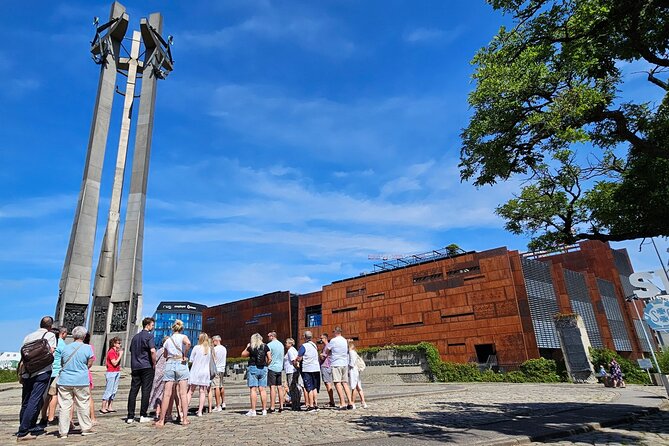
- A live guide keeps the story straight through Poland’s Solidarity era and what it meant beyond the country.
- Recreated strikes and multimedia make key moments feel immediate instead of distant.
- Solidarity’s global influence is part of the main path, not an afterthought.
- The tone is discussion-friendly, with workshops and film screenings that connect history to today.
- Stair use is part of the route, so plan for walking and careful footing.
- Some guidance matters: one review praised a specific guide (Marta), while another felt the guide could be better—so pick the language and time that fit you.
Entering the European Solidarity Centre: more than exhibits
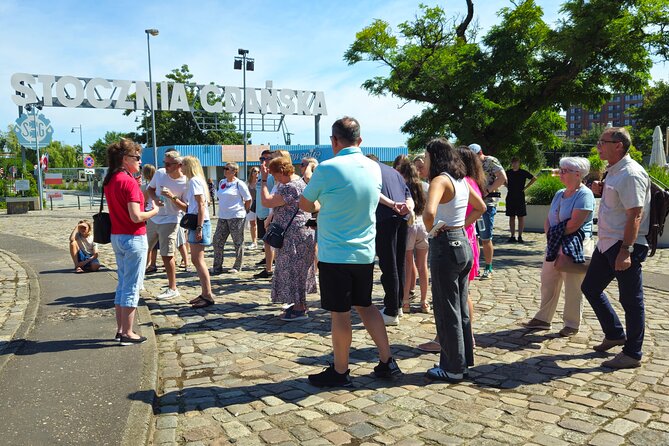
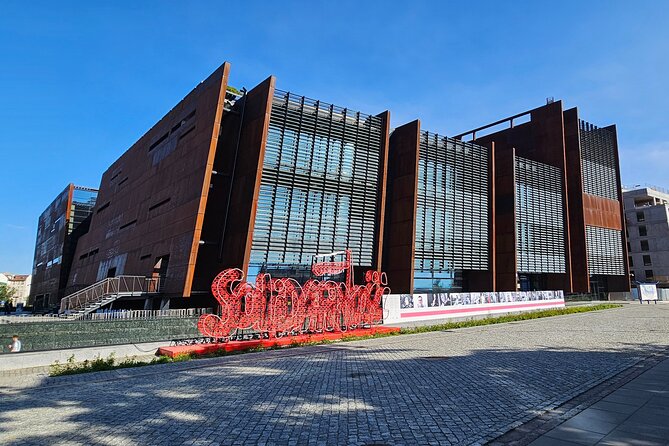
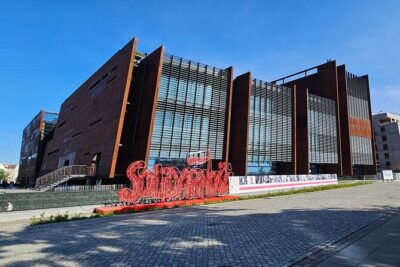
If you only do one history site in Gdańsk, this is a strong candidate. The European Solidarity Centre is designed so you don’t just look at dates—you move through an argument: that everyday people can change a system.
The guided format is where this experience really works. You’re not left alone in galleries. A live guide helps you connect the dots between Solidarity, Lech Wałęsa’s public role, labor action, and the political negotiations that followed. And because the tour runs in English or Polish, you can choose the language that lets the details land.
It lasts about 150 minutes, which is long enough to feel like you got the whole story arc, but not so long that you’ll be exhausted by the time you exit. I’d treat it as a central stop for a history-focused half day, not as a quick add-on.
More Solidarity and communist-era history tours in Gdansk



Recreated strikes and multimedia: how the past feels present
One of the best parts of this tour is the way the exhibits dramatize the struggle. Instead of reading descriptions from behind glass, you’ll encounter recreated strikes and multimedia displays that bring pressure, momentum, and conflict into view.
This matters because communism-era history can turn abstract fast. The Solidarity movement is about choices made under real risk—organizing, refusing, negotiating, and holding the line when authorities push back. Seeing those moments staged helps you understand the emotions behind the headlines.
For you, the practical takeaway is simple: arrive ready to pay attention. This is not a museum you rush. When multimedia and reenactments are part of the route, your best experience comes from slowing down enough to watch and then letting the guide translate what you’re seeing into context.
Lech Wałęsa and the round table negotiations you can follow
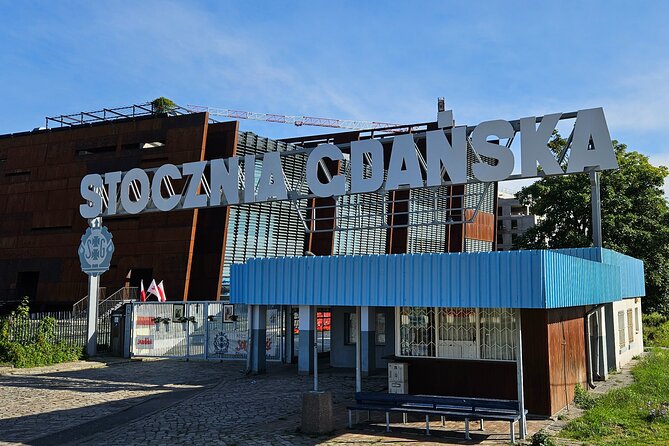
The story has iconic anchors, and the tour uses them. You’ll walk through exhibits tied to Lech Wałęsa and you’ll see how round table negotiations shaped the path forward.
What I like about this approach is that it prevents a common mistake: people remember names but miss the mechanics. The guide helps explain how negotiations came out of pressure from workers and civil society—not just from leaders making decisions in a vacuum.
If you like political history, this part will feel especially satisfying. You’ll see the bridge between street-level resistance and high-level bargaining. If you’re more into social history, you’ll still get value, because the narrative keeps pulling you back to the people driving events.
Solidarity’s ripple effect: from Poland to Eastern Europe
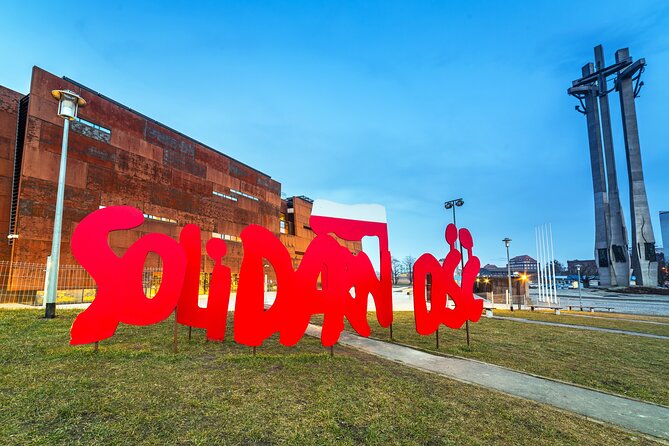
Solidarity didn’t stay inside Poland’s borders, and the centre makes sure you notice that. Expect exhibits that show its global influence, including how it sparked conversations and momentum for change across parts of Eastern Europe.
For me, this is one of the most important angles of the tour. It helps you shift from a single-country story to a pattern: labor movements and civic groups can create political pressure that spreads. You start noticing how ideas travel—how tactics, courage, and language of rights can move across borders.
Even if you’re visiting from elsewhere in Europe, you’ll probably find this section connects to broader modern conversations about human rights and social justice. It’s not preachy; it’s more like a clear reminder that history isn’t locked in one decade.
Workshops and film screenings: turning history into a conversation
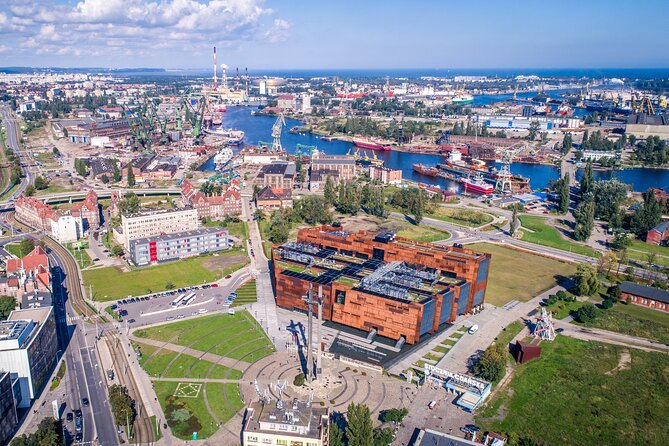
This centre isn’t only about explaining the past; it also pushes you to think about the present. Along the way, you’ll encounter elements that encourage active reflection, including workshops and film screenings.
That’s a big deal for modern travelers. Many history sites give you information and send you off. Here, the design nudges you toward discussion, which is a better match for real learning. You’ll likely leave with questions, not just facts—and that’s often the point of a good museum experience.
Practical note: because this part involves activities and media, group pacing can vary. If you’re the type who needs every detail on your own schedule, plan for the fact that timing depends on what’s happening in the centre during your visit.
More guided Gdansk tours along the Baltic coast
- Gdansk: Guided Round-Trip Cruise to Westerplatte
★ 4.3 · 865 reviews - Gdansk: City Sightseeing Tour by Golf Cart/Buggy Guided Tour
★ 4.9 · 510 reviews - Gdansk Guided City Cruise on Historical Polish Boat
★ 4.5 · 230 reviews - Gdańsk: City Sightseeing Tour by Buggy/Golf Cart LIVE GUIDED 1H
★ 5.0 · 208 reviews
Why a guided tour is worth the money here
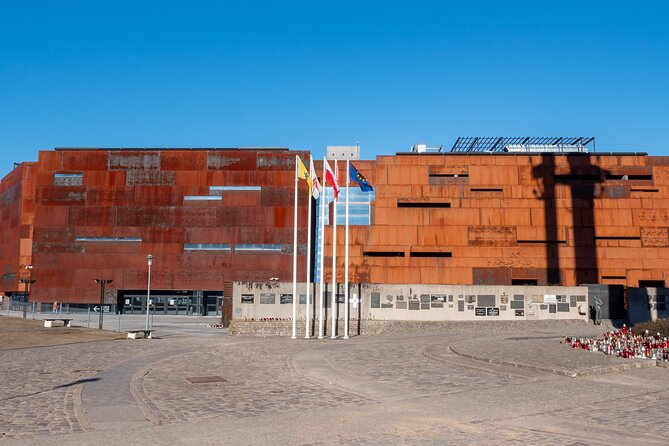
At $83 per person for about 150 minutes, you’re paying for structure, interpretation, and saved time. The tour includes entrance tickets and a professional guide, plus a skip-the-ticket-line benefit.
That “skip the line” part sounds small, but in busy tourist periods it matters. It keeps your visit from getting chopped up by waiting around, which helps you stay in the right mindset—especially with a topic this heavy.
The guide is also the difference between reading a wall and understanding a theme. In at least one confirmed booking, Filip praised the tour and highlighted a guide named Marta. That gives you a clue that the experience can be excellent when the guide is on form. Another review rated the experience lower and said the guide could be better, which is a useful reminder: always double-check the tour’s language and time slot that best fits you.
In short: if you want a straightforward museum day, you could consider self-guided. But if you want the story organized and explained, this guided format is the better value.
What the 150 minutes feels like on the ground
You’ll spend roughly two and a half hours moving through sections, watching media, and working through the main narrative arc: Solidarity’s fight against communism, key figures and negotiation moments, and then the broader impact on human rights movements.
For your comfort, keep a few practical things in mind:
- The tour involves stairs, so wear shoes you trust on uneven or indoor steps.
- You’ll want to keep your hands free for media viewing areas.
- The route design means you should expect some back-and-forth rather than a perfectly linear “one room to the next” flow.
Also check your timing. The start time can shift a bit depending on guide availability, so I’d build in extra buffer on your schedule.
Price, value, and how to decide if it fits your day
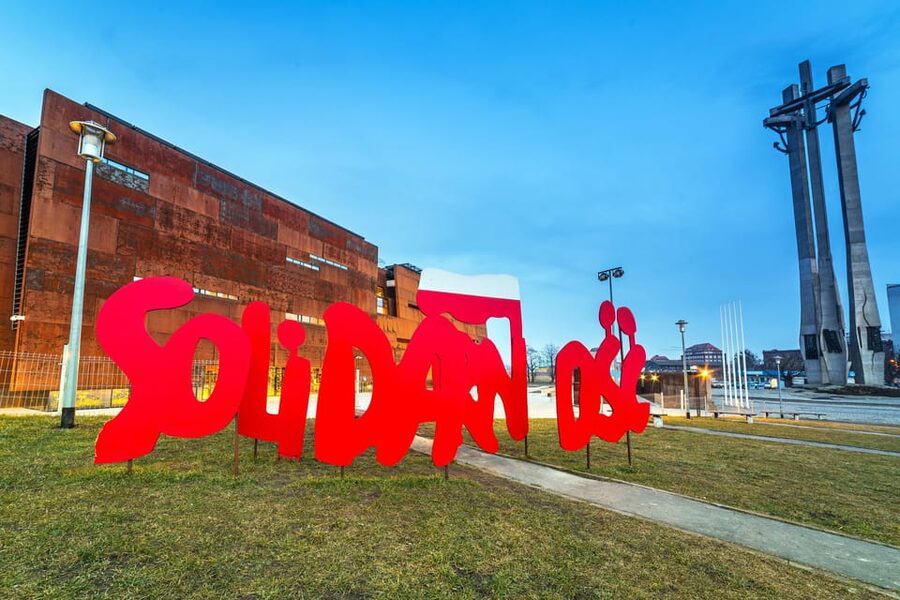
Let’s be real: $83 is not a budget price for a museum visit. The good news is that you’re not paying only for entry. You’re paying for a guided experience with interpretation, plus ticket-line efficiency.
Here’s how I’d judge value for you:
- If you like history but struggle to connect events into a coherent story, the guide makes this worth it.
- If you enjoy human-rights themes and want the Solidarity movement connected to modern ideas, the discussion-forward components add real value.
- If you’re short on time and you just want a quick stop, the duration might feel long for a quick hit.
Because the tour includes tickets, you also avoid the typical “nickel-and-dime” feeling of separate entry fees plus guided service. That keeps the price easier to accept as one package.
Who should book this tour?
This is a strong match if you want:
- A guided history experience focused on communism, resistance, and negotiations
- A clear explanation of Solidarity’s legacy in Poland and beyond
- A museum day that includes media and conversation, not just silent walking
It may be less ideal if you:
- Prefer totally self-directed museum time with no structure
- Need minimal stairs and maximum sit-down time
- Are traveling with large bags or luggage (those are not allowed)
If you’re traveling with a teen or a group, note that booking requires being 18 or older, or being accompanied by an adult.
Accessibility and practical comfort in plain terms
The tour is wheelchair accessible, which is great to hear and keeps the experience open to more people. Still, remember the route includes stairs—so even with accessibility features, the exact path and support can affect comfort.
Also, the centre has a clear rule: no luggage or large bags. Travel light. Think small daypack, not a suitcase.
A quick note from real-world ratings
The overall rating is 4.9 across 14 reviews, with strong praise for the emotional impact, modern presentation style, and organization. One standout comment specifically called out Marta as an excellent guide.
That doesn’t mean every guide will match your preferences. But it does suggest the format works and the centre’s approach lands well for most people.
Should you book the European Solidarity Centre guided tour?
Yes—if you want a guided, story-driven history experience that connects Solidarity to real questions about rights and social justice, this is a smart use of time in Gdańsk. The combination of live guide, multimedia exhibits, and the focus on both Polish events and broader influence gives you more than a standard museum visit.
I’d especially book if you’re the type who likes understanding cause-and-effect, not just seeing artifacts. If stairs are a concern or you need to travel with larger bags, it’s worth planning carefully first.
FAQ
FAQ
How long is the guided tour?
The tour lasts about 150 minutes.
What’s included in the price?
The price includes a professional guide and entrance tickets to the European Solidarity Centre.
Is transportation or food included?
No. Transportation and food and drinks are not included.
What language options are available?
The live tour guide is available in English and Polish.
Can I skip the ticket line?
Yes, the tour includes skipping the ticket line.
Is the tour wheelchair accessible?
Yes, the tour is wheelchair accessible.
Are there any restrictions on luggage?
Yes. Luggage or large bags are not allowed.
Is the tour suitable for everyone age-wise?
Booking requires you to be 18 or older, or accompanied by an adult.
More Guided Pomerania Day Tours
- Gdańsk City Sights & History Guided Walking Tour in English★ 4.8 · 876 reviews
- Gdansk: Guided Round-Trip Cruise to Westerplatte★ 4.3 · 865 reviews
- Gdansk: City Sightseeing Tour by Golf Cart/Buggy Guided Tour★ 4.9 · 510 reviews
- Gdansk Guided City Cruise on Historical Polish Boat★ 4.5 · 230 reviews
- Gdańsk: City Sightseeing Tour by Buggy/Golf Cart LIVE GUIDED 1H★ 5.0 · 208 reviews
More Tour Reviews in Gdansk
- Gdańsk City Sights & History Guided Walking Tour in English★ 4.8 · 876 reviews
- Gdansk: Firearm Shooting Experience with Instructor★ 4.8 · 866 reviews
- Gdansk: Guided Round-Trip Cruise to Westerplatte★ 4.3 · 865 reviews
- Gdańsk: Sightseeing EcoCruise around the Old Town of Gdansk★ 4.6 · 719 reviews
- Main Town Gdańsk Walking Tour★ 5.0 · 644 reviews
More Solidarity & Communist-Era History Tours
- Gdansk: Private Communism Tour with Solidarity Center Museum★ 5.0 · 28 reviews
- Solidarity Tour★ 5.0 · 25 reviews
- Gdansk Private Communism Tour with Solidarity Center Museum★ 5.0 · 14 reviews
- Gdansk European Solidarity Centre Guided Tour★ 5.0 · 6 reviews
Still deciding? Here are more Gdansk tours and Pomerania day trips we have written up


Solidarity, Communism & Recent History, compared.
 ★ 5.0Private Communism Tour with Solidarity Center MuseumFrom $18428 reviews
 ★ 5.0Solidarity TourFrom $11425 reviews
★ 5.0Gdansk Private Communism Tour with Solidarity Center MuseumFrom $13914 reviews
★ 5.0Solidarity TourFrom $11425 reviews
★ 5.0Gdansk Private Communism Tour with Solidarity Center MuseumFrom $13914 reviews
 ★ 5.0Gdansk European Solidarity Centre Guided TourFrom $396 reviews
Browse the lists this tour appears in