
Reviewed · GDANSK OLD TOWN & MAIN TOWN WALKING TOURS
Sopot Private City Walking or Bike Tour with a local architect
Sopot has a way of changing shape as you walk. This private city tour with a local architect turns the streets into a story you can actually see, from old sea roads to spa-era grand hotels.
I especially like two things: the way the guide connects buildings to real life, and the clear, design-minded eye for details (you don’t get lost in trivia). The tour is built for small groups of up to 9, with free entries at the stops, so you spend money on the guide, not ticket math.
One thing to weigh: you’re on your feet for about 1.5–2 hours, and the lighthouse has steps. If you’re sensitive to cold wind or tired legs, plan your pace and ask for stops to reset.
In This Review
- Key highlights at a glance
- How a local architect changes the way you see Sopot
- Bohaterow Monte Cassino: the sea road that still matters
- Dworek Sierakowskich: the calm, off-the-beaten-track pause
- Villas Street across a ravine: classic houses and Montmartre vibes
- Goyki 3 Art Inkubator and Tower Villa’s spa-era logic
- Skwer Kuracyjny and Sofitel Grand Sopot: the Riviera of the North payoff
- Haffner Monument: who chose Sopot before it was famous
- The artist thread: Dahlberg, graphics, and Sopot’s crooked charm
- Changing Rooms of 1905 and the fishermen’s houses story
- Pier and lighthouse: two choices, one view
- Price and value: what $204 gets you in a private group
- Who this tour suits best
- Should you book the Sopot private architect tour?
- FAQ
- How long is the Sopot private walking or bike tour with a local architect?
- What does the tour cost, and how many people are in a group?
- Is pickup available, and where do we meet?
- Is the tour offered in English?
- Are museum or attraction tickets included?
- Is the lighthouse included in the tour?
- What is the cancellation window?
Key highlights at a glance
- Architect-led route that reads Sopot’s style changes like a timeline
- Historical photos to show how the center evolved over centuries
- Spa architecture focus with stops tied to the Riviera of the North era
- Villas Street and Poland’s Montmartre vibe, plus classic house details
- Goyki 3 Art Inkubator and Tower Villa with a story behind the building
- Sopot Lighthouse visit included, with optional effort on the stairs
How a local architect changes the way you see Sopot
Sopot is a pretty place, but a pretty place can still feel “same-same” if you only glance at facades. A tour led by an architect-trained guide changes that fast. You start noticing symmetry, materials, proportions, and how leisure culture shaped whole neighborhoods.
This is a private tour for up to 9 people. That matters more than you’d think. In a small group, you can pause without holding up strangers, ask direct questions, and get answers tied to what you’re looking at right then.
You’ll also have a practical setup: mobile ticket, and pickup is offered. The route is designed for a short visit—about 1 hour 30 minutes to 2 hours—so it’s a smart choice if you want meaningful context without burning half a day.
More walks through the Main Town and the Long Market in Gdansk





Bohaterow Monte Cassino: the sea road that still matters
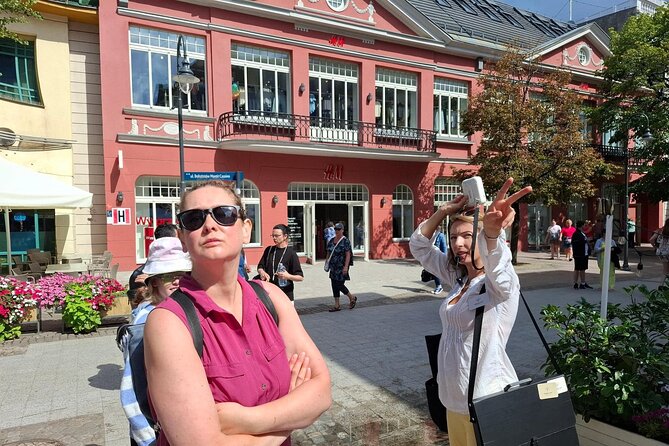
The tour starts at Bohaterow Monte Cassino, Sopot’s first pedestrian street in Poland. Long before it became a walkable center, this was the road that guided fishermen from the village toward the sea.
That shift—from working route to promenade—sets the tone for the whole walk. You’ll hear how the center evolved, with the guide sharing historical pictures so the changes feel real, not vague.
This stop is short and easy to absorb, and it’s free. The only practical consideration is that it’s a good “open your eyes” start, so arrive ready to look up as well as around.
Dworek Sierakowskich: the calm, off-the-beaten-track pause
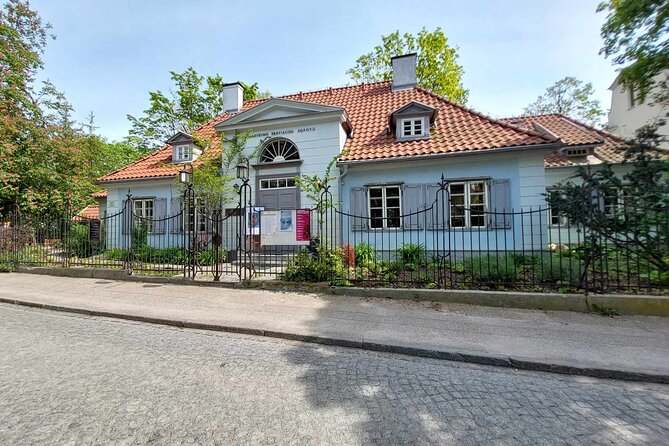
Next comes Dworek Sierakowskich, an 18th-century building that used to function as a guest house for a manor. It’s the kind of place that works as a breather: not just another facade, but a quieter pocket with a back garden feel.
What I like about stops like this is how they balance the big-name Sopot image. A seaside resort can sound all grand and gleaming, yet the history also includes smaller, calmer corners where you can see how people actually lived around the spa boom.
You’ll also get the story element: there’s a bust of Fryderyk Chopin, and it’s suggested he may have stayed and played piano here. It’s the sort of detail that makes a building feel human instead of museum-like.
Villas Street across a ravine: classic houses and Montmartre vibes
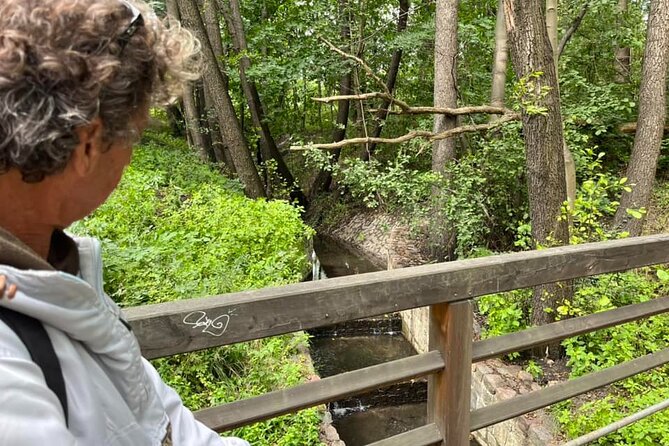
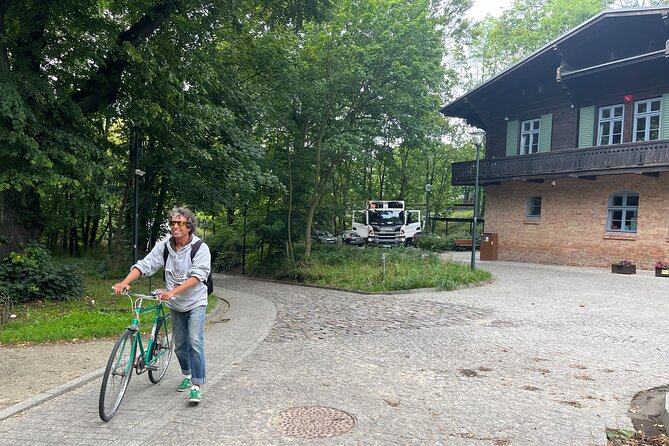
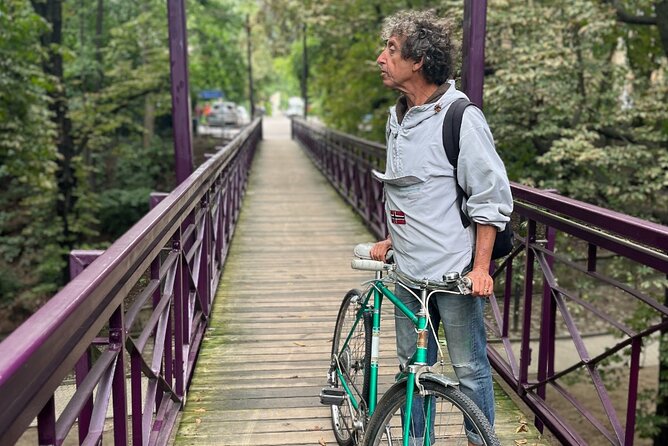
Then you cross a picturesque bridge over a deep ravine, and suddenly the scene feels more theatrical. The route takes you toward a street that was once called Villas Street, known for classical architecture and for the way its homes reflect status and leisure.
The oldest house there dates to 1881, and the appeal isn’t only age—it’s style. You’ll see how classical design shows up in a seaside setting, which helps you understand why Sopot became a resort magnet in the first place.
In the second part of the 20th century, this area earned the nickname Poland’s Montmartre. That label signals an artistic, slightly bohemian turn—less about seaside bathing, more about expression and neighborhood identity.
If you’re the type who enjoys architecture, this is a strong “slow down” section. Look for small details along the street, not just the overall look.
Goyki 3 Art Inkubator and Tower Villa’s spa-era logic
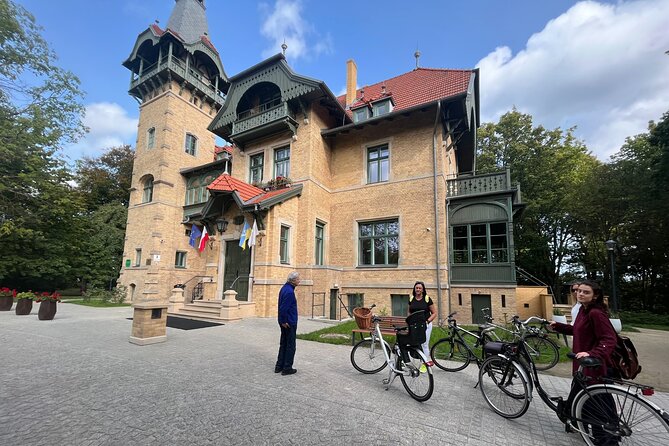
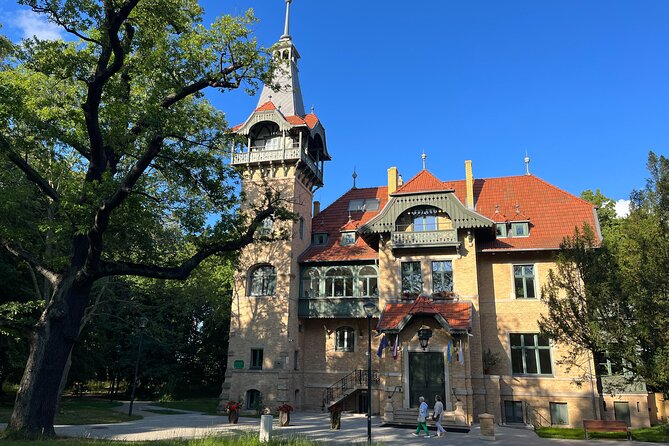
One of the most interesting stops is Goyki 3 Art Inkubator. The guide points out a large late-19th-century villa, including the Tower Villa, with a longer story that’s even described with a sad musical tone.
Today the building holds an art institution, and the fun part is the architectural question the guide asks: why does the building reference Alpine resort style, far from the Alps, in a seaside resort?
That’s where the spa context kicks in. The tour explains how European spa resort trends took off in the 18th century, and how Sopot tapped into that broader fashion of health, leisure, and stylish retreat. In other words, Sopot wasn’t copying the mountains—it was borrowing what people believed resort life should feel like.
This stop also includes free entry, so you’re paying for interpretation, not tickets. The only drawback is timing: since the whole tour is short, you may want to revisit this area later on your own if you fall for the building.
More Gdansk bike and e-bike tours along the waterfront
- Gdańsk: Highlights Bike Tour
★ 4.9 · 173 reviews - Gdansk Highlights Bicycle Tour
★ 5.0 · 65 reviews - Gdansk Private Bike Tour
★ 5.0 · 36 reviews - Gdansk Private Bike Tour
★ 5.0 · 21 reviews
Skwer Kuracyjny and Sofitel Grand Sopot: the Riviera of the North payoff
Sopot’s spa reputation isn’t just a slogan. The tour walks you toward Skwer Kuracyjny, a beautiful plaza created in 1925. Again, the guide uses old photos to show what Sopot looked like when it was known across Europe as the Riviera of the North.
If you’ve only seen Sopot in modern form, this kind of visual comparison is eye-opening. It helps you understand why the city’s architecture looks the way it does—built for visitors arriving with expectations of elegance, movement, and health.
From there, you head to Sofitel Grand Sopot, the majestic grand hotel right by the beach. The story connects the hotel’s splendor to Sopot’s own 1920s decision to invest in its resort identity. That means the hotel isn’t just a place to stay—it’s a marker of when Sopot started thinking bigger.
Practical note: you’ll likely be outside for parts of this segment, so dress for wind off the water. It’s a simple thing, but it changes how much you enjoy the stories.
Haffner Monument: who chose Sopot before it was famous
At Jan Jerzy Haffner Monument, the tour shifts from buildings to people. The guide ties together the town’s resort lifestyle—tennis courts, parks with trees, sandy beaches—and the backstory of the man credited like a town’s godfather.
Haffner is described as a surgeon who served in Napoleon’s army. The key point isn’t the military detail itself; it’s that he chose to live in Sopot long before most people even knew the area. That kind of early decision often shapes a place’s direction.
This stop is brief and free, but it adds a useful layer: Sopot’s resort rise wasn’t automatic. People acted first, then the city grew around those early commitments.
The artist thread: Dahlberg, graphics, and Sopot’s crooked charm
A great part of this tour is how it treats art as part of Sopot’s architecture scene, not a separate topic. The guide introduces a resident artist, Per Oscar Gustav Dahlberg, a Swedish artist who moved to Sopot in 1996 after falling for the place.
If you’re interested, the guide suggests you can stop by his house and studio, and you may be able to buy graphics or a Sopot or Gdańsk architecture album. The guide even mentions arranging a meeting, if it sounds interesting to you.
You’ll also connect Dahlberg to the famous crooked house design, said to be inspired by his drawings. It’s a nice example of how a city can mix spa grandeur with playful, artistic experiments—and why Sopot doesn’t feel like a copy-paste seaside town.
Changing Rooms of 1905 and the fishermen’s houses story
The tour ends next to the Changing Rooms built in 1905. These rooms come with funny stories, and the guide uses them to show how leisure infrastructure shaped daily life around the shoreline.
Right around this area, you’ll also hear about the small fishermen’s houses and the fact that they were gently relocated in the same year, 1905. That detail is a reminder: when resort culture grows, local life gets reshaped too.
This section helps you connect the earlier stops to the coastline. After all the architecture talk, you finally see how the city organized people’s movement—where visitors gathered, where locals lived, and what got moved for the new resort plan.
Pier and lighthouse: two choices, one view
At some point, the route passes by the famous pier. You’ll get the background so you can visit it after the tour if you want to linger.
Then the final stop is Sopot Lighthouse, included in the tour. The catch is effort: walking on the lighthouse steps might be tiring. The guide leaves it up to you, based on how you’re feeling.
If you go up, the view is described as worth it. If you skip the steps, you still get the story and the feel of the shoreline endgame. Either way, plan for wind and take your time on the approach.
Price and value: what $204 gets you in a private group
The price is $204.04 per group for up to 9 people, for a duration of about 1 hour 30 minutes to 2 hours. That’s not cheap in solo terms, but it becomes reasonable once you share it—especially compared with what you’d pay for separate private guiding costs.
Here’s where the value gets real:
- You’re not paying for entry fees. The tour describes multiple building stops with free admission, plus the lighthouse stop is included.
- You’re paying for interpretation. The guide ties spa architecture trends, changing resort culture, and building design into a route you can walk in a short visit.
- You’re getting small-group pacing. Private tours let you slow down where it matters and move on when you’re done.
Also, the tour is described as booked about 8 days in advance on average. That’s a good sign the timing usually works—still, if you travel in peak season or on a specific day, you’ll save stress by reserving sooner.
Who this tour suits best
This tour fits you well if you like:
- Architecture and design details you can spot right away
- City history that connects to how people lived and visited, not just dates
- A short, high-signal walking plan rather than a long museum day
- A guide who can balance detail with pacing
It’s also great if you’ve been to Sopot before but felt like you only scratched the surface. The route points out lesser-traffic corners and adds stories that make familiar streets feel new.
If you dislike walking or you know stairs tire you quickly, you can still enjoy most stops, just be realistic about the lighthouse section.
Should you book the Sopot private architect tour?
I’d book this if you want Sopot to feel understandable fast. The tour is short, private, and designed around spa architecture, historic street evolution, and architectural stories you can see on the ground.
You should think twice if you need a fully relaxed pace with minimal walking, or if the lighthouse steps sound like a bad idea for your body that day. But even then, you can treat the lighthouse as an optional finish.
If your goal is to leave with a stronger sense of why Sopot looks the way it does—beyond postcards—this tour is one of the better ways to get there in a couple of hours.
FAQ
How long is the Sopot private walking or bike tour with a local architect?
It lasts about 1 hour 30 minutes to 2 hours.
What does the tour cost, and how many people are in a group?
It costs $204.04 per group, up to 9 people.
Is pickup available, and where do we meet?
Pickup is offered. The start point is Restauracja McDonald’s, Bohaterów Monte Cassino 21, 81-706 Sopot, Poland, and the tour ends in a different location.
Is the tour offered in English?
Yes, it’s offered in English.
Are museum or attraction tickets included?
A few buildings are entered during the tour, and admission tickets listed for the stops are free. The guide also suggests visiting any museum you want separately.
Is the lighthouse included in the tour?
Yes. The tour includes a lighthouse stop, and the steps are optional since they may be tiring.
What is the cancellation window?
You can cancel for a full refund up to 24 hours in advance of the experience start time.
More Tour Reviews in Gdansk
- Gdańsk City Sights & History Guided Walking Tour in English★ 4.8 · 876 reviews
- Gdansk: Firearm Shooting Experience with Instructor★ 4.8 · 866 reviews
- Gdansk: Guided Round-Trip Cruise to Westerplatte★ 4.3 · 865 reviews
- Gdańsk: Sightseeing EcoCruise around the Old Town of Gdansk★ 4.6 · 719 reviews
- Main Town Gdańsk Walking Tour★ 5.0 · 644 reviews
More Gdansk Bike & E-Bike Tours
- Gdańsk: Highlights Bike Tour★ 4.9 · 173 reviews
- Gdansk Highlights Bicycle Tour★ 5.0 · 65 reviews
- Gdansk Private Bike Tour★ 5.0 · 36 reviews
- Gdansk Private Bike Tour★ 5.0 · 21 reviews
- Bike Tour Gdansk – Standard★ 4.0 · 8 reviews
More Main Town & Long Market Walks
- Gdańsk City Sights & History Guided Walking Tour in English★ 4.8 · 876 reviews
- Gdańsk: Sightseeing EcoCruise around the Old Town of Gdansk★ 4.6 · 719 reviews
- Main Town Gdańsk Walking Tour★ 5.0 · 644 reviews
- Discover Gdansk Walking Tour★ 5.0 · 495 reviews
- Historic City Center Tour Gdansk in German★ 4.6 · 455 reviews
Still deciding? Here are more Gdansk tours and Pomerania day trips we have written up
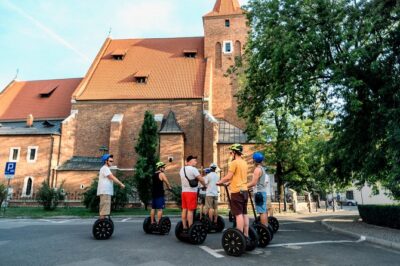

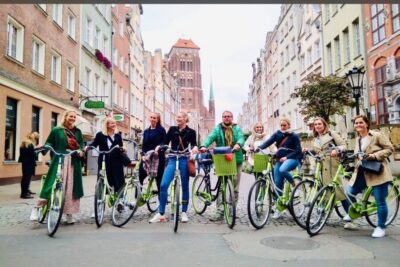
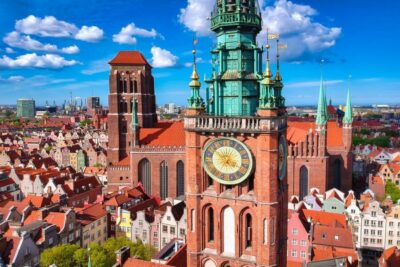

Gdansk Old Town & Main Town Walking Tours, compared.
 ★ 4.8Gdańsk City Sights & History Guided Walking Tour in EnglishFrom $26876 reviews
 ★ 4.6Sightseeing EcoCruise around the Old Town of GdanskFrom $19719 reviews
 ★ 5.0Main Town Gdańsk Walking TourFrom $26644 reviews
 ★ 5.0Discover Gdansk Walking TourFrom $6495 reviews
 ★ 4.6Historic City Center Tour Gdansk in GermanFrom $26455 reviews
 ★ 4.9Old Town Private Walking Tour with Legends and FactsFrom $107245 reviews
 ★ 4.5Gdansk Old Town 2-Hour Walking TourFrom $16794 reviews
 ★ 4.5Sunset on the Shipyard and Old Town Evening CruiseFrom $2586 reviews
Browse the lists this tour appears in