
Reviewed · GDANSK OLD TOWN & MAIN TOWN WALKING TOURS
Sightseeing Cruise around the Old Town of Gdansk
The Motława River turns Gdańsk into a living map. I like how this small, electric boat ride keeps things relaxed while you still cover real Old Town highlights in under an hour. You’ll glide past classic water gates and port landmarks from a perspective you simply don’t get on foot.
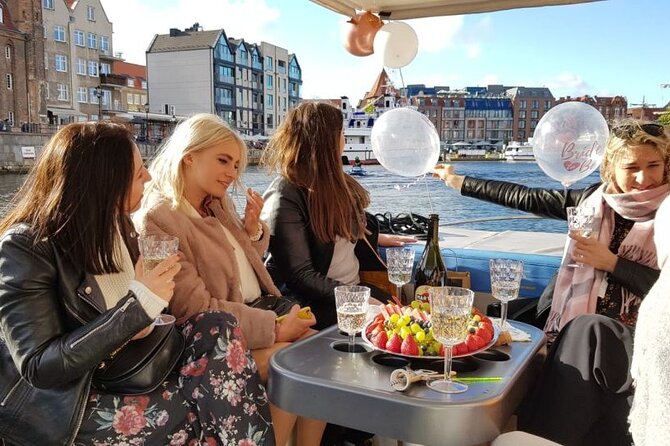
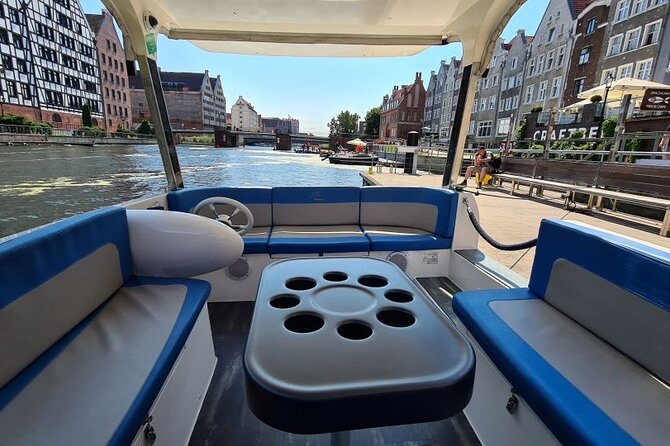
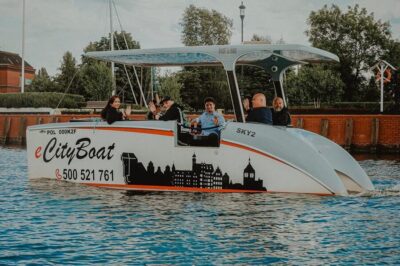
Two things I really appreciate: the English audio guide gives clear context as you pass major sights, and the boat setup is comfortable—padded seating with blankets and plush pillows plus a mini-bar if you want a drink during the cruise. It also has a solar-panel roof design that can help block some sun and rain.
One thing to keep in mind is timing and weather. This experience depends on good weather, and there have been a few cases of cancellations or missed departures when the boat had issues—so it’s smart to build in some flexibility.
In This Review
- Key highlights you’ll notice right away
- An electric Motława cruise with a solar roof and real comfort
- The English audio guide: what you’re seeing and why it mattered
- Green Bridge to Granaries Island: where trade storage becomes a walkable story
- The crane, fish market, and Brabank: a port that keeps changing shape
- Sołdek, Ołowianka, and museum views from the quay line
- Polish Hook and the Imperial Shipyard: raftsmen fires to iron steamers
- Price, timing, and what $21.62 buys you in real value
- Should you book this Gdańsk Old Town cruise?
- FAQ
- How long is the sightseeing cruise around the Old Town of Gdańsk?
- What does the cruise cost per person?
- Is there an audio guide, and what language is it in?
- What kind of boat is used?
- How many people are on the cruise at most?
- Do I need a printed ticket?
- Where does the cruise start, and does it end there?
- Is this activity weather-dependent?
- Can I cancel and get a full refund?
- Are service animals allowed, and is it generally suitable for most people?
Key highlights you’ll notice right away
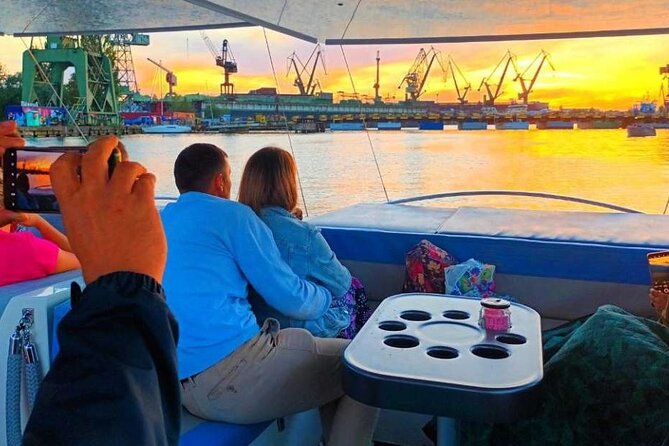
- Electric boat + quiet glide along the Motława for calmer sightseeing than busy streets
- English audio guide that helps you understand what you’re seeing as you pass landmarks
- Padded comfort with pillows and blankets, plus optional drinks from the mini-bar
- Solar-panel roof design that can reduce sun glare and help with light rain
- Pass-by sights that match the city’s trading past, from granaries and gates to shipyard remains
An electric Motława cruise with a solar roof and real comfort
Gdańsk looks great from land, but from the water it clicks—suddenly you see how the city was built around shipping, defense, and storage. This cruise runs about 50 minutes, and that short duration is a big part of the value. You get a concentrated hit of waterfront sights without committing to a full afternoon.
The boat is electric and described as eco-friendly, and you’ll feel that in the pace: no engine roar, just steady movement along the river. The seating is comfortable—think cushions, blankets, and a relaxed posture that makes a river view feel effortless instead of tiring.
A detail worth calling out is the solar-panel roof design. In practical terms, it can help with sun and rain (especially welcome if the sky decides to do something unpredictable). If you plan to cruise in shoulder season or in cool weather, the blankets matter more than you’d expect.
This is also a small-group experience with a maximum of 8 travelers, which makes it easier to settle in and keep your attention on the sights rather than squeezing through crowds.
More walks through the Main Town and the Long Market in Gdansk
The English audio guide: what you’re seeing and why it mattered
You’re not just staring at buildings as you float past them—there’s an English audio guide that explains the key points along the way. That matters because Gdańsk’s waterfront landmarks can look “just historic” if you don’t know what they were used for.
The cruise route focuses on the port system: water gates, warehouses, ship structures, and locations tied to trade. That’s why places like the crane and granary island feel so meaningful—you’re seeing the working city, not only the decorative one.
Even if you don’t listen to every minute of the audio, the guide helps you connect the dots. For example, the water gates you pass (including St. Mary’s Gate, Stragglers Gate, St. John’s Gate, and the Holy Spirit Gate) weren’t random stonework. They were part of how Gdańsk controlled access to the river and protected its economic lifeline.
I also like that the audio approach fits the cruise’s rhythm. With 50 minutes, you don’t need a long lecture—you need short, timely explanations that you can absorb while your view keeps moving.
Green Bridge to Granaries Island: where trade storage becomes a walkable story
The Green Bridge is the starting thread that leads you toward Granaries Island. It connects the historic center with the granary district, and it has a history that’s more interesting than the name suggests. Before the 19th century, the bridge was partly wooden, and it was called the Green Bridge likely because of the paint color—later, when reconstructed into a steel structure, the original color faded but the name stayed. It also functioned as a drawbridge until the end of World War II, so it’s tied to a working river rather than a purely decorative crossing.
From there, you’ll focus on Granaries Island (spanning about 2.5 kilometers long and roughly 300 meters wide at its widest). This narrow strip of land was a storage powerhouse for centuries, with nearly 360 granaries used for grain and other traded materials like wood, resin, and ash. The takeaway for you: when you see the waterfront today, you’re looking at the physical footprint of a trading machine.
One practical advantage of seeing Granaries Island from the river: you can read the shape of the place. From a bridge or street, the waterfront can feel disconnected. From the boat, you understand how the island sits between arms of the Motława and why it was efficient for cargo.
The cruise also includes passing the Granaries area after those former warehouses were transformed into a more modern, stylish neighborhood. That contrast—old storage infrastructure to newer life—makes the view feel like a snapshot of how cities reuse space.
The crane, fish market, and Brabank: a port that keeps changing shape
A major payoff of this cruise is seeing the red brick crane from the water. This isn’t just a pretty landmark. It was the most powerful of Gdańsk’s water gates, serving both defense and port-crane functions. After expansion in the 15th century, it became one of the largest structures of its kind in medieval Europe.
Here’s the kind of detail that makes the audio guide worth it: the crane mechanism used two pairs of large walking wheels mounted on common axes, operated by workers walking inside them. With pulley ropes, the system could lift a weight of up to two tons. Even if you don’t fully picture how it worked on first listen, you’ll still appreciate what the structure represents—a city engineering system powered by people and mechanics.
Next, you’ll pass the Fish Market area near the castle walls. The story here goes back to the 14th century when the Teutonic Knights allowed fresh fish sales in the square, while securing priority for their own choices. Fishermen from Gdańsk, Wisłoujście, and Hel sold catches there—so it was a key distribution spot, not an occasional market.
Then there’s Brabank: modern residential buildings at the mouth of the Radunia Canal as it flows into the Motława. This contrast matters. You’re not only seeing monuments; you’re seeing how the riverfront keeps getting repurposed. One moment you’re in a medieval shipping zone, and the next you’re looking at modern living space where trade and movement used to define the waterfront.
Sołdek, Ołowianka, and museum views from the quay line
The cruise route includes the Ołowianka Footbridge area, and you’ll also pass around the quay zone tied to the ship Sołdek. The s/s Sołdek is described as the first Polish ship built after World War II in the Gdańsk shipyard, and its name ties back to a worker, stevedore Stanisław Sołdek. The hull has visible rivets used to join the ship’s elements, totaling over 300,000 rivets—again, a technical detail that helps you see that this place is about real shipbuilding, not just heritage façades.
Sołdek also connects to the broader museum presence along the water. The overview of the cruise specifically calls out the Soldek Museum and the World War II Museum as sights you can admire from the river. Even without stepping inside, you’ll get a clear idea of where the city asks you to remember and reflect—and you’ll see why the waterfront is such a fitting place for those stories.
This part of the cruise is also where the experience feels most “easy mode.” You’re not trying to interpret street-level architecture while walking. You’re sitting, listening, and letting the quay line come to you.
If you care about photographs, aim to position yourself so your camera faces sideways for longer stretches. With a 50-minute time window, you want fewer “quick snap” moments and more clean sightlines.
More Motlawa river cruises past the old Crane in Gdansk
- Gdansk: Guided Round-Trip Cruise to Westerplatte
★ 4.3 · 865 reviews - Gdańsk: Motlawa River Yacht Cruise
★ 4.6 · 272 reviews - Gdansk Guided City Cruise on Historical Polish Boat
★ 4.5 · 230 reviews - Gdańsk: Motława River Eco Cruise at Sunset with Prosecco
★ 4.8 · 142 reviews
Polish Hook and the Imperial Shipyard: raftsmen fires to iron steamers
One of the more vivid stops is the headland historically called the Polish Hook, located where the Motława meets the Martwa Wisła. This wasn’t mainly about decorative waterfront views. It was about floating goods into Gdańsk and what happened when rafts arrived after long trips.
Raftsmen set up camps there after weeks floating with grain to Gdańsk, and Gdańsk merchants would come to inspect and purchase the imported grain. Townspeople also visited the headland for non-commercial reasons. The story isn’t all commerce, either—raftsmen singing, playing, and dancing around bonfires added a kind of human energy to the place, especially at the end of a long journey.
That’s the kind of detail that makes the cruise feel like more than sightseeing. You’re not just moving past points on a map—you’re seeing how people lived through the logistics of a trading city.
Finally, you’ll pass the Imperial Shipyard area. In the 19th century, it began as a corvette repair workshop tied to the needs of the Gdańsk Navigational School. The workshop expanded into building steamers, initially wooden and then iron. Over time, workshops, warehouses, a forge, foundry, and office buildings were added. The former workshops became the Royal Shipyard, and after the unification of Germany in 1871, it became the Imperial Shipyard.
If you like industrial architecture or the way cities evolve their waterfront use, this is where the cruise earns its keep. The river isn’t a backdrop. It’s the reason the city had this kind of work, scale, and infrastructure.
Price, timing, and what $21.62 buys you in real value

At $21.62 per person for an about 50-minute electric cruise, the value comes from concentration. You’re paying for a fast way to see multiple signature waterfront landmarks—water gates, granaries, crane structures, ship-related spots—without walking from place to place in one continuous chunk.
The small-group size (maximum 8) also pushes this toward “good deal” territory. Cheaper options in big cities often mean you’re fighting for position. Here, you’re usually able to settle in and actually watch the waterfront roll by.
A detail to plan around: this experience works best with good weather. The description explicitly notes good weather is required, and if canceled due to poor weather you should be offered another date or a full refund. Still, the trip can also be affected by boat issues and seasonal operations, so it’s wise to keep your schedule flexible if you’re traveling during a shoulder season.
Based on the booking pace—often booked about 7 days in advance—I’d suggest reserving ahead if you’re going in a busy period or want a specific day. The confirmation arrives at booking, and you’ll receive a mobile ticket, which keeps your day simple.
Should you book this Gdańsk Old Town cruise?
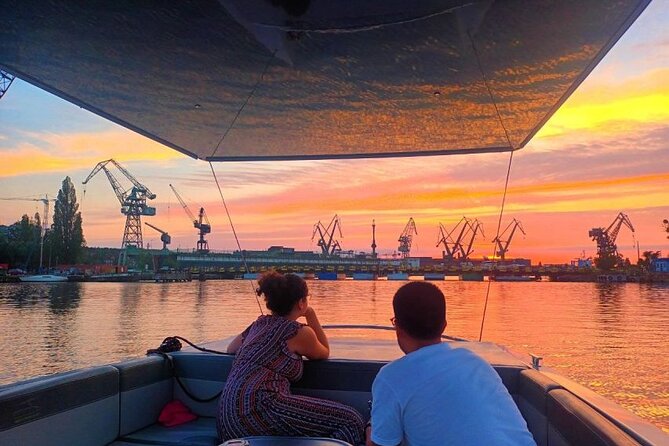
I’d book it if you want a calm, efficient way to see Gdańsk’s waterfront—especially if you enjoy port history, cranes, bridges, and the way cities reuse industrial spaces. The combination of electric boat comfort, English audio context, and the tightly packed waterfront route makes it a smart use of time.
I’d skip or think twice if weather is unreliable in your travel window or if you’re the type who hates schedule uncertainty. There are a few negative experiences in the record tied to cancellations and no-shows, including refund timing frustrations, so you’ll want a little buffer in your itinerary.
If you decide to go, do yourself a favor: wear layers, bring a charged phone/camera, and pick a seating spot that lets you see sideways for the biggest stretches. With only 50 minutes, good positioning really helps.
FAQ
How long is the sightseeing cruise around the Old Town of Gdańsk?
The cruise duration is about 50 minutes.
What does the cruise cost per person?
The price is listed as $21.62 per person.
Is there an audio guide, and what language is it in?
Yes. An audio guide in English is available for the cruise information.
What kind of boat is used?
The cruise uses an eco-friendly electric boat.
How many people are on the cruise at most?
The activity has a maximum of 8 travelers.
Do I need a printed ticket?
No. The tour uses a mobile ticket.
Where does the cruise start, and does it end there?
It starts at Powroźnicza 13/15, 80-828 Gdańsk, Poland, and it ends back at the meeting point.
Is this activity weather-dependent?
Yes. It requires good weather, and if it’s canceled due to poor weather you’ll be offered a different date or a full refund.
Can I cancel and get a full refund?
Free cancellation is available up to 24 hours in advance of the experience start time for a full refund.
Are service animals allowed, and is it generally suitable for most people?
Service animals are allowed, and most people can participate. The meeting point is also near public transportation.
More Tour Reviews in Gdansk
- Gdańsk City Sights & History Guided Walking Tour in English★ 4.8 · 876 reviews
- Gdansk: Firearm Shooting Experience with Instructor★ 4.8 · 866 reviews
- Gdansk: Guided Round-Trip Cruise to Westerplatte★ 4.3 · 865 reviews
- Gdańsk: Sightseeing EcoCruise around the Old Town of Gdansk★ 4.6 · 719 reviews
- Main Town Gdańsk Walking Tour★ 5.0 · 644 reviews
More Motlawa River Cruises & Boat Tours
- Gdansk: Guided Round-Trip Cruise to Westerplatte★ 4.3 · 865 reviews
- Gdańsk: Sightseeing EcoCruise around the Old Town of Gdansk★ 4.6 · 719 reviews
- Gdańsk: Motlawa River Yacht Cruise★ 4.6 · 272 reviews
- Gdansk Guided City Cruise on Historical Polish Boat★ 4.5 · 230 reviews
- Gdańsk: Motława River Eco Cruise at Sunset with Prosecco★ 4.8 · 142 reviews
More Main Town & Long Market Walks
- Gdańsk City Sights & History Guided Walking Tour in English★ 4.8 · 876 reviews
- Gdańsk: Sightseeing EcoCruise around the Old Town of Gdansk★ 4.6 · 719 reviews
- Main Town Gdańsk Walking Tour★ 5.0 · 644 reviews
- Discover Gdansk Walking Tour★ 5.0 · 495 reviews
- Historic City Center Tour Gdansk in German★ 4.6 · 455 reviews
Still deciding? Here are more Gdansk tours and Pomerania day trips we have written up


Gdansk Old Town & Main Town Walking Tours, compared.
 ★ 4.8Gdańsk City Sights & History Guided Walking Tour in EnglishFrom $26876 reviews
 ★ 4.6Sightseeing EcoCruise around the Old Town of GdanskFrom $19719 reviews
 ★ 5.0Main Town Gdańsk Walking TourFrom $26644 reviews
 ★ 5.0Discover Gdansk Walking TourFrom $6495 reviews
 ★ 4.6Historic City Center Tour Gdansk in GermanFrom $26455 reviews
 ★ 4.9Old Town Private Walking Tour with Legends and FactsFrom $107245 reviews
 ★ 4.5Gdansk Old Town 2-Hour Walking TourFrom $16794 reviews
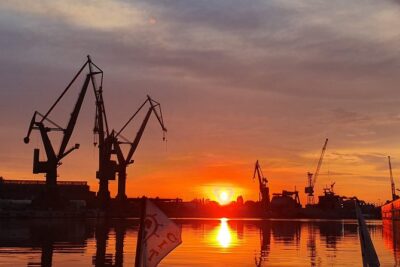 ★ 4.5Sunset on the Shipyard and Old Town Evening CruiseFrom $2586 reviews
Browse the lists this tour appears in