
Reviewed · GDANSK OLD TOWN & MAIN TOWN WALKING TOURS
Main City in Gdańsk – tour in Polish
Gdańsk has a talent for surprises. This Polish walking tour moves from the city’s trading wealth to its hard edges, with stops at the Prison Tower and Torture Chamber, plus the Great Armory, Artus Court, and the Main Town Hall. I love how the stories tie places to big events, and I also like the guide energy—humor and seriousness where they fit—so history feels like it’s happening in real time. One drawback: it’s a walking tour, so if weather is rough (snow, wind), plan to dress for it.
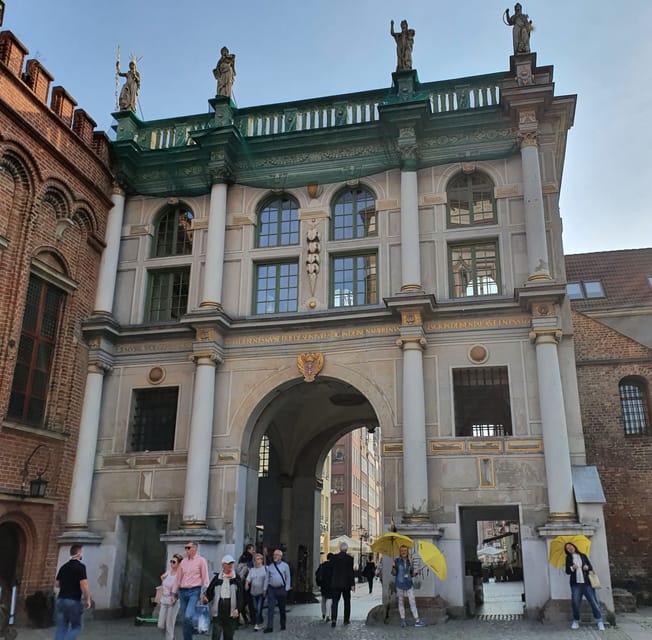
You’ll start at an easy-to-find landmark, the Golden Gate (Złota Brama)—look for yellow umbrellas. I also like that you get a focused 150-minute route, not a half-day of wandering, which helps when you’re trying to hit other sights too.
If you prefer tours that are only lightweight and scenic, this might feel heavier in spots—those prison and torture stops don’t sugarcoat the past. Still, that balance is exactly why it’s worth doing if you want Gdańsk as a real city, not just a postcard.
In This Review
- Key highlights that make this tour worth your time
- Getting your bearings at Złota Brama and a 150-minute pace
- Gdańsk in context: port power, amber, and famous natives
- Prison Tower and Torture Chamber: history you can’t skip past
- The Great Armory: where civic wealth met defense thinking
- Artus Court: a civic meeting room built on commerce
- Main Town Hall: municipal power in stone
- The guide makes the difference: Polish storytelling you can follow
- Price and value: $26, then “pay what you see fit”
- Weather and comfort: plan for the walk
- Should you book the Main City in Gdańsk tour (Polish)?
- FAQ
- What is the duration of the tour?
- Where is the meeting point?
- What sights are included?
- What language is the guide?
- Is the tour wheelchair accessible?
- How much does it cost?
- Is there free cancellation?
Key highlights that make this tour worth your time
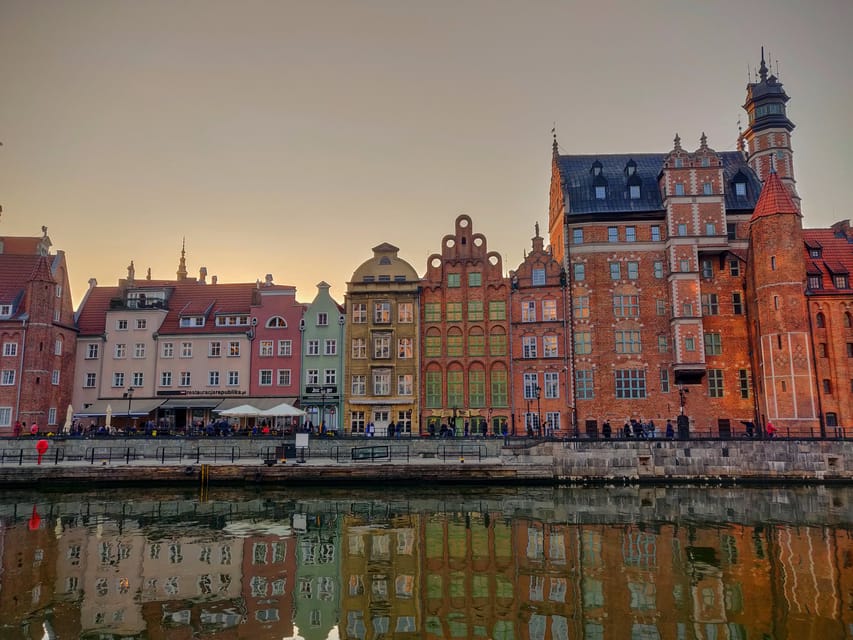
- Prison Tower and Torture Chamber: the city’s fear and justice system, in concrete details
- Great Armory: how wealth and defense-minded thinking sat side by side
- Artus Court: a meeting place that connects politics, commerce, and civic identity
- Main Town Hall: the center of municipal power you can actually stand in front of
- Polish guides with strong delivery: expressive storytelling and lots of space for questions
Getting your bearings at Złota Brama and a 150-minute pace
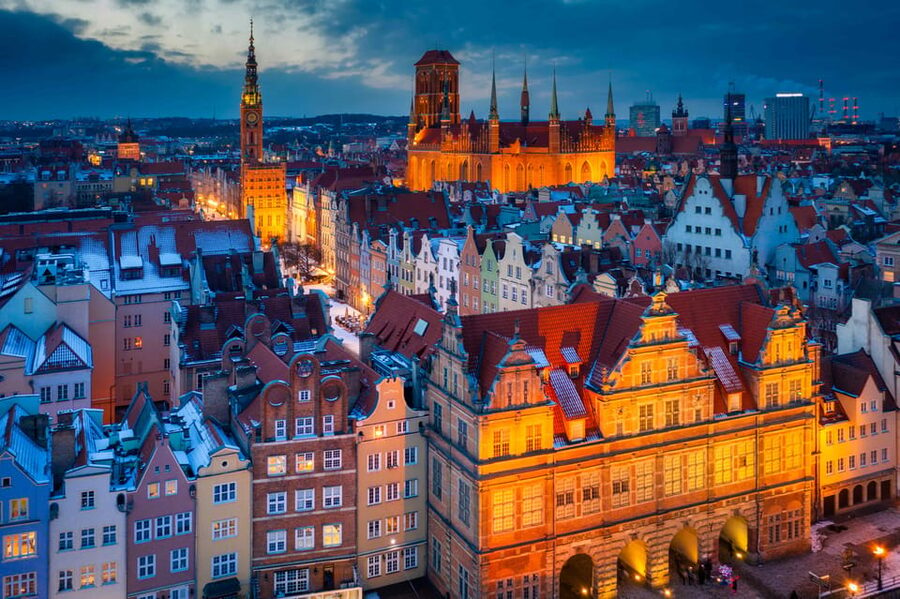
This tour is built for a clean, historic walk. You meet at the Golden Gate (Złota Brama), and the giveaway is simple: yellow umbrellas. That matters more than it sounds, because Gdańsk can look deceptively easy to navigate, especially around the old waterfront streets and gates.
The timebox is 150 minutes. That’s long enough to learn the “why” behind the sights, but short enough that you can still keep your day flexible. If you’ve got other plans—museums, a meal, a longer waterfront stroll—this kind of structured window helps you avoid the slow drift that happens with self-guided wandering.
You’re with a live guide, and the tour runs in Polish. If you don’t speak Polish, you’ll still catch a lot from the visuals and delivery, but the full payoff is for people who want to hear the story in the original language.
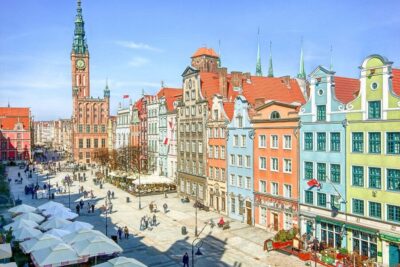
More walks through the Main Town and the Long Market in Gdansk




Gdańsk in context: port power, amber, and famous natives
What makes Gdańsk so much fun to tour is that it never “stays put” in one era. The city grew wealthy through trade routes that connected it to many corners of Europe. That’s why the people who called it home—often referred to as Danzigers—weren’t just merchants in the abstract. They were shaping a port city that could sell, supply, and influence.
Grain and wood moved through the city as the Baltic turned into a highway. And then there’s amber, the so-called gold of the Baltic Sea. When you know that amber and shipping mattered, it becomes easier to understand why you see so many civic and commercial landmarks along the way: power here wasn’t only about kings. It was also about money, shipping, and the rules wealthy traders negotiated.
The tour’s background also threads through major historical turning points. Names linked to Gdańsk are part of the story arc, including Daniel Fahrenheit, Arthur Schopenhauer, and Günter Grass. That gives the city a human scale, not only a political one.
And Gdańsk isn’t just “old.” Napoleon’s creation of the first Free City of Danzig is mentioned with the line Gdansk is the key to everything. Later, the city becomes a setting for Nazi power, with a major NSDAP presence. There’s also an early World War II armed clash tied to defending the Polish Post Office in the Free City of Gdańsk. If you’ve never heard how this city fits into those dates, the tour helps you connect the dots without turning it into a lecture that goes nowhere.
Finally, the story doesn’t stop with wartime. The shipyard workers’ strike led by Lech Wałęsa is brought in as part of how the end of communism accelerated in this region. So the city’s “why” isn’t only about suffering—it’s also about organized resistance and change.
Prison Tower and Torture Chamber: history you can’t skip past
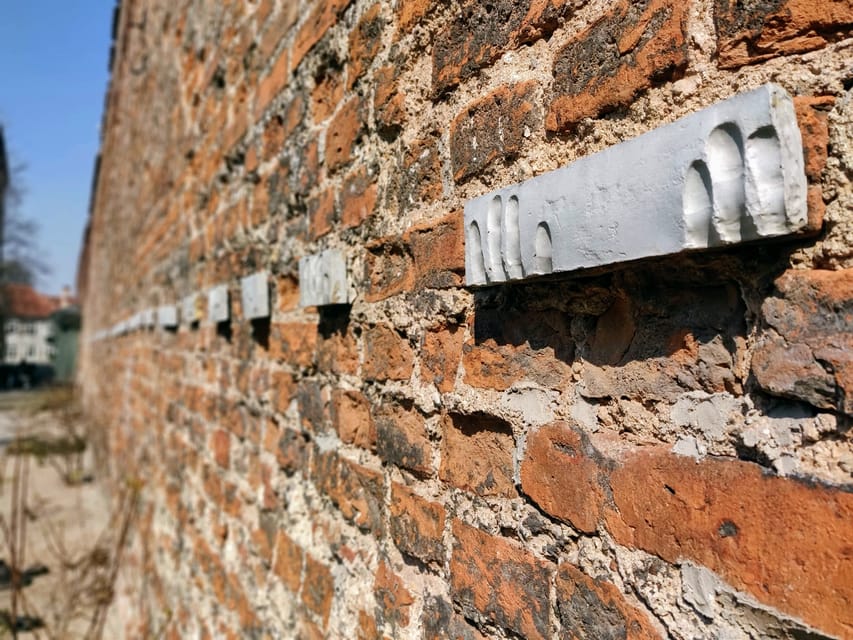
If you want the tour’s emotional spine, it’s the stop at the Prison Tower and Torture Chamber. Places like this do two useful things for you as a visitor: they prevent history from staying polite, and they show you how systems of control worked in a city that was otherwise driven by trade and civic life.
This is where the guide’s delivery style matters. In the reviews, guides are praised for mixing humor with serious tone depending on the stop—so you don’t get forced levity where it shouldn’t be. You also get a lot of answering of questions, which helps when you’re trying to interpret what you’re seeing and why it was used.
Practical note: wear layers and expect you may need a bit more patience here. It’s not just a “look at a building” moment. You’re learning what this space meant, and your brain will naturally slow down.
Also, think about your own comfort level. If you dislike heavy topics, you might want to keep this stop in mind for when you’re mentally ready. Still, skipping it means missing the part of Gdańsk that makes the rest of the city intelligible. You can’t understand civic power or social conflict without knowing what the city could do to people.
The Great Armory: where civic wealth met defense thinking
Next up is the Great Armory. This stop is valuable because it flips a common assumption: trade cities weren’t only about peaceful commerce. They also needed muscle, planning, and organization—especially in a region shaped by changing borders and outside pressures.
When a guide ties the armory to the city’s wealth and strategic location, you start to see the logic in the stone. The buildings around you aren’t random. They reflect what Gdańsk could afford, what it feared, and how it prepared.
I like this part of the tour because it helps you read the city like a system. Trade brought resources; resources supported institutions; institutions defended interests. That chain is what the armory visually supports.
If you’re the type who likes “why this building exists,” you’ll probably feel satisfied here. And if you’re the type who needs context before you get excited, this is one of the places where context really lands.
Artus Court: a civic meeting room built on commerce
The Artus Court is one of those stops that sounds like a name, but it’s really a function. It’s connected to the kind of social and political life wealthy residents built around commerce. This is where you stop thinking only about gates and towers and start picturing how people met, negotiated, and shaped the city’s direction.
In a good tour, this isn’t just a photo stop. It becomes a story about how business culture and civic identity overlap. In the reviews, guides are repeatedly praised for passion and for keeping strong contact with the group, so you don’t get left behind while the explanation turns more social and less dramatic.
What I find helpful for you here: try to look past the wow-factor and notice the mood. Court spaces often feel like the “middle stage” between private wealth and public action. If you’ve ever wondered how a port city converted money into influence, this is one of the clearest ways to grasp it.
Also, this is a great stop if you like anecdotes. The guides are described as using humor where appropriate, and Artus Court tends to be the kind of location that invites that tone—without turning the facts into jokes.
More Gdansk city tours to fill a Baltic morning
- Gdańsk City Sights & History Guided Walking Tour in English
★ 4.8 · 876 reviews - Gdansk: City Sightseeing Tour by Golf Cart/Buggy Guided Tour
★ 4.9 · 510 reviews - Historic City Center Tour Gdansk in German
★ 4.6 · 455 reviews - Gdansk: Shared or Private City Tour Sightseeing By Golf Cart
★ 4.8 · 233 reviews
Main Town Hall: municipal power in stone
The Main Town Hall is where the tour brings everything into focus: the city as a working machine. This isn’t just a pretty landmark. It represents how Gdańsk organized itself—law, administration, and civic authority in the center of town.
A strong guide will connect it back to the bigger historical themes mentioned at the start: wealthy traders shaping the city, political shifts changing who held power, and later the city’s role in extreme conflicts. When that connection is made, you start to understand why a town hall can feel like a power symbol even to a visitor with no local documents.
This stop also works well for wrapping up your mental map of the route. After prison, armory, and court life, the town hall helps you see the civic structure behind it all. It’s the difference between “events happened here” and “systems operated here.”
If you’ve got limited time in Gdańsk, this is a sight that can keep paying you back after the tour ends—because it gives you a reference point for where you are when you walk through the old town on your own later.
The guide makes the difference: Polish storytelling you can follow
This tour is led by live guides who speak Polish, and the reviews put a big spotlight on communication style. Names show up in feedback like Kasia “Dynamit,” Marcin, and Klaudia, and the recurring theme is clear: passionate storytelling, lots of factual detail, and a sense of rhythm—humor and seriousness toggled depending on the location.
I’d take that seriously. In Gdańsk, a lot of the buildings can look similar at first glance—gates, façades, old stone lines. A guide who can point out what to notice makes the difference between a “pretty walk” and a “now I understand the city.”
You’ll also appreciate guides who handle questions well. Multiple review comments mention that group questions were answered thoroughly, in a way that didn’t derail the tour. That’s a practical win: you don’t have to choose between listening and asking.
For your own planning, here’s the mindset to bring: don’t treat the tour as only sightseeing. Treat it as guided reading. If you listen for the links the guide draws—trade to civic buildings, defense to institutional spaces, conflict to specific locations—you’ll walk away with a city that feels less random.
Price and value: $26, then “pay what you see fit”
The listed price is $26 per person, and the tour runs on a pay-what-you-see-fit model. That means your booking through GetYourGuide includes a tip for the guide, and your final “worth it” judgment is part of the process.
So is $26 a good deal? In my view, it’s in the right range for what you get: a 150-minute guided walk through several major historic anchors, all tied together by a guide who can answer questions. If you’re the kind of traveler who likes to understand how the pieces connect, you’re paying for interpretation, not just access to buildings.
If you’re budget-tight, it also helps that the tour gives you a compact “core Gdańsk” orientation. It can save you time later, because you’ll know what to prioritize when you explore on your own.
One practical consideration: because the topic includes prison and torture, it’s not a purely feel-good walk. If you’re only interested in architecture and views, you might feel the value differently. If you want the whole story, the value tends to land better.
Weather and comfort: plan for the walk
One review specifically calls out snow and wind, and the tour still worked out well. That tells me two things for you: the route is outdoors enough that weather matters, and guides can adapt even when conditions are miserable.
So don’t show up in just a light jacket and hope. Bring layers, a hat, and comfortable shoes with good grip. Even a “150-minute” walking tour can feel longer if you’re cold and distracted.
Also, if you want photos, remember that heavy wind or snow can make hands shaky and lens swaps slower. Better to focus on learning the story, then snap a few steady shots.
Should you book the Main City in Gdańsk tour (Polish)?
Book it if you want a structured way to understand Gdańsk, not just a checklist of sights. The combination of Prison Tower and Torture Chamber, Great Armory, Artus Court, and the Main Town Hall gives you both the scary and the civic sides of the city, all within a smart 150-minute window.
Skip it if your top priority is light, scenic sightseeing with minimal heavy context. This route includes difficult themes, and the guide makes sure you understand them.
If you do book: show up ready to listen, dress for the outdoors, and come with at least one question. Tours like this get better when you treat them as a conversation, not a recording.
FAQ
What is the duration of the tour?
The tour lasts 150 minutes.
Where is the meeting point?
You meet at the Golden Gate (Złota Brama). Look for yellow umbrellas.
What sights are included?
The highlights include the Prison Tower and Torture Chamber, the Great Armory, Artus Court, and the Main Town Hall in Gdańsk.
What language is the guide?
The live guide speaks Polish.
Is the tour wheelchair accessible?
Yes, the tour is wheelchair accessible.
How much does it cost?
The price is listed as $26 per person, and it operates on a pay what you see fit model through the booking.
Is there free cancellation?
Yes. You can cancel up to 24 hours in advance for a full refund.
More Gdansk Sightseeing by Day
- Gdańsk City Sights & History Guided Walking Tour in English★ 4.8 · 876 reviews
- Gdansk: City Sightseeing Tour by Golf Cart/Buggy Guided Tour★ 4.9 · 510 reviews
- Historic City Center Tour Gdansk in German★ 4.6 · 455 reviews
- Gdansk: Shared or Private City Tour Sightseeing By Golf Cart★ 4.8 · 233 reviews
- Gdansk Guided City Cruise on Historical Polish Boat★ 4.5 · 230 reviews
More Tour Reviews in Gdansk
- Gdańsk City Sights & History Guided Walking Tour in English★ 4.8 · 876 reviews
- Gdansk: Firearm Shooting Experience with Instructor★ 4.8 · 866 reviews
- Gdansk: Guided Round-Trip Cruise to Westerplatte★ 4.3 · 865 reviews
- Gdańsk: Sightseeing EcoCruise around the Old Town of Gdansk★ 4.6 · 719 reviews
- Main Town Gdańsk Walking Tour★ 5.0 · 644 reviews
More Main Town & Long Market Walks
- Gdańsk City Sights & History Guided Walking Tour in English★ 4.8 · 876 reviews
- Gdańsk: Sightseeing EcoCruise around the Old Town of Gdansk★ 4.6 · 719 reviews
- Main Town Gdańsk Walking Tour★ 5.0 · 644 reviews
- Discover Gdansk Walking Tour★ 5.0 · 495 reviews
- Historic City Center Tour Gdansk in German★ 4.6 · 455 reviews
Still deciding? Here are more Gdansk tours and Pomerania day trips we have written up

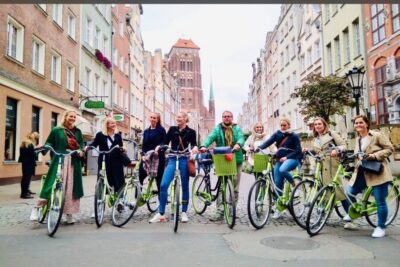
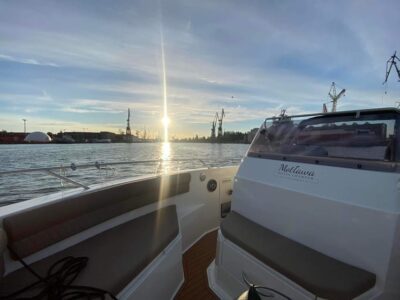
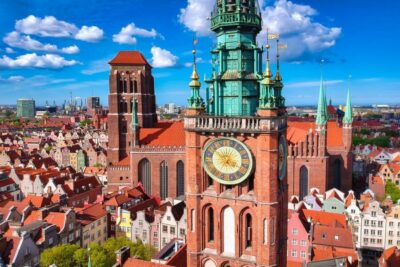

Gdansk Old Town & Main Town Walking Tours, compared.
 ★ 4.8Gdańsk City Sights & History Guided Walking Tour in EnglishFrom $26876 reviews
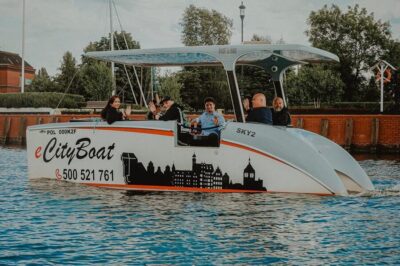 ★ 4.6Sightseeing EcoCruise around the Old Town of GdanskFrom $19719 reviews
 ★ 5.0Main Town Gdańsk Walking TourFrom $26644 reviews
 ★ 5.0Discover Gdansk Walking TourFrom $6495 reviews
 ★ 4.6Historic City Center Tour Gdansk in GermanFrom $26455 reviews
 ★ 4.9Old Town Private Walking Tour with Legends and FactsFrom $107245 reviews
 ★ 4.5Gdansk Old Town 2-Hour Walking TourFrom $16794 reviews
 ★ 4.5Sunset on the Shipyard and Old Town Evening CruiseFrom $2586 reviews
Browse the lists this tour appears in