
Reviewed · GDANSK OLD TOWN & MAIN TOWN WALKING TOURS
Gdansk: Jewish Heritage Guided Private Walking Tour
Gdansk hides a Jewish story in plain sight. I love how this private walk stitches together Old Town sights with the lives of Polish Jews over centuries, and I especially love the stop at the Jewish cemetery, where the setting feels real and grounded.
One drawback to plan for: entrances aren’t included, so depending on what you want to go into, you may need to budget a bit extra. It’s also a focused 4-hour walking tour, so comfy shoes help—this isn’t a sit-and-watch kind of outing.
In This Review
- Key Things You’ll Notice on This Gdansk Jewish Heritage Tour
- Walking the Trail of Jewish Monuments in Gdansk’s Old Town
- Great Synagogue Site, Granary Island, and the Ghetto Footprints
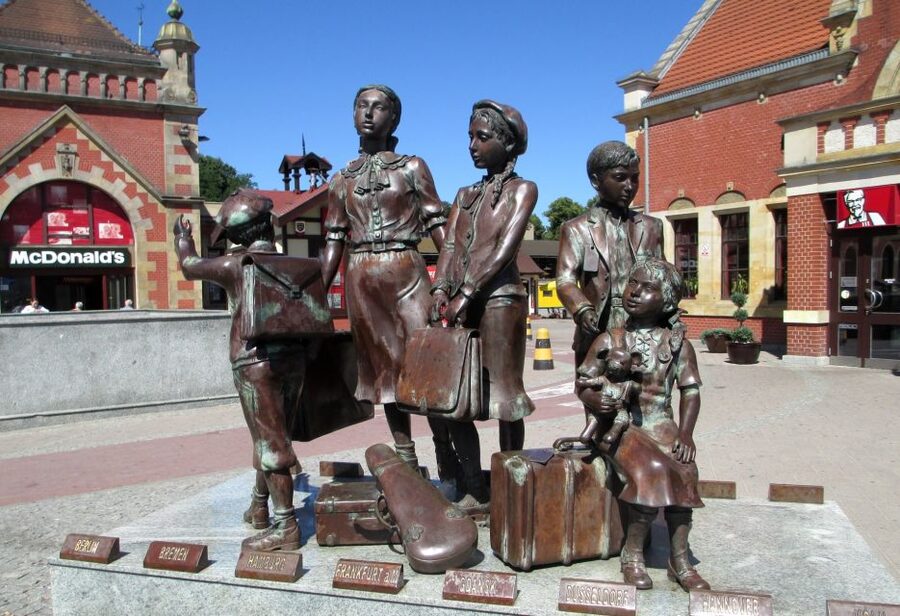
- Kindertransports Monument and Jewish Theatre in the Streets
- Jewish Cemetery: Original Walls, Gate, and Graves
- Kristallnacht Story and the New Synagogue in Wrzeszcz (1926)
- The Practical Flow: What 4 Hours Feels Like
- Price and Value: Is $60 per Person Fair?
- Who Should Book This Jewish Heritage Walking Tour
- Should You Book This Gdansk Jewish Heritage Tour?
- FAQ
- How long is the Jewish Heritage Guided Private Walking Tour in Gdansk?
- Is this tour private?
- Does the tour include hotel pickup and drop-off?
- What’s the price per person?
- Are entrances included?
- What sites are included on the tour?
- Which languages is the live guide available in?
- Is the tour wheelchair accessible?
Key Things You’ll Notice on This Gdansk Jewish Heritage Tour
- Private, hotel-based start: Your guide meets you at your hotel lobby, then takes it from there.
- A “Trail of Jewish Monuments” route: You’re shown places connected to everyday life, not just big name landmarks.
- Great Synagogue history, including Kristallnacht: You hear how Jewish veterans helped protect the synagogue during a turning point night.
- Granary Island and the ghetto footprint: The tour places the Holocaust story in specific locations you can stand in front of.
- The Jewish cemetery is the emotional anchor: Original walls, an entrance gate, and graves add weight to everything you learn.
- End at the New Synagogue in Wrzeszcz (built 1926): It’s the sole remaining synagogue in the city.
Walking the Trail of Jewish Monuments in Gdansk’s Old Town
This tour works because it treats history like a walk you can follow. You start in Gdansk with a guide who helps you read the city’s older bones—architecture, street corners, and key sites—through a Jewish lens. Instead of only talking dates, you’re guided to places tied to how people lived, worked, prayed, and built community.
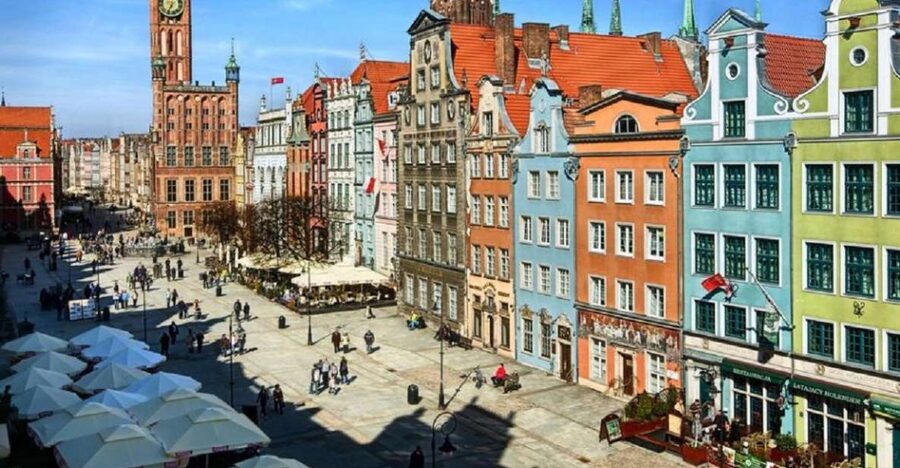
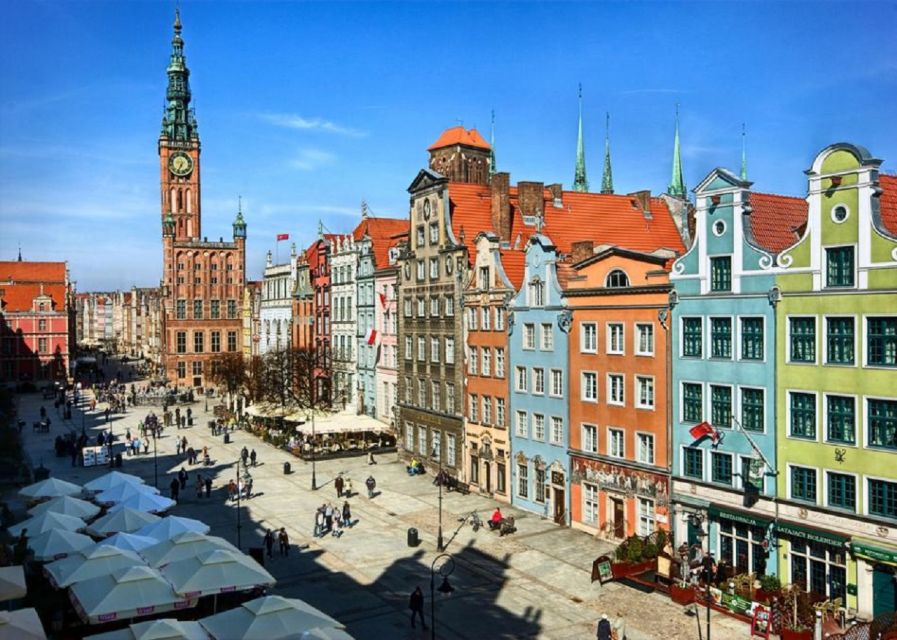
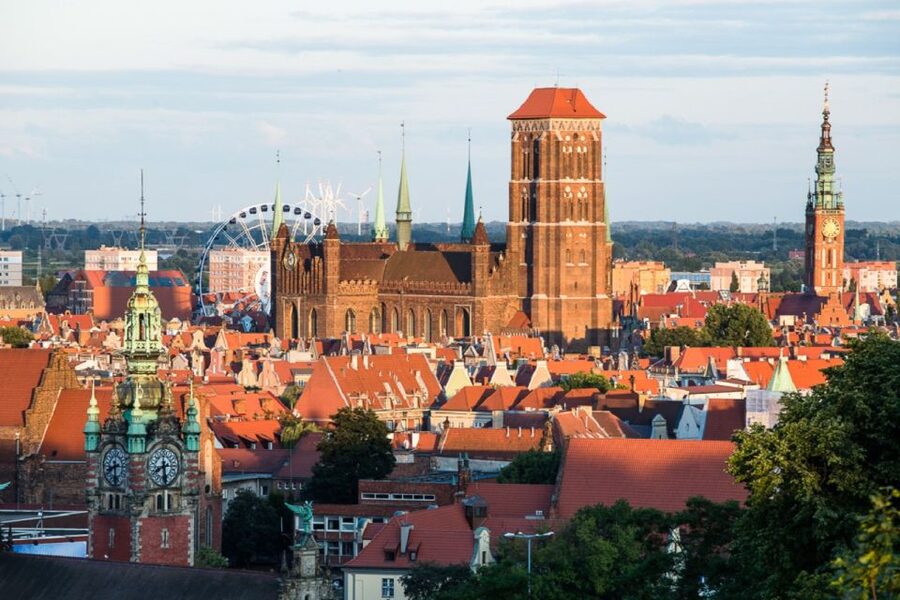
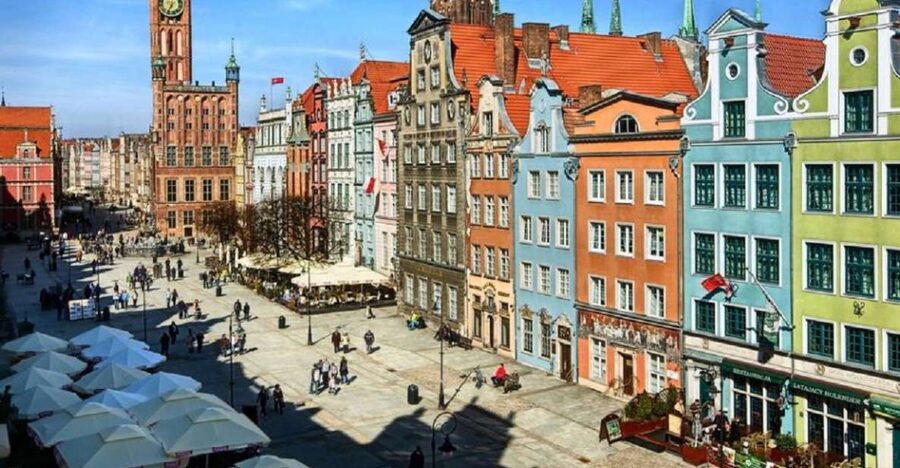
The Old Town part is where you’ll feel the time span most clearly. You’ll see magnificent art and architecture spanning centuries, and your guide connects it to the city’s role as an important seaport. In the 15th and 16th centuries, Gdansk became one of Poland’s most densely populated and prosperous cities, and the story explains how that prosperity drew Jewish merchants who shaped trade, industry, and crafts.
I like the way the tour keeps you moving, but not rushed. You’re in a private group, so you can set a comfortable pace and ask follow-up questions without feeling like you’re being herded. If you enjoy cities that reward slow, observant walking, this format fits perfectly.
Also, the tour is offered in multiple languages, including English, German, French, Italian, Portuguese, Spanish, Polish, and Russian. If you’re booking solo or with a partner, this language coverage matters—it means you can actually understand what the guide is saying, not just “get the gist.”
More walks through the Main Town and the Long Market in Gdansk





Great Synagogue Site, Granary Island, and the Ghetto Footprints
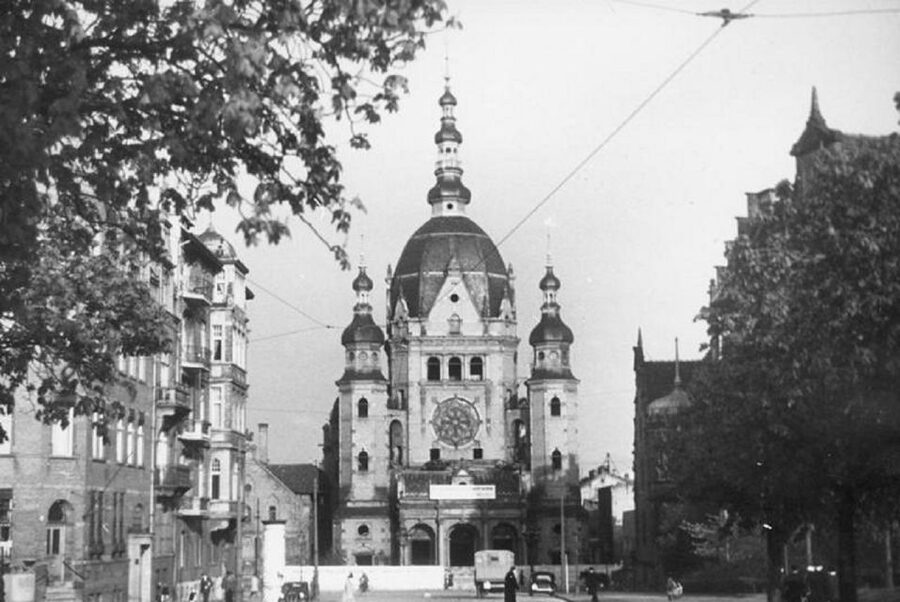
The emotional core of this experience starts with the place where the Great Synagogue once stood. The story goes back to the late 19th century, when Gdansk’s Jews erected the largest synagogue in the city. Your guide explains how it symbolized unity among the Jewish community in Gdansk—and then you hear how it was destroyed by Germans in 1939.
That “place-based” approach helps. You’re not just memorizing facts; you’re anchoring them to a location in the city. Standing near the former site of the Great Synagogue makes the later Holocaust discussion feel less like a lesson and more like a chapter that happened right here.
From there, the tour moves into the former Jewish ghetto area on Granary Island. This stop is crucial because it shifts from community and culture into survival and persecution. You learn the history of the Holocaust using the area itself as a reference point—where the ghetto was, what it meant, and how the city’s geography shaped people’s lives during that period.
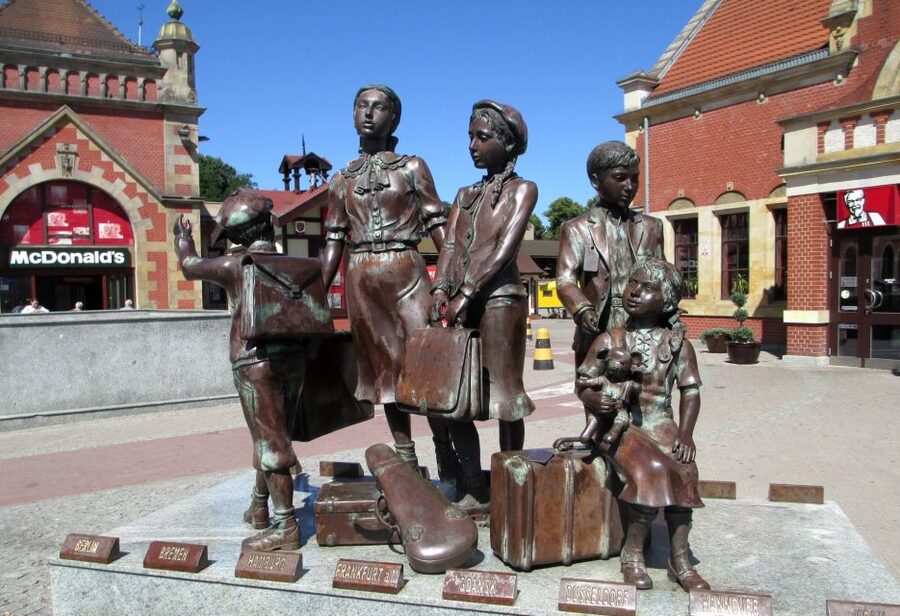
You’ll also see a Kindertransports monument in the same general sweep of sites. Kindertransports were a well-known rescue effort involving children, and the guide’s job is to put that idea into the local story so it lands in your mind as something concrete, not abstract.
The ghetto stop is heavy. If you’re the kind of traveler who processes better with time and quiet, consider taking a slow minute before moving on to the next site. A good guide will usually read the room—especially in a private format.
Kindertransports Monument and Jewish Theatre in the Streets
It’s easy for Jewish history tours to become one note: tragedy, then more tragedy. This one adds texture by showing cultural life alongside the violence.
You’ll hear about famous Jewish theatre in Gdansk, and your guide ties that to the broader community that existed long before the war. That matters because it stops the narrative from shrinking Jews in Gdansk to a single period. You’re reminded that people built culture, entertainment, and public life—then those spaces were threatened or destroyed.
The Kindertransports monument helps the same way, but from another angle. You learn what Kindertransports were and why they mattered. Even if you know the basics, seeing the monument during a walking tour keeps it from becoming a headline. It becomes one part of a longer story of families, fear, separation, and survival.
If you like tours that blend human stories with locations, this section is a real win. It also gives you something to discuss with your guide on the fly: ask how the theatre and monuments fit into the city’s Jewish timeline, and you’ll usually get more than a short answer.
Jewish Cemetery: Original Walls, Gate, and Graves
The cemetery stop is where this tour changes tone. Up to that point, you’re learning through city landmarks. In the cemetery, you feel time in a different way—through the walls, the entrance gate, and the graves.
The tour is specifically designed to show you the local Jewish cemetery with original walls and the entrance gate. Then, you’re guided through what you can learn from the graves. Even with no “dramatic” architecture to point at, the setting carries meaning. It’s a place that makes the history personal.
This is also where a strong guide really shows. The cemetery can be emotionally intense, and you want someone who can explain the significance with respect and clarity. In past experiences with guides on this route—such as Beata and Eva, known for being engaging and clear—the cemetery stop tends to land as thoughtful rather than rushed.
Practical note: plan to slow down here. The cemetery portion isn’t the time to multi-task or just take photos. If you want value, listen closely. Your guide is giving you the key context that helps you understand why these physical details matter.
Kristallnacht Story and the New Synagogue in Wrzeszcz (1926)
One of the tour highlights is the story of Jewish veterans who saved the Great Synagogue on Kristallnacht. That’s the kind of detail that makes the whole timeline feel sharper. Instead of presenting events as a one-way collapse, you hear about people who tried—at least in that moment—to protect something they valued.
From there, the tour concludes at the sole remaining synagogue in the city: the New Synagogue in Wrzeszcz, built in 1926. Ending here is smart. It gives you a present-day reference point after you’ve walked through the loss and destruction earlier in the story.
The New Synagogue stop also works for practical sightseeing. If you’re using Gdansk as a travel base, this ending gives you a sense of where current Jewish life in the city has roots. Even if you don’t go into any specific areas that require an entrance, the location itself is a meaningful finish line.
Remember: entrances aren’t included, so if there’s an area you want to enter or a viewpoint you want to access, ask your guide what’s available and what you may need to pay. Your time is limited to 4 hours, so you’ll get more out of the tour if you decide early what you want most.
More guided Gdansk tours along the Baltic coast
- Gdansk: Guided Round-Trip Cruise to Westerplatte
★ 4.3 · 865 reviews - Gdansk: City Sightseeing Tour by Golf Cart/Buggy Guided Tour
★ 4.9 · 510 reviews - Gdansk Guided City Cruise on Historical Polish Boat
★ 4.5 · 230 reviews - Gdańsk: City Sightseeing Tour by Buggy/Golf Cart LIVE GUIDED 1H
★ 5.0 · 208 reviews
The Practical Flow: What 4 Hours Feels Like
This is a 4-hour private walking tour with hotel pickup and drop-off plus transportation. That matters because you’re not stuck doing long transfers on your own, and you’re not dragged through the day at a speed that ignores your legs.
A private group is a big deal here. It means you can ask for clarification—especially when topics move from centuries of community life to ghetto history and the Holocaust. With a shared group, you’d often have to accept the pace and stop set by the schedule. Here, your guide can usually adjust the tone and timing to match your attention span.
Also, because it’s private, you can tell the guide what you care about most:
- Architecture and city context
- Memorial and cemetery meaning
- Holocaust-era locations and how they connect
The best part is that you finish with a direction for after the tour. Before you head back to the hotel, the guide shares what else you can discover on your own. That’s a small thing, but it often changes your rest-of-day plans in a positive way. You leave with a mental map, not just a list of stops.
Price and Value: Is $60 per Person Fair?
At $60 per person for a 4-hour private guide, this tour can be good value—if you’re someone who wants meaning, not just photos.
Here’s why the value can add up:
- You get a dedicated guide for the full time, not a quick “see-and-go” commentary.
- Hotel pickup and drop-off are included, plus transportation between points.
- The route covers both cultural landmarks and heavy memorial sites, which takes expertise to explain well.
- It’s multilingual (so your experience is less dependent on luck and language barriers).
The main cost friction is entrances being not included. That’s not a deal-breaker, but it’s worth planning for. If the sites you care about most require tickets, you’ll pay extra on top of the base price. Still, having a guide to tell you where to focus usually helps you spend money where it matters.
If you’re traveling with another person, private tours often become even more attractive—because the cost spreads, but the guide stays focused on just you.
Who Should Book This Jewish Heritage Walking Tour
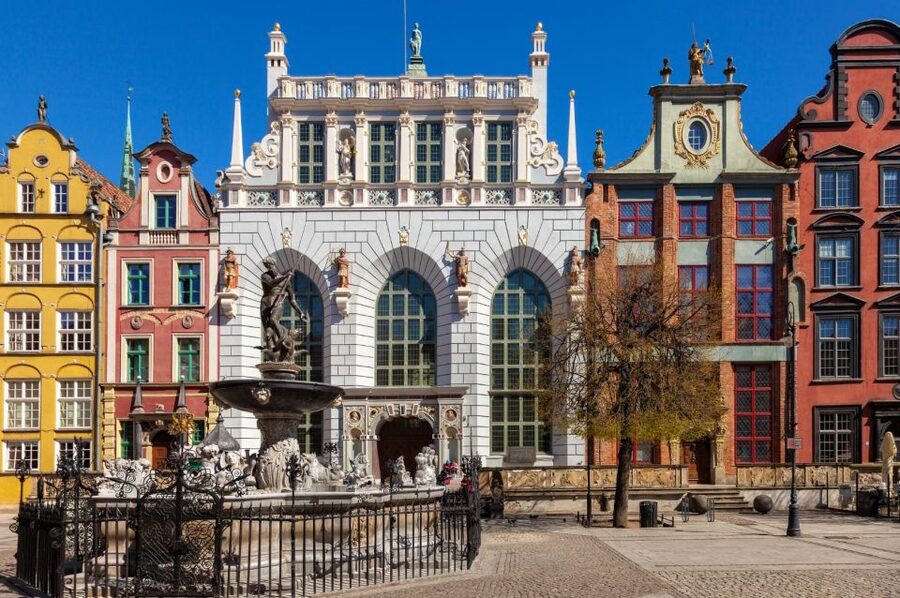
This tour is a great fit if:
- You like walking tours with specific places tied to real stories.
- You want a structured timeline from early community life through major wartime turning points.
- You prefer respectful guides who explain rather than just point.
- You’re visiting for a short time and want your time in Gdansk to count.
It’s also a solid choice for couples, friends, and small groups who want a calm pace. The private format makes it easier to handle emotional stops like the cemetery and ghetto-related sites without feeling pressured.
If you want a light, casual city wander, this isn’t it. The subject matter is serious, and the tour is built around that seriousness. Bring that expectation, and you’ll get better value from the experience.
Should You Book This Gdansk Jewish Heritage Tour?
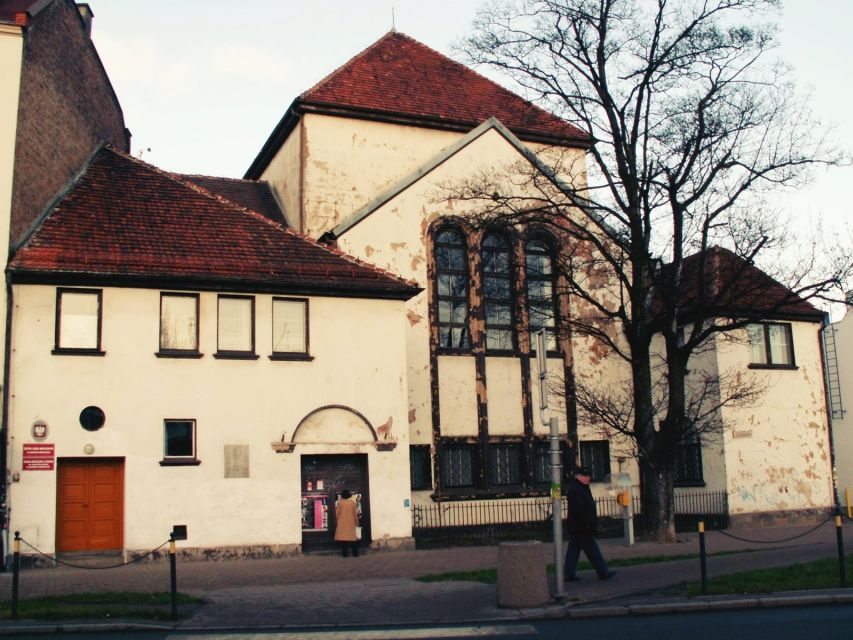
I’d book it if you want your Gdansk sightseeing to have a clear spine. The mix of Old Town architecture, the Great Synagogue story (including Kristallnacht), Granary Island and the ghetto footprint, and the cemetery stop makes it more than a “heritage highlights” loop.
The decision comes down to two things:
- Do you want a guided interpretation of Jewish monuments and memorial locations in Gdansk?
- Are you comfortable with the heavier parts of the story being central, not optional?
If yes, this is one of the more focused ways to understand the city beyond postcard views—and you’ll leave with a better sense of where the past sits in the streets.
FAQ
How long is the Jewish Heritage Guided Private Walking Tour in Gdansk?
It lasts 4 hours.
Is this tour private?
Yes. It’s a private group experience.
Does the tour include hotel pickup and drop-off?
Yes. Your guide meets you at your hotel lobby and later returns you to your hotel.
What’s the price per person?
The price is $60 per person.
Are entrances included?
No. Entrances are not included.
What sites are included on the tour?
You’ll visit the Old Town Jewish-history-related places, the Great Synagogue location, the former Jewish ghetto area on Granary Island, the Kindertransports monument, the Jewish cemetery (with original walls, entrance gate, and graves), and the New Synagogue in Wrzeszcz built in 1926.
Which languages is the live guide available in?
The tour offers live guides in French, Italian, Portuguese, English, Polish, Spanish, German, and Russian.
Is the tour wheelchair accessible?
Yes, the tour is listed as wheelchair accessible.
More Guided Pomerania Day Tours
- Gdańsk City Sights & History Guided Walking Tour in English★ 4.8 · 876 reviews
- Gdansk: Guided Round-Trip Cruise to Westerplatte★ 4.3 · 865 reviews
- Gdansk: City Sightseeing Tour by Golf Cart/Buggy Guided Tour★ 4.9 · 510 reviews
- Gdansk Guided City Cruise on Historical Polish Boat★ 4.5 · 230 reviews
- Gdańsk: City Sightseeing Tour by Buggy/Golf Cart LIVE GUIDED 1H★ 5.0 · 208 reviews
More Tour Reviews in Gdansk
- Gdańsk City Sights & History Guided Walking Tour in English★ 4.8 · 876 reviews
- Gdansk: Firearm Shooting Experience with Instructor★ 4.8 · 866 reviews
- Gdansk: Guided Round-Trip Cruise to Westerplatte★ 4.3 · 865 reviews
- Gdańsk: Sightseeing EcoCruise around the Old Town of Gdansk★ 4.6 · 719 reviews
- Main Town Gdańsk Walking Tour★ 5.0 · 644 reviews
More Main Town & Long Market Walks
- Gdańsk City Sights & History Guided Walking Tour in English★ 4.8 · 876 reviews
- Gdańsk: Sightseeing EcoCruise around the Old Town of Gdansk★ 4.6 · 719 reviews
- Main Town Gdańsk Walking Tour★ 5.0 · 644 reviews
- Discover Gdansk Walking Tour★ 5.0 · 495 reviews
- Historic City Center Tour Gdansk in German★ 4.6 · 455 reviews
Still deciding? Here are more Gdansk tours and Pomerania day trips we have written up





Gdansk Old Town & Main Town Walking Tours, compared.
 ★ 4.8Gdańsk City Sights & History Guided Walking Tour in EnglishFrom $26876 reviews
 ★ 4.6Sightseeing EcoCruise around the Old Town of GdanskFrom $19719 reviews
 ★ 5.0Main Town Gdańsk Walking TourFrom $26644 reviews
 ★ 5.0Discover Gdansk Walking TourFrom $6495 reviews
 ★ 4.6Historic City Center Tour Gdansk in GermanFrom $26455 reviews
 ★ 4.9Old Town Private Walking Tour with Legends and FactsFrom $107245 reviews
 ★ 4.5Gdansk Old Town 2-Hour Walking TourFrom $16794 reviews
 ★ 4.5Sunset on the Shipyard and Old Town Evening CruiseFrom $2586 reviews
Browse the lists this tour appears in