

Reviewed · GDANSK GOLF CART & BUGGY SIGHTSEEING
GDANSK City Tour by Golf Cart Live Guide & City Sightseeing 90min
A golf cart tour makes Gdansk click fast. You get an easy way to cover lots of landmarks with minimal walking, plus a live English guide who brings the city to life with stories and on-the-spot photo help (many stops are designed for quick looks). The itinerary also hits the Gothic and medieval core, from St. Mary’s Church to the Solidarity connection at St. Bridget’s Church, in about 1 to 2 hours. One thing to consider: you’re on a tight timing track at each stop, and if the day runs late or street access shifts (festival days happen), you might not get every minute you hoped for.
In This Review
- What You’ll Like Most
- Key Points at a Glance
- Why a Golf Cart Works So Well in Gdansk
- Meeting Point and the First 10 Minutes That Matter
- Stop-by-Stop: What You’ll See and Why It’s Worth the Time
- Main Town Hall (Museum of Gdansk)
- Dluga Street: WWII Survival and Pre-war Look
- Katownia: Prison Tower and the Hard Side of the Past
- Langgasser Tor (Golden Gate)
- The Mid-Route Pass-By: Center Shopping Street
- Jan III Sobieski Monument
- Great Armoury (Wielka Zbrojownia)
- Hala Targowa: Market Hall and the Dominican Connection
- St. Mary’s Church: The Gothic Brick Giant
- Royal Chapel (Kaplica Krolewska)
- Pass-By: The City’s Very First Lord
- Zuraw Miniatura: The Harbor Crane Moment
- Motława River Embankment (Długie Pobrzeże)
- St. Bridget’s Church (Kościół św. Brygidy): Solidarity Begins Here
- The Great Mill
- Ratusz Starego Miasta: Old Town Life and the Astronomy Touch
- Gdańsk Shipyard and Solidarity Links
- Wałowa: Old Prussian Architecture
- Photo Stops, Guide Personality, and the Little Extras That Add Up
- Price and Value for a 90-Minute Highlights Loop
- When This Tour Is a Great Fit
- When You Might Skip It
- Should You Book This Gdansk City Tour by Golf Cart?
- FAQ
- How long is the GDANSK City Tour by golf cart?
- How much does the tour cost?
- Is pickup available, and where does the tour start?
- Is the guide available in English?
- Are admission tickets included?
- How much walking is involved?
- Is this tour private?
- What happens if the weather is bad?
- Is gratuity included, and are service animals allowed?
What You’ll Like Most
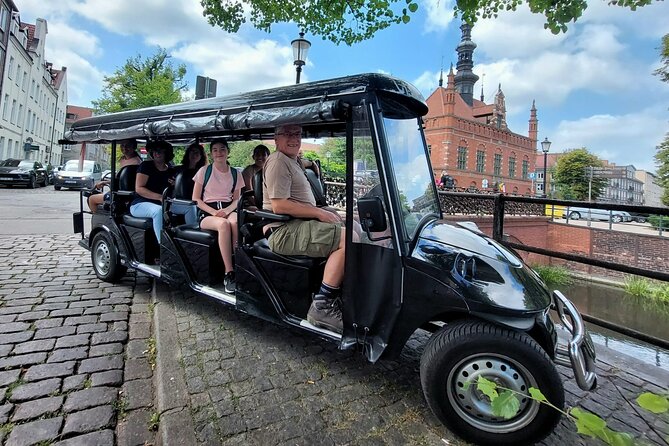
What I like most is the format: you move through narrow old streets without feeling like your legs are the main attraction. Second, you get a smart mix of architecture, institutions, and port-era details—so it’s not just pretty buildings, it’s a guided sense of how Gdansk worked. The possible drawback is that the tour is weather-dependent, and since it’s in an open golf cart, you’ll want to dress for cool or wet conditions.
Key Points at a Glance
- Golf cart mobility: access tight streets while keeping walking light
- Live English guide: local stories tied to major monuments
- Big sights with short stops: you see a lot without committing to long museum time
- Port-and-medieval mix: cranes, river embankment, mills, and shipyard stops
- Photo-friendly pacing: stops are set up for quick viewing and group photos
More Gdansk golf cart and buggy sightseeing spins



Why a Golf Cart Works So Well in Gdansk
Gdansk is gorgeous, but it’s also old and narrow in places. That’s exactly why this golf cart setup feels practical. You get the motion without the slog. Instead of choosing between taxi time and walking fatigue, you get a guided route that keeps you moving from sight to sight while still allowing short pauses to actually look up and take in details.
I also like that the tour doesn’t force a single “big museum day” plan. It’s more like a guided circuit through the city’s most important visual landmarks. Each stop is short enough to keep things snappy, but long enough that you don’t just drive past and feel annoyed.
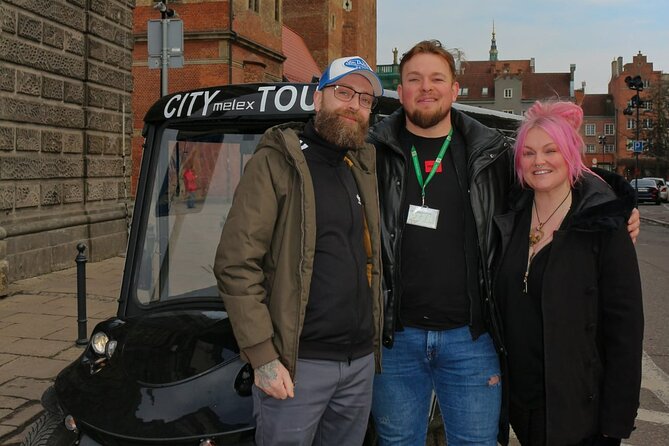
And yes, it’s fun. The open-air ride makes the whole thing feel like a day out, not a chore. Guides like Maciej and Robert (and others such as Michael, often called the Professor) come with energy, humor, and local pride, which makes the fast pacing feel intentional rather than rushed.
Meeting Point and the First 10 Minutes That Matter
The tour starts and ends at Pocztowa, Gdańsk, Poland. Pickup is offered, but you’ll need to coordinate your exact address—plan to confirm it ahead of time. When pickup is scheduled, the instruction is to wait in the lobby 10 minutes before the guide arrives.
If you’re coming from a cruise ship, this part is especially important. Some guests have had limited time on land, and the staff helping with coordination was helpful in getting everyone sorted smoothly. My practical take: if you’re on a clock, build in extra buffer for getting back to your ship, because traffic and city access can be unpredictable.
Stop-by-Stop: What You’ll See and Why It’s Worth the Time
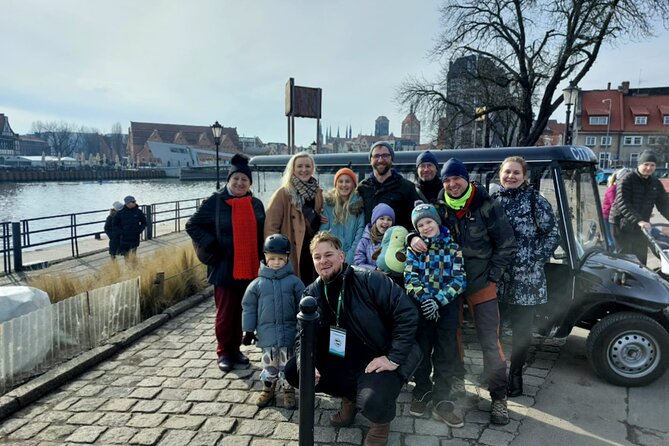
This tour is paced as a sequence of short viewing stops, mostly around 5 minutes, with a couple longer holds for churches and the river/harbor areas. That format means you should arrive with a flexible mindset: you’re collecting impressions and context, not doing deep museum study at every site.
Main Town Hall (Museum of Gdansk)
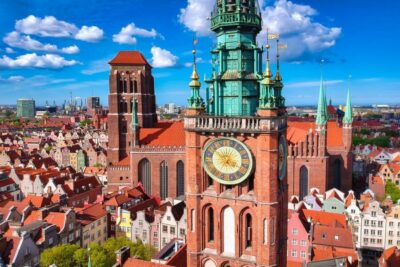
Your first real “wow” moment is the Main Town Hall, also tied to the Museum of Gdansk. You’ll get a brief chance to admire the architecture along the Royal Route. Even if you don’t go inside, the exterior sets the tone—Gdansk is all about monumental civic buildings and layered styles.
This is a good opening stop because it anchors you. Once you see the main civic center, the rest of the walk/ride makes more sense.
More guided Gdansk tours along the Baltic coast
- Gdansk: Guided Round-Trip Cruise to Westerplatte
★ 4.3 · 865 reviews - Gdansk: City Sightseeing Tour by Golf Cart/Buggy Guided Tour
★ 4.9 · 510 reviews - Gdansk Guided City Cruise on Historical Polish Boat
★ 4.5 · 230 reviews - Gdańsk: City Sightseeing Tour by Buggy/Golf Cart LIVE GUIDED 1H
★ 5.0 · 208 reviews
Dluga Street: WWII Survival and Pre-war Look
Next up is Gdansk Dluga Street. This is the kind of street that rewards slowing down your eyes, even when you’re only there for a few minutes. The guide points out a house that looks very close to how it did before 1945, and it includes the notable fact that one key building survived World War II while much around it did not.
Short stop means you won’t read every plaque, but you’ll at least get the big idea: this street is a living timeline, not just a shopping corridor.
Katownia: Prison Tower and the Hard Side of the Past
At Katownia, you’re looking at an older structure tied to imprisonment and punishment—an area that adds weight to the “pretty old town” feeling. The prison tower presence changes the mood fast, and that’s the value of having a guide. You’re not just seeing walls; you’re hearing why they mattered.
If you like history that’s not only heroic, this is a strong stop.
Langgasser Tor (Golden Gate)
Then you roll into Langgasser Tor, known as the Golden Gate. It’s one of the most representative entrances into Dluga Street. The gate is the kind of structure that instantly helps you visualize how people moved through the city in earlier times.
This is a great photo moment. It also helps you connect the street grid to older city boundaries.
The Mid-Route Pass-By: Center Shopping Street
There’s also a segment where the route passes by the biggest shopping area in the city center. You won’t be told to linger here, but it’s useful context if you’re planning where to wander later on your own.
Think of it as a quick orientation checkpoint: you’ll know where you are when you get off the ride.
Jan III Sobieski Monument
You also see the Jan III Sobieski Monument. This is the kind of landmark that gives you a political and military anchor for the city’s stories—Sobieski is well known for the Battle of Vienna. A short stop like this keeps the tour moving, but the guide should tie it back to the bigger narrative of European events.
Great Armoury (Wielka Zbrojownia)
At the Great Armoury, you’ll focus on medieval weapons and the beauty of the architecture. Even in a short visit window, armor and weapon history can be a mental switch: it pulls you away from churches and into how cities defended themselves.
This is a good stop if you like tangible artifacts—metal things you can picture in real time.
Hala Targowa: Market Hall and the Dominican Connection
At Hala Targowa Kupców Dominikańskich, the guide brings you into the world of market life. It’s tied to historical markets and the presence of an old religious order in the city. This stop works because it’s not only about buildings—it’s about how people actually lived day to day.
If you’re hungry for context about everyday Gdansk, this is where you get it.
St. Mary’s Church: The Gothic Brick Giant
Next is St. Mary’s Church, described as the biggest Gothic church in the world by brick. You’ll spend about 10 minutes here. That’s long enough to spot the scale and the brickwork character, and to understand why this church is such a signature landmark.
If you only do a quick look, I’d still take a minute to just step back and view it as a mass. The architecture is the message.
Royal Chapel (Kaplica Krolewska)
You then see the Royal Chapel with baroque style architecture that’s distinct from other chapels you might spot in the city. This is a change of pace from the Gothic vibe. Even with a short viewing time, it’s a useful reminder that Gdansk’s religious art didn’t stay in one era.
Pass-By: The City’s Very First Lord
There’s also a pass by a point connected to the city’s very first lord. The guide uses this to add another layer—early authority and the roots of the city’s identity. Even though you’re not lingering long here, it can be a helpful “origin story” moment.
Zuraw Miniatura: The Harbor Crane Moment
At Zuraw miniatura, you’ll learn about one of the oldest harbor cranes in Europe and see how it was powered. This is a big deal in a city with maritime identity, because it shifts the focus from land to work on the water.
If you like machinery and practical engineering, this stop often becomes a favorite. It’s also one of those places where a guide can point out details you’d miss if you were just snapping photos.
Motława River Embankment (Długie Pobrzeże)
Then comes the Motława River Embankment. You get about 10 minutes to feel the river ambiance and hear about port life in medieval times. Even if the weather is cool, being near moving water changes how the city “sounds” in your head.
This is a good moment to reset after several tight architectural stops.
St. Bridget’s Church (Kościół św. Brygidy): Solidarity Begins Here
The stop at St. Bridget’s Church lasts about 15 minutes, and the visit is included. This is also where the tour connects to the Solidarity movement began, and you’ll be guided toward an amber art highlight.
This is one of the most meaningful stops on the route. It gives you a modern political thread through older sacred space—so the tour doesn’t feel stuck in the medieval past.
The Great Mill
At the Great Mill, the guide explains jobs in a mill and points to the history of the city’s first water mill. This is another “work life” moment that adds balance. Churches and gates are important, but Gdansk was also powered by labor and industry.
Even in a short window, it helps you picture the city as a functioning engine.
Ratusz Starego Miasta: Old Town Life and the Astronomy Touch
Next is Ratusz Starego Miasta, where you’ll hear about old town life and a connection to an astronomy element. This is the kind of detail that makes you look at a building differently, even if you’re not going deep into an exhibit.
It’s also a good example of why the tour feels guided rather than just sightseeing.
Gdańsk Shipyard and Solidarity Links
At the Gdańsk Shipyard, you’ll learn about an old Prussian shipyard and the connection to the Solidarity movement again. This stop ties modern history back to the working world of the city, where shipyards weren’t just industry—they were identity.
If St. Bridget’s hit you emotionally, this one often follows through.
Wałowa: Old Prussian Architecture
Finally, the route includes Wałowa, an area where you see old Prussian architecture. It’s a fitting closer because it rounds out your picture: Gdansk isn’t only medieval; it was reshaped by later European powers and styles too.
By the time you reach the end, you’ll feel like you’ve seen the main “chapters” rather than a random list of famous spots.
Photo Stops, Guide Personality, and the Little Extras That Add Up
One of the biggest strengths here is how guides handle the time on each stop. Many guests mention the guides took pictures of the group and kept the pace lively, with humor mixed in. Guides like Maciej, Robert, Michael (the Professor), and Magic Mike are repeatedly described as engaging and invested in showing you their city, not just reading facts.
What that means for you: if you like hearing stories while moving, you’ll probably love this. If you want total control to linger at one site for an hour, you may feel limited by the short stop durations.
Still, the trade-off is clear. You cover a lot without turning the day into an exhausting march.
Price and Value for a 90-Minute Highlights Loop
At $38.87 per person for an approximately 1 to 2 hour tour, you’re paying for three things: transportation (private cart), a live English guide, and the built-in routing that gets you close to major landmarks efficiently.
For the value side, the key is that the tour includes all fees and taxes, and it includes private transportation plus pickup. It also uses a mobile ticket, which keeps things simple.
You’ll still have to decide your own approach to spending time. Many stops are listed with free admission, and St. Bridget’s visit is included. The tour is structured so you don’t get stuck hunting for ticket windows while everyone waits.
If you’re short on time, that efficiency matters. If you have plenty of days and you prefer independent wandering, you might compare this cost against how much you’d spend on taxis plus time lost figuring out the route.
When This Tour Is a Great Fit
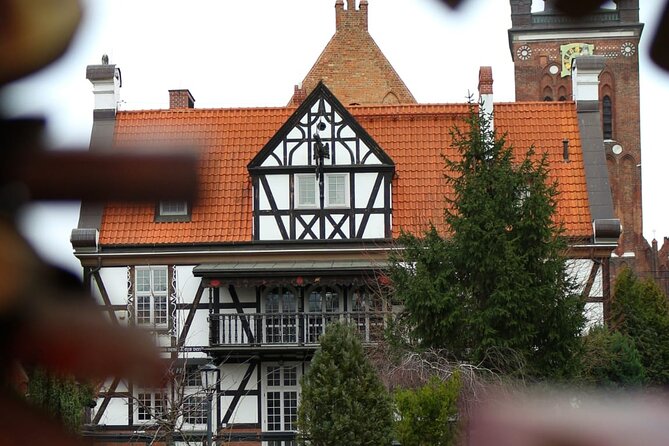
This is a strong pick if:
- you want a fast overview and don’t want to plan a route yourself
- you like city history tied to real places like churches, gates, and shipyards
- you’re traveling with limited energy and want very little walking
- you’re on a short clock, including cruise ship days, and need help staying realistic with timing
It’s also a good choice if you appreciate a guide who can connect medieval architecture to modern turning points, especially through the Solidarity thread.
When You Might Skip It
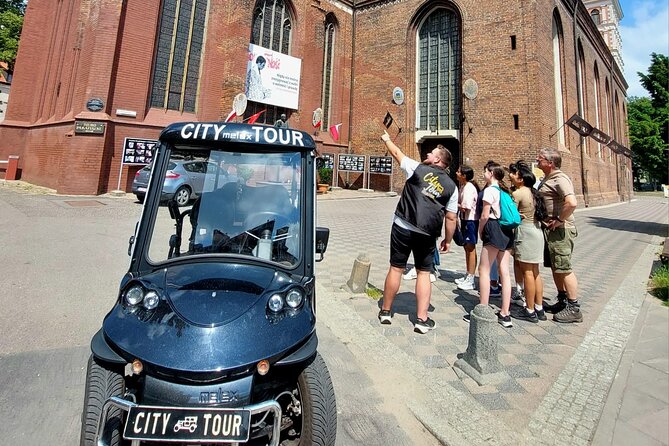
Skip it (or consider a different format) if you:
- want deep museum time at a single site
- hate being in a schedule and prefer open-ended exploring
- are traveling on a very fragile weather day and hate the idea of an outdoor ride
- need lots of time inside churches, because most stops here are brief
Should You Book This Gdansk City Tour by Golf Cart?
I think you should book this if you want your first look at Gdansk to be organized, efficient, and story-driven. The golf cart format makes the old-town layout manageable, and the route covers the big identity pieces—from brick Gothic churches to harbor cranes and shipyard history.
The real question is how you like to travel. If you’re the type who enjoys a guided sprint through the highlights and then wants to return later for a slower, deeper look, this hits the sweet spot. If you’d rather wander on your own with no timetable, you may find the short stop durations a bit too structured.
If you go for it, dress for the weather and show up ready to look up, not just forward. This city rewards attention—and this tour is built to help you notice.
FAQ
How long is the GDANSK City Tour by golf cart?
The tour is listed as lasting about 1 to 2 hours.
How much does the tour cost?
The price is $38.87 per person.
Is pickup available, and where does the tour start?
Pickup is offered. The tour starts at Pocztowa, Gdańsk, Poland, and the activity ends back at the meeting point. For pickup, you’re asked to contact the provider to confirm your address, and wait in the lobby 10 minutes before pickup.
Is the guide available in English?
Yes. The tour lists a live guide in English.
Are admission tickets included?
Many stops are listed as free admission. St. Bridget’s Church (Kościół św. Brygidy) is marked as admission included.
How much walking is involved?
The tour design keeps walking light, since you move between stops by golf cart and spend short periods at each location.
Is this tour private?
Yes. It’s a private tour/activity, meaning only your group participates.
What happens if the weather is bad?
The experience requires good weather. If it’s canceled due to poor weather, you’ll be offered a different date or a full refund.
Is gratuity included, and are service animals allowed?
Gratifications (tips) are not included, and service animals are allowed.
More Guided Pomerania Day Tours
- Gdańsk City Sights & History Guided Walking Tour in English★ 4.8 · 876 reviews
- Gdansk: Guided Round-Trip Cruise to Westerplatte★ 4.3 · 865 reviews
- Gdansk: City Sightseeing Tour by Golf Cart/Buggy Guided Tour★ 4.9 · 510 reviews
- Gdansk Guided City Cruise on Historical Polish Boat★ 4.5 · 230 reviews
- Gdańsk: City Sightseeing Tour by Buggy/Golf Cart LIVE GUIDED 1H★ 5.0 · 208 reviews
More Tour Reviews in Gdansk
- Gdańsk City Sights & History Guided Walking Tour in English★ 4.8 · 876 reviews
- Gdansk: Firearm Shooting Experience with Instructor★ 4.8 · 866 reviews
- Gdansk: Guided Round-Trip Cruise to Westerplatte★ 4.3 · 865 reviews
- Gdańsk: Sightseeing EcoCruise around the Old Town of Gdansk★ 4.6 · 719 reviews
- Main Town Gdańsk Walking Tour★ 5.0 · 644 reviews
More Gdansk Golf Cart & Buggy Spins
- Gdansk: City Sightseeing Tour by Golf Cart/Buggy Guided Tour★ 4.9 · 510 reviews
- Gdansk: Shared or Private City Tour Sightseeing By Golf Cart★ 4.8 · 233 reviews
- Gdańsk: City Sightseeing Tour by Buggy/Golf Cart LIVE GUIDED 1H★ 5.0 · 208 reviews
- Gdansk: Private Top City Tour by Electric Cart & Live Guided★ 4.9 · 114 reviews
- Gdansk: 2H City Sightseeing Tour LIVE GUIDED by Buggy/Golf cart★ 5.0 · 89 reviews
Still deciding? Here are more Gdansk tours and Pomerania day trips we have written up


Gdansk Golf Cart & Buggy Sightseeing, compared.
 ★ 4.9City Sightseeing Tour by Golf Cart/Buggy Guided TourFrom $40510 reviews
 ★ 4.8Shared or Private City Tour Sightseeing By Golf CartFrom $36233 reviews
 ★ 5.0City Sightseeing Tour by Buggy/Golf Cart LIVE GUIDED 1HFrom $29208 reviews
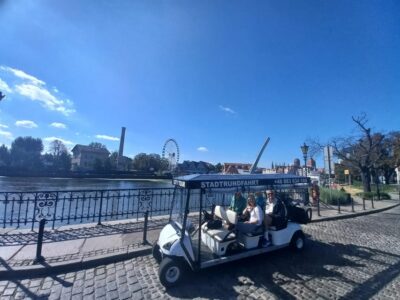 ★ 4.9Private Top City Tour by Electric Cart & Live GuidedFrom $34114 reviews
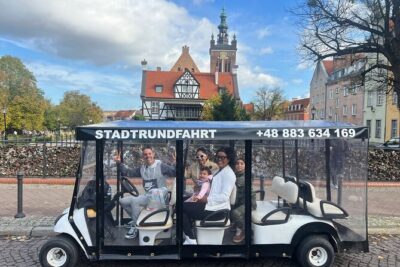 ★ 5.02H City Sightseeing Tour LIVE GUIDED by Buggy/Golf cartFrom $5189 reviews
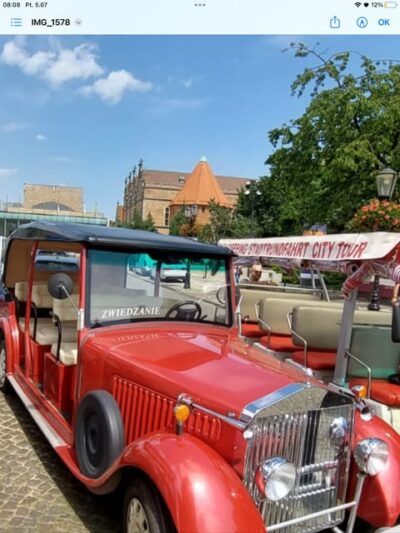 ★ 4.6City Tour by Electric Golf CartFrom $1987 reviews
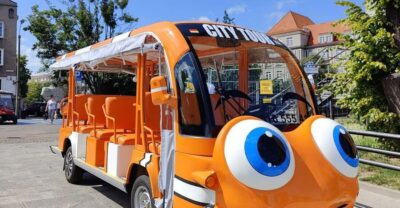 ★ 4.6City Sightseeing Tour Eco Electric Buggy Golf Cart !From $2935 reviews
 ★ 4.9Gdansk Top Beer & Highlights Tour by Golf Cart/BuggyFrom $2419 reviews
Browse the lists this tour appears in