
Reviewed · STUTTHOF MUSEUM MEMORIAL TOURS
From Gdansk: Stutthof Concentration Camp Museum Day Tour
Stutthof has a way of making history feel painfully close. This 4-hour day trip from Gdansk focuses on the human reality of the Holocaust in a camp built by Nazis in 1939 and freed in 1945 by the Soviet Army. I like that the visit is tightly structured around key sites, including the gas chamber and crematorium, and I also like how the guide interpretation brings the story to life without turning it into a scavenger hunt. One possible drawback: your experience depends a lot on language choice, and if your group’s language needs don’t match the guide well, understanding can lag.
The route is straightforward: hotel pickup, a visit to the Stutthof Museum area, and then a return to your hotel. In at least one experience I reviewed, a guide named Anna made the storytelling clear and well paced, and pickup/drop-off worked smoothly with zero drama. Still, consider that camp tours can involve emotionally heavy material, and the tour isn’t suitable for children under 12.
If you want a visit that’s direct, respectful, and fact-based, this is the right format. Just plan your expectations: it’s a short guided window onto a vast subject, so the guide’s pacing matters.
In This Review
- Key Things I’d Watch For on This Stutthof Tour
- Why Stutthof Near Gdansk Feels So Specific
- The 4-Hour Format: How the Timing Actually Works
- From Gdansk Pickup to Stutthof Museum: What to Expect Before You Arrive
- Entering the Camp: How the Guide Helps You Read the Evidence
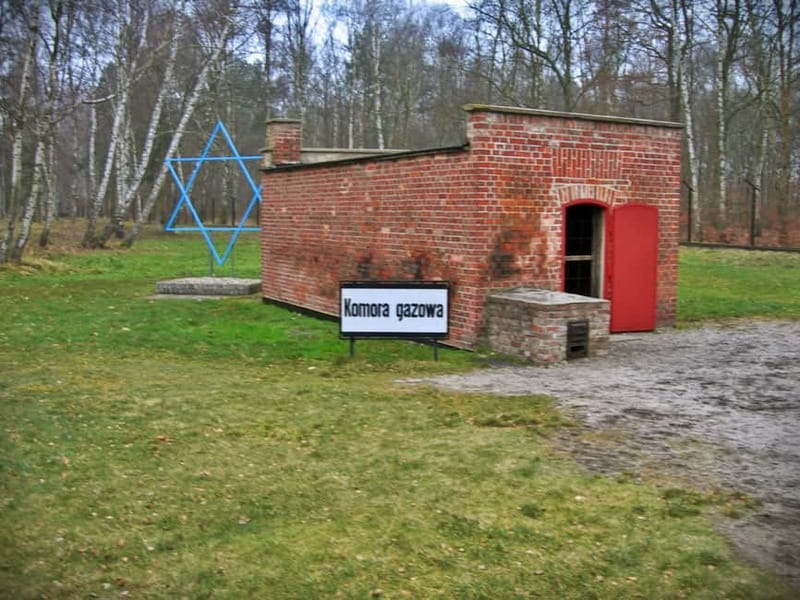
- Gas Chamber and Crematorium: The Places You Can’t Forget
- Prisoner Barracks and the Guard’s Tower: Understanding Control
- Liberation in 1945: Why That Ending Matters
- Language Choice: The Real Deal-Maker
- Group Size and Tone: Private Doesn’t Always Mean Small
- Price and Value: Is $68 Reasonable for Stutthof?
- Who This Tour Fits Best
- Should You Book This Stutthof Day Tour?
- FAQ
- How long is the Stutthof day tour from Gdansk?
- What’s included in the price?
- Which languages are available for the live guide?
- Where does the tour start?
- Is this tour suitable for children?
- What stops and exhibits are part of the visit?
- Can I cancel for a refund?
Key Things I’d Watch For on This Stutthof Tour
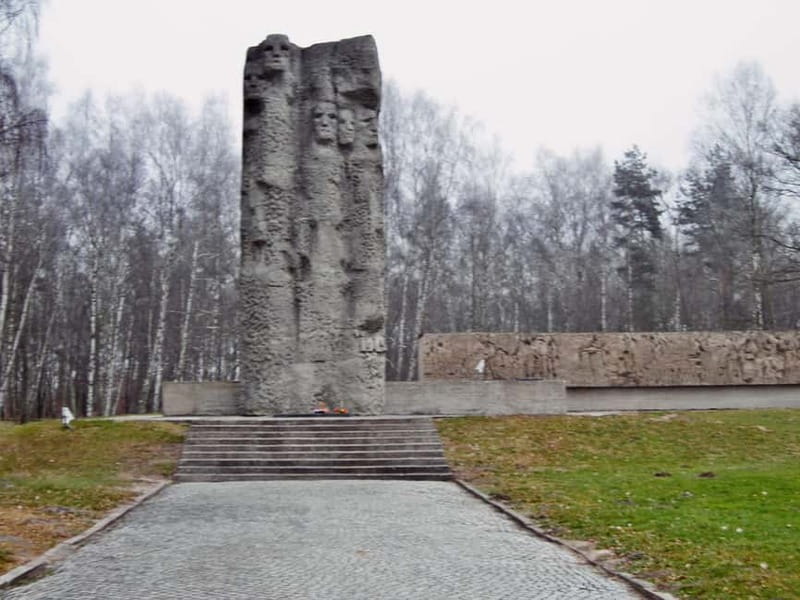
- You’ll hit the core evidence areas: gas chamber, crematorium, prisoner barracks, and the guard’s tower.
- Stutthof was early and late: first concentration camp in Poland (built 1939) and last freed in 1945.
- Numbers are part of the explanation: up to 110,000 deported; about 85,000 victims.
- Language selection is not a small detail: guides cover multiple languages, but group comprehension can vary.
- It includes a liberation storyline: learn how the Soviet Army freed the camp in 1945.
- 4 hours is a real-time commitment: you’ll see a lot, but you won’t have time to wander endlessly.
Why Stutthof Near Gdansk Feels So Specific
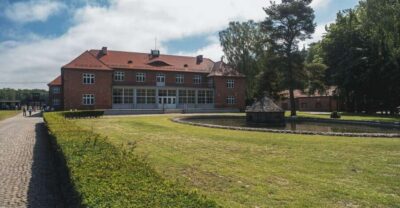
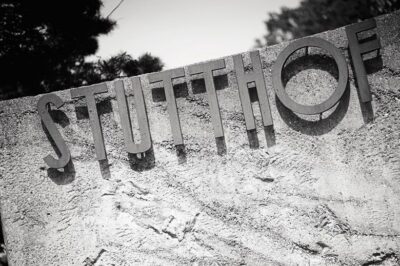
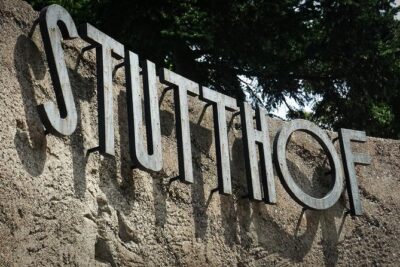
Stutthof isn’t a vague WWII stopping point. It’s tied to a real place west of Sztutowo (German: Stutthof), in a secluded, wet, wooded area. That setting matters because it helps you understand why the camp functioned as an isolated system—removed from daily civilian life, yet built into the machinery of genocide.
This day tour is built around that reality. You’ll get a guided visit that centers on what happened there, not just the surviving structures. And because Stutthof was the first concentration camp in Poland (1939) and one of the last to be freed (1945), the story spans a long arc: the camp system built up, victims were deported over time, and then liberation arrived.
I also like the tour’s emphasis on the places that are hard to process but important to see. The goal isn’t shock for shock’s sake. It’s understanding how the camp’s infrastructure supported persecution and murder.
More guided visits to the Stutthof Museum from Stutthof Museum Poland
The 4-Hour Format: How the Timing Actually Works
This tour is listed as about 4 hours, with pickup and drop-off from your hotel. For many visitors, that’s the sweet spot: enough time to cover the museum grounds and major remains, without turning the day into a full logistics marathon.
That said, there’s a practical truth here. Four hours over camp terrain means you’ll move at a guided pace and you’ll likely spend only limited time at each stop. So if you tend to read slowly or want long quiet pauses, you’ll have to mentally shift from browsing to absorbing.
Also, you’ll want to choose your tour language carefully before you go. One booking experience (with a larger group that included many high school students) showed how language fit can affect comprehension. In that case, the group wished for a different language option and found English wasn’t equally strong for everyone. In other words: pick the language you can truly follow.
From Gdansk Pickup to Stutthof Museum: What to Expect Before You Arrive
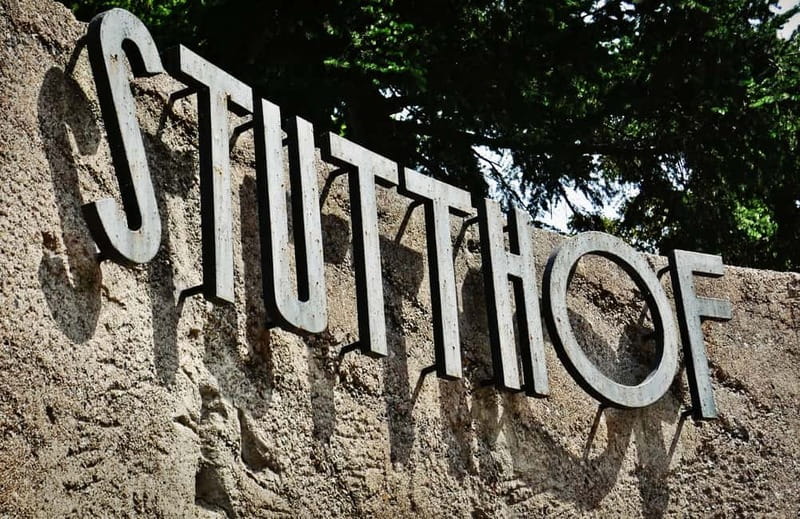
The most reassuring part is how the meet-up is handled. Your guide comes to your hotel lobby and is waiting with a sign with your name. That reduces the usual “where are we meeting?” stress in a different city. You also get a driver/guide who speaks multiple languages—so you’re not stuck improvising.
The pickup also matters because it simplifies the trip. Stutthof is about 25 miles (40 kilometers) from Gdansk. In real life, that kind of distance is exactly where public transport can turn into wasted time. Here, you’re spared that, and you can focus on the guided experience once you reach the grounds.
When you get there, you’ll shift quickly from normal daily Poland life into the museum setting. Expect the tone to be serious from the start. This isn’t a place designed for casual sightseeing, and that’s a good thing.
Entering the Camp: How the Guide Helps You Read the Evidence
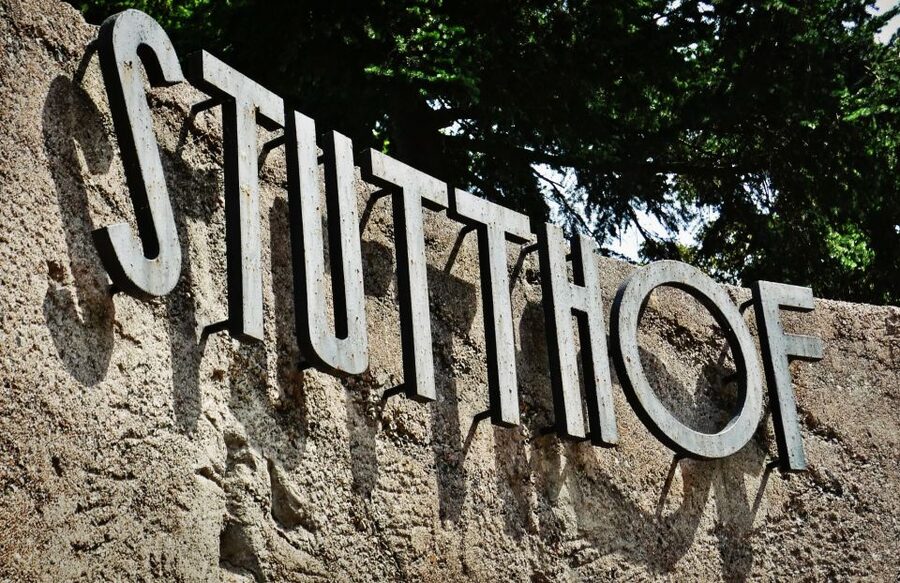
What you’re really doing on this tour is learning how to interpret the site. The camp has specific elements that work like a map of what the Nazis built and how it operated. With a live guide, you’re not just looking at old walls and structures—you’re being told what each area was used for and how it connected to the broader system.
The tour emphasizes key areas such as:
- the gas chamber
- the crematorium
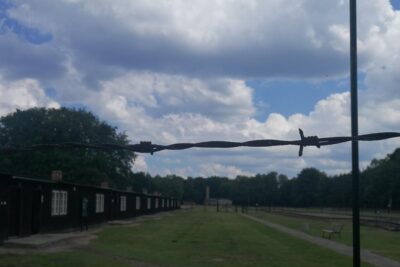
- prisoner barracks
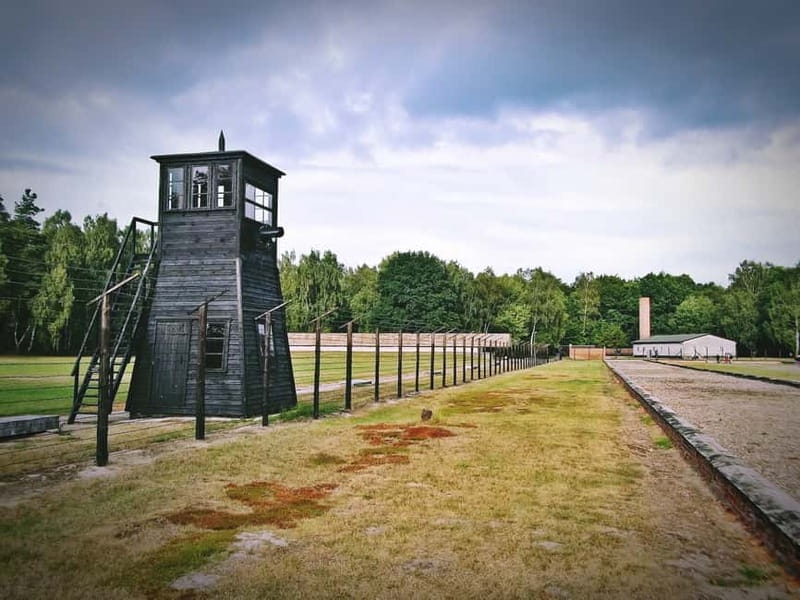
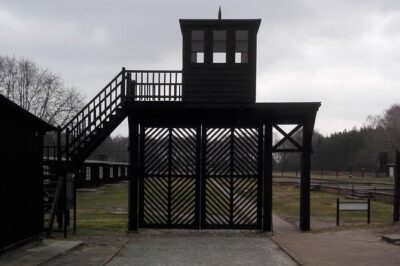
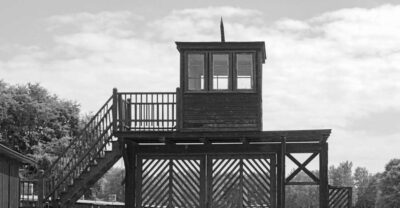
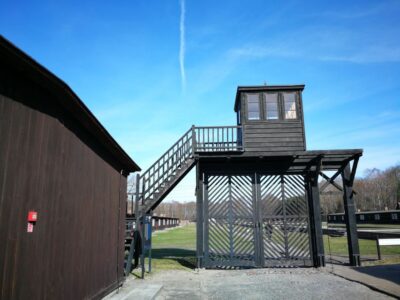
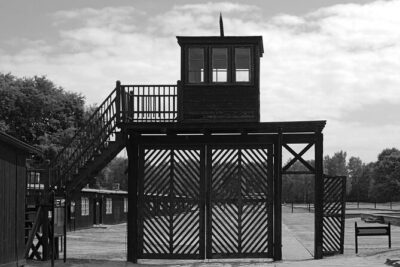
- a guard’s tower
These aren’t random stops. They form a “cause-and-effect” story you can follow: where people were detained and housed, how the camp controlled movement and survival, and how the killing process was implemented through physical infrastructure.
I find that guided interpretation makes a huge difference here. Without context, it’s easy to stare at remains and feel lost. With context, the place turns into readable history.
Gas Chamber and Crematorium: The Places You Can’t Forget
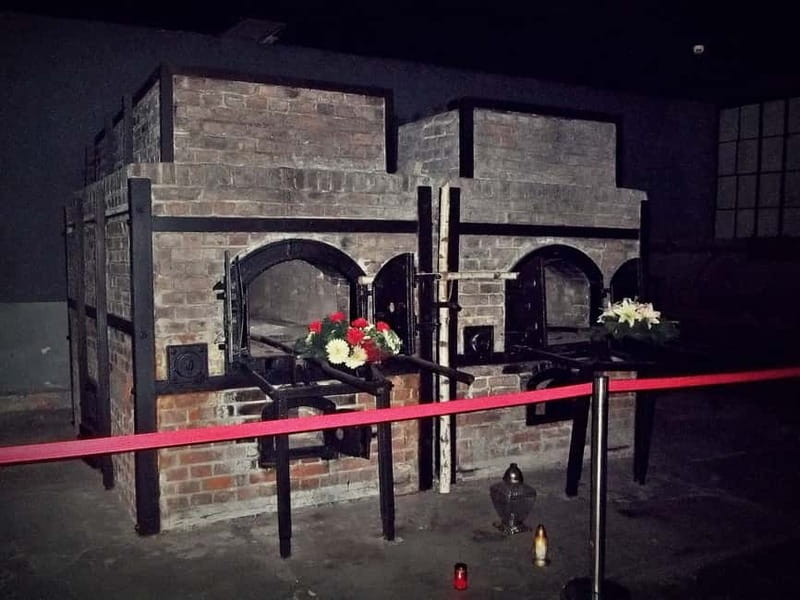
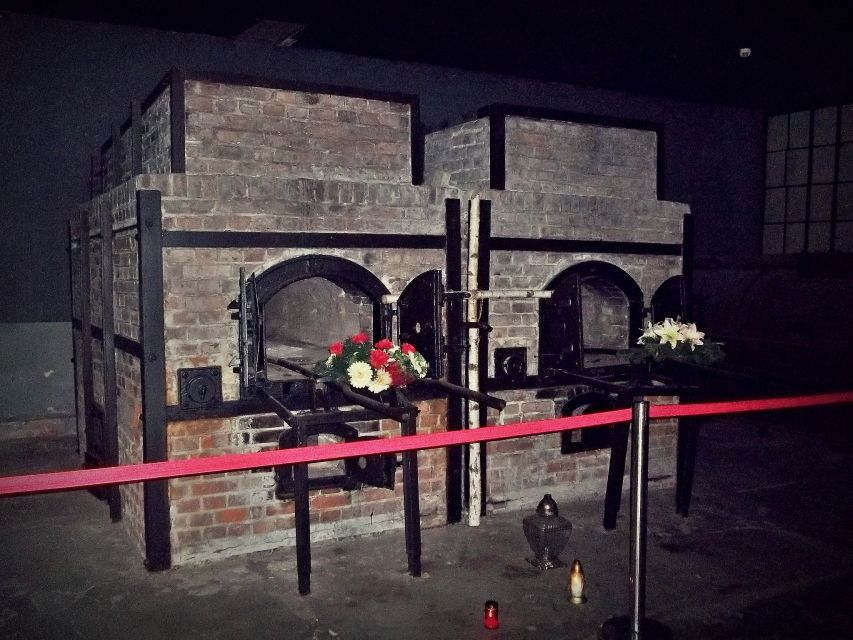
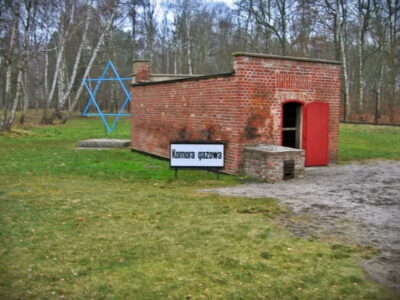
This is the part where the tour becomes emotionally heavy. The visit includes the gas chamber and crematorium—sites tied directly to genocide. The guide’s job is crucial: they explain what these places were, not in vague terms, but in historical terms that help you understand the purpose and method.
Because this tour is built around these stops, you should expect the pacing to slow slightly at the most difficult locations. You’ll likely hear how the camp’s operations functioned, and you’ll learn that Stutthof held up to 110,000 deported people, with about 85,000 victims. Those numbers aren’t meant to be a statistic sheet. They’re part of the explanation of scale—how many people were processed and how many did not survive.
A practical note: wear comfortable shoes. Not because the terrain is a theme park, but because you’ll be walking on real ground and spending time looking closely. If you’re physically comfortable, you can focus on what the guide is telling you.
Prisoner Barracks and the Guard’s Tower: Understanding Control
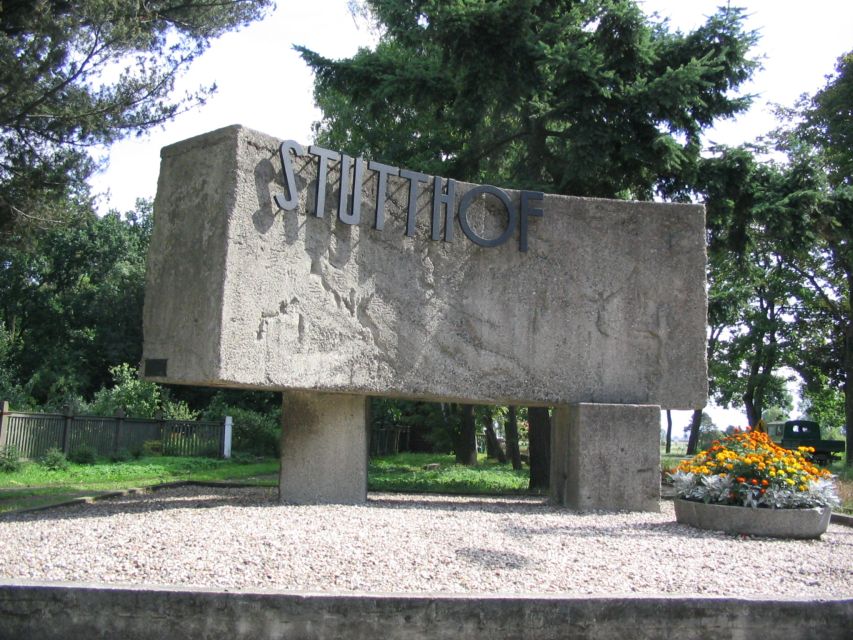
The prisoner barracks help you grasp what detention looked like on a day-to-day level. Even if you don’t remember every detail the guide gives, you’ll come away with the sense that the camp was designed for captivity and dehumanization—not just imprisonment, but control.
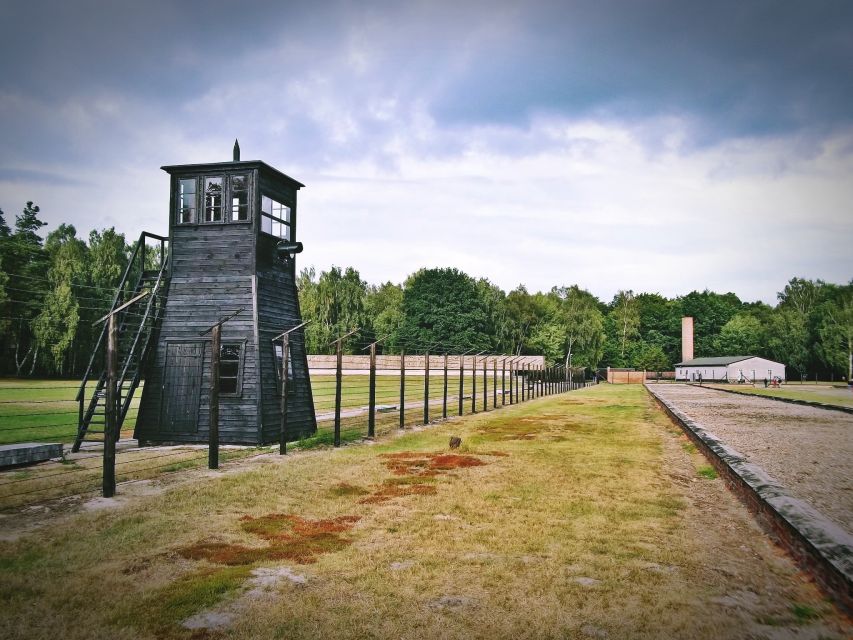
Then you get the guard’s tower, which adds another layer. It’s a reminder that the camp wasn’t only about buildings and forced labor. It was also about surveillance, power, and the constant reality that victims had little ability to resist.
This combination—prisoner housing plus the guard’s vantage point—helps you see the system as a whole. You’re not just learning about suffering in general. You’re understanding how the camp physically enforced domination.
Liberation in 1945: Why That Ending Matters
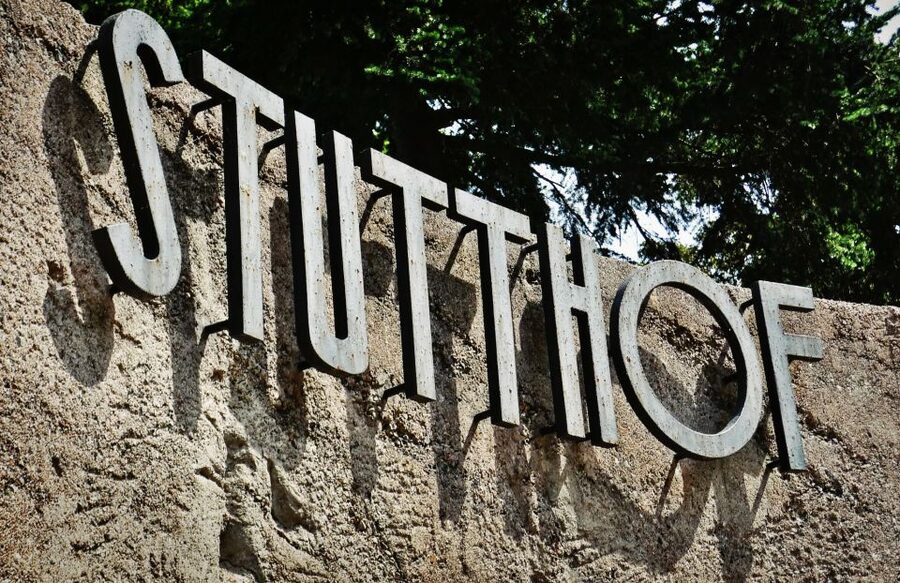
Stutthof’s story doesn’t end when the war’s general news ends. This camp was freed in 1945 by the Soviet Army, and that liberation is part of what your guide covers.
That matters for two reasons. First, it places Stutthof into a timeline that continued longer than many people expect. Second, it prevents the story from feeling like a clean chapter that simply ends with arrival of Allied troops. Here, liberation is specific and tied to the camp’s last days.
I like that the tour includes this ending. A visit to a concentration camp can otherwise become trapped in only one emotional register—sadness and horror, yes, but also confusion about what happened next. The liberation piece helps you understand the transition from atrocity to aftermath.
Language Choice: The Real Deal-Maker
This tour offers live guides in a wide range of languages: Spanish, English, German, Polish, Russian, French, Italian, Portuguese. That’s a big plus for you, because comprehension is everything when the subject matter is this serious.
Here’s the consideration: if you book in a language that your group isn’t fully comfortable with, the experience can lose clarity. One experience I saw described a group where the guide was skilled in English, but not everyone was equally strong in English, and the group had hoped for a different language option. Even when the guide is good, language limits can make understanding uneven.
So before you book, ask yourself:
- Can I follow the guide at normal speaking speed?
- Will I be able to track names, dates, and what each site was used for?
If the answer is no, switch languages now. It’s one of the simplest ways to protect the value of the tour.
Group Size and Tone: Private Doesn’t Always Mean Small
The experience is described as a private group, but real-world group size can vary. One reviewed booking involved a group of 25 participants, including 20 high school students. That’s not a complaint—it’s just proof that private in the booking sense doesn’t always mean “only a handful of people.”
What you can take from that:
- Expect a structured, guide-led pace.
- The group tone may be formal and educational, especially if it includes school groups.
- You’ll want to be comfortable with a setting where silence and focus are common.
In my view, that’s not a downside. A camp is not a place for a casual chat tour. Just go in knowing you might not be the only ones in the group, even if it’s private.
Price and Value: Is $68 Reasonable for Stutthof?
At $68 per person, you’re paying for more than a bus ride. You’re paying for:
- hotel pickup and drop-off
- entry to the Stutthof Museum
- a multilingual driver/guide
- a guided visit through the camp sites
That combination adds up. The museum entrance alone is usually a meaningful cost, and the transportation and live guidance are also doing real work—especially since Stutthof is outside the city and the subject needs context.
Is it “cheap”? No. But it’s also not a luxury sightseeing tour. It’s a serious educational experience with interpretation, and you’re not left to figure it out on your own. For many people, that’s exactly the value they’re looking for: clarity with less friction.
If budget is tight, this is the kind of trip where I’d rather pay for a guide who can explain the evidence clearly than attempt a DIY visit and hope the site makes sense without help.
Who This Tour Fits Best
This isn’t a casual history stop. It’s built for adults and older teens who want a structured, guided visit to core sites tied to the Holocaust in Poland.
It’s specifically not suitable for children under 12. That’s less about comfort and more about appropriateness and how the tour content is presented.
If you fit one of these profiles, you’ll likely appreciate the format:
- You want a focused day from Gdansk without transit headaches.
- You prefer a guided explanation over reading everything on your own.
- You want to understand how specific camp features relate to the wider story, including liberation in 1945.
If you’re the kind of person who needs lots of personal space or has difficulty with emotionally heavy subjects, you should consider whether a live guided camp visit is the right pace for you.
Should You Book This Stutthof Day Tour?
I’d book this if you want a clear, guided, high-importance visit with hotel pickup, museum entry, and interpretation in the language you can actually follow. The highlights—gas chamber, crematorium, prisoner barracks, guard’s tower, plus liberation in 1945—are exactly the kinds of stops that benefit from real-time explanation.
Skip it or reconsider if you’re likely to struggle with the tour language, because comprehension affects your ability to connect the details to the larger story. Also, if you’re bringing anyone under 12, this tour isn’t designed for that age group.
If you want an efficient, respectful way to experience Stutthof beyond a quick glance, this is a solid choice.
FAQ
How long is the Stutthof day tour from Gdansk?
The tour runs about 4 hours.
What’s included in the price?
Hotel pickup and drop-off, a multilingual driver/guide, and entrance to the Stutthof Museum are included.
Which languages are available for the live guide?
The tour offers live guidance in Spanish, English, German, Polish, Russian, French, Italian, and Portuguese.
Where does the tour start?
Pickup is included from your hotel. Your guide will be waiting in the lobby with a sign with your name.
Is this tour suitable for children?
It is not suitable for children under 12.
What stops and exhibits are part of the visit?
The tour includes key areas such as the gas chamber, crematorium, prisoner barracks, and the guard’s tower, along with the museum.
Can I cancel for a refund?
Yes. Free cancellation is available up to 24 hours in advance for a full refund.
More Tour Reviews in Stutthof Museum Poland
- DAILY Stutthof Concentration Camp with Guide and Transport★ 4.8 · 6 reviews
More Stutthof Museum Memorial Visits
- DAILY Stutthof Concentration Camp with Guide and Transport★ 4.8 · 6 reviews
Still deciding? Here are more Stutthof Museum Poland tours and Pomerania day trips we have written up
Stutthof Museum Memorial Tours, compared.
 ★ 4.7Stutthof Concentration Camp Regular TourFrom $128361 reviews
 ★ 4.5Stutthof Concentration Camp English Tour with Gdansk Hotel pickupFrom $14773 reviews
 ★ 4.7Stutthof Concentration Camp:Guided Tour with TransportationFrom $26957 reviews
 ★ 5.0Stutthof Concentration Camp tour including transfer from GdanskFrom $15134 reviews
 ★ 4.8Stutthof Concentration Camp Half-Day Private TourFrom $46129 reviews
 ★ 4.7Private transportation to the Stutthof Concentration Camp 4hFrom $22728 reviews
 ★ 4.5Stutthof Concentration Camp: Private Guided Tour with TransportFrom $31526 reviews
 ★ 5.0Stutthof Concentration Camp Regular Tour from GdanskFrom $14023 reviews
Browse the lists this tour appears in