
Reviewed · MOTLAWA RIVER CRUISES & BOAT TOURS
Cruises on the Motlawa River
One river. Tons of details.
This 45-minute Motława River cruise is a fast way to see Gdańsk’s waterfront from a whole different angle, with Granary Island and the 15th-century medieval crane in full view. I love how the route stitches together multiple eras in one ride, and I also like that you get help reading the sights in English while you’re floating past the Teutonic-era remains and church towers. A heads-up: the boat is small, so the guide’s voice can be hard to hear at times, especially with wind and engine noise.
If you’re trying to plan a day that includes other stops on land, the multiple departure times make this easy to slot in. I also appreciate that the canopy roof can retract fully when weather allows, which is great if you want clear photos without juggling umbrellas. The main drawback to consider is that the experience depends on decent weather, so have a Plan B in your schedule.
In This Review
- Why this Motława cruise is a smart use of time
- From Green Bridge: your quick start in Gdańsk’s riverfront
- The Teutonic wall, Długie Pobrzeże, and the river gates
- The 15th-century crane: Europe’s largest medieval crane view
- Olowianka Island: where trade meets layers of power
- Granary Island and the Long Way granary wall
- Churches, town hall towers, and St. John’s brick church
- Fish Market and the preserved harbor feel
- The Marina of Gdańsk and the “first ship after WWII” moment
- What the cruise feels like on board (and how to make it better)
- Timing, departures, and how to choose the best slot
- Price and value: $19.86 for a reason
- Who should book this cruise (and who might want a different plan)
- Should you book this Motława River Cruise from Green Bridge?
- FAQ
- Where does the cruise start and end?
- How long is the Motława River cruise?
- What is the price per person?
- What languages is the tour offered in?
- What can I see during the route?
- How many travelers are on the boat?
- Do I need a paper ticket?
- What weather conditions are required?
- Can the boat be good for photos?
- Is there an audio guide?
Why this Motława cruise is a smart use of time
- Small-group vibe (up to 10 travelers), so you’re not swallowed by a huge crowd on a short ride
- 45 minutes of waterfront highlights: islands, cranes, granaries, and church towers
- Canopy roof can retract fully for better sightseeing and photography when conditions are good
- You get landmark support in English so you can follow along without guessing
- Easy fit into your day thanks to a wide choice of departure times
- Starts and ends at Green Bridge, so it’s simple to connect with other sights nearby
From Green Bridge: your quick start in Gdańsk’s riverfront
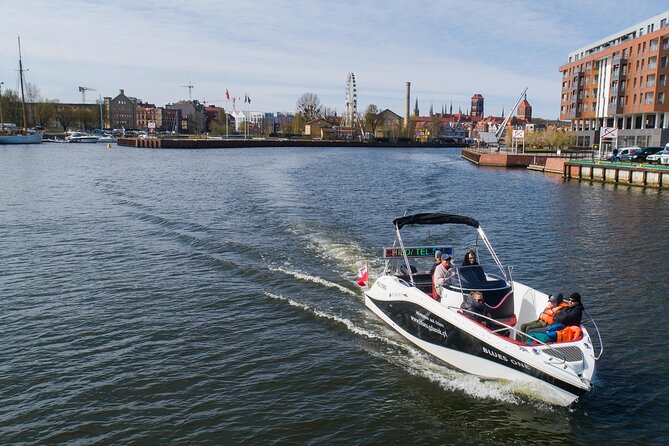
You’ll board at Green Bridge (Stara Motława), Gdańsk, and the cruise ends right back at the same meeting point. That matters more than you’d think. In a city where a lot of landmarks cluster in the center, getting dropped off at the exact start point lets you keep walking toward your next stop instead of backtracking.
The ride itself is short—about 45 minutes—which makes it a good “starter course” if you’re new to Gdańsk. From the water, the historic center feels more navigable. You can spot where streets and bridges connect to the river, and suddenly your land-based walk makes more sense.
One more practical note: the tour is in English and you’ll have a mobile ticket. If you arrive close to boarding time, keep your phone ready and try not to wander in circles. One traveler said they went to the wrong spot at first, but the captain called to confirm they were coming and waited. Still, arriving where you should from the start saves stress.
More Motlawa river cruises past the old Crane in Gdansk

The Teutonic wall, Długie Pobrzeże, and the river gates
Early in the route, you’ll see remnants tied to the Teutonic Castle, including part of the wall remains along the water. It’s a reminder that this wasn’t just a pretty riverfront. Long before the colorful façades, the waterfront was about defense and control.
Next, the cruise passes Długie Pobrzeże (the Long Seacoast) and water gates leading to the city. Think of these as the city’s direct “ports of entry.” From the river, the layout becomes easier to understand: where ships could approach, where movements likely funneled in, and how the city turned its edge into an advantage.
This section is especially good if you like architecture with a purpose. Even if you don’t know every detail, you can still read the waterfront like a map—walls here, gates there, and then the trading spaces where the city’s wealth would show up.
The 15th-century crane: Europe’s largest medieval crane view
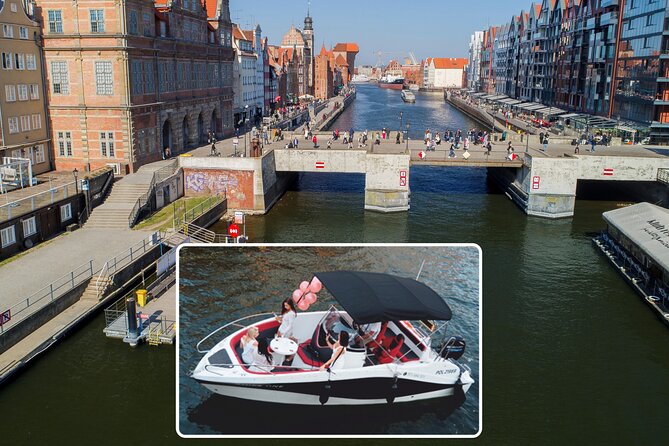
The cruise’s star sight is the famous crane from the 15th century. The experience description calls it the largest medieval crane in Europe, and seeing it from the water is the difference between seeing a photo and understanding scale.
Up close from a boat, the crane’s structure reads better. You notice how it’s anchored, how its form connects to the shoreline, and how it would have worked in an active harbor—pulling goods, shifting cargo, and shaping the daily rhythm of port life.
There’s also a timing advantage to seeing it by river instead of only from the street. You get a steadier viewpoint for photos, and you can adjust your position without climbing up to crowded angles on land.
Olowianka Island: where trade meets layers of power
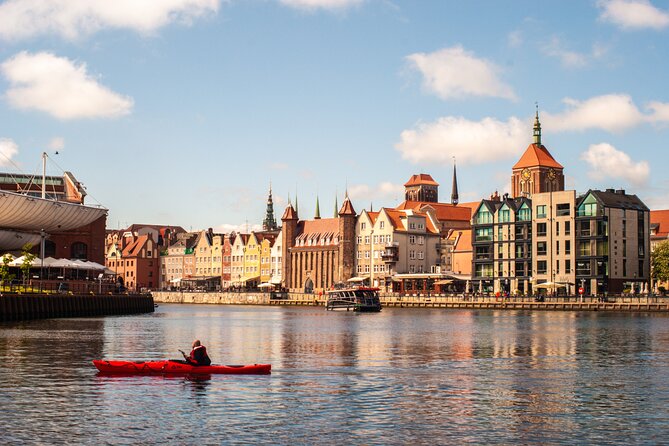
You’ll also glide by Ołowianka Island, described as a key fragment of Gdańsk where different threads of urban history meet. The area originally belonged to the Teutonic Order and served as an economic base connected to the commander’s castle.
What I like about this stop is that it’s not just a single landmark. It’s a whole “zone” where power and commerce overlap. On land, you might walk past without fully grasping how the river shaped usage of the space. On the cruise, the island sits right where you can see the relationship to the water.
Ołowianka is also a good moment for photos because the boat’s motion tends to give you multiple angles in a short time. If your camera battery is already at half, this is the point where you’ll want it working.
Granary Island and the Long Way granary wall
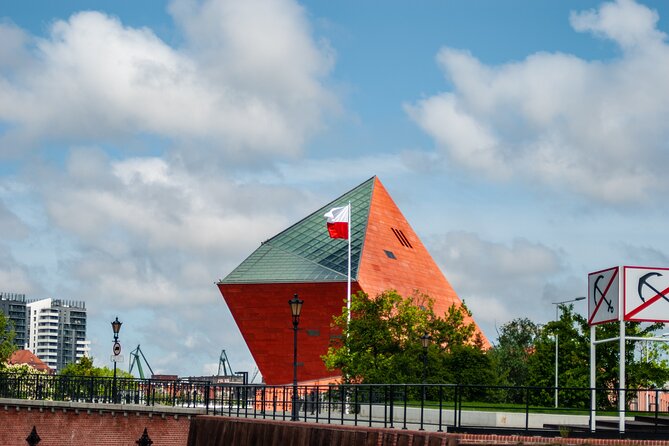
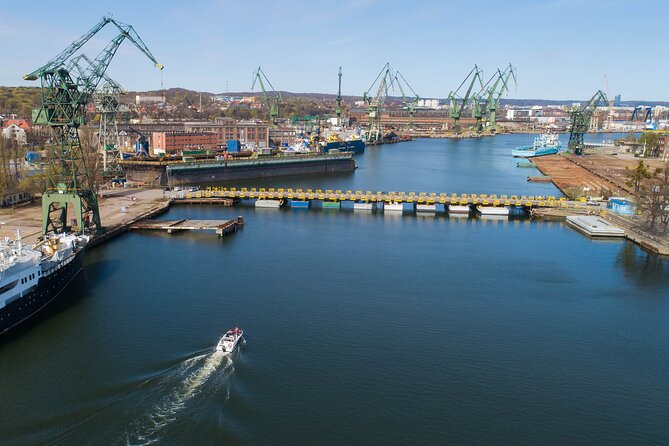
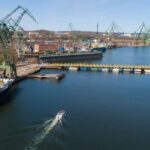
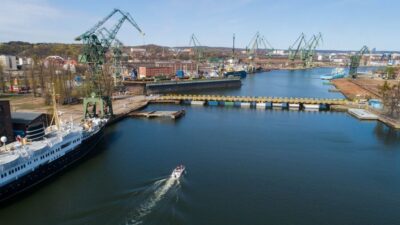
One of the most memorable views is around Granary Island, with the shipyard-and-storage vibe you can actually see. You’ll spot the preserved wall of the Long Way granary, plus monuments tied to the harbor’s history.
Long waterfront walls are tricky on foot because you’re moving quickly and your eye jumps between buildings. From the river, you get a cleaner reading of length and placement. You can also better connect granaries to the logistics of shipping. It’s easier to picture goods moving straight from water to storage without the guesswork.
There’s also a streetscape element you’ll pick up from the boat: Stagiewna Street crosses Granary Island, starting at the Green Bridge. Seeing the street from the water helps you understand the center as a connected system, not just a collection of stops.
- Gdańsk City Sights & History Guided Walking Tour in English
★ 4.8 · 876 reviews - Gdansk: Firearm Shooting Experience with Instructor
★ 4.8 · 866 reviews - Gdansk: Guided Round-Trip Cruise to Westerplatte
★ 4.3 · 865 reviews - Gdańsk: Sightseeing EcoCruise around the Old Town of Gdansk
★ 4.6 · 719 reviews
Churches, town hall towers, and St. John’s brick church
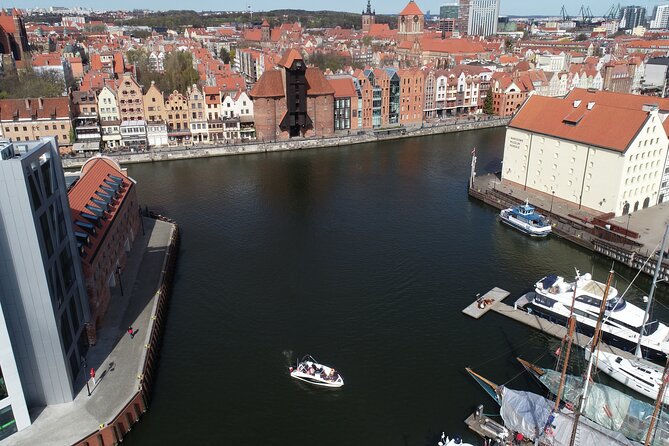
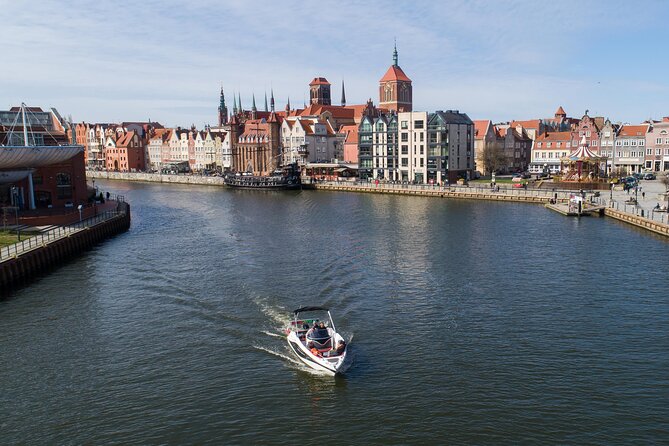
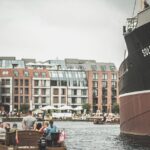
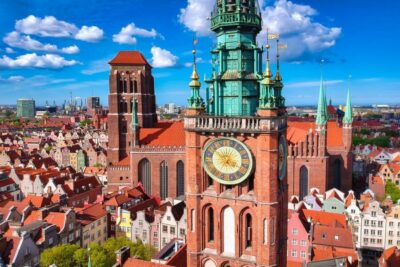
As you continue, the cruise keeps pulling you back toward the skyline. You’ll see towers of churches and the town hall from the yacht. And behind St. John’s Church, you can see the world’s largest brick church.
Even if you’ve never studied church architecture, the “largest brick church” label gives you a clear hook. From the water, towers and façades line up more dramatically than they do at sidewalk level. You also get a better sense of how the city’s religious and civic buildings dominate the riverfront view.
This part works well if you want a balanced mix. The early stretch is more “fortress and harbor.” Then you drift into “city center identity,” where the river becomes the stage for the skyline.
Fish Market and the preserved harbor feel
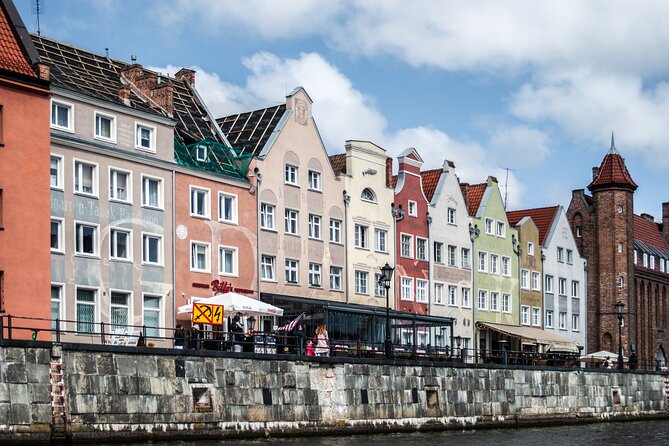
You’ll also pass the Fish Market, and the experience notes that Gdańsk used to have many more markets like this. That comment is useful because it frames what you’re seeing as part of an older waterfront economy, not just today’s souvenir-strip version of city life.
The Fish Market sight is worth it even if you don’t stop to shop afterward. It adds context for why there were so many small commercial nodes along the river. Water cities aren’t just about boats. They’re about what humans bought and sold when ships came in.
If your day includes a food crawl or a visit to local dining streets, this gives you a faster mental map of where those markets used to connect.
The Marina of Gdańsk and the “first ship after WWII” moment
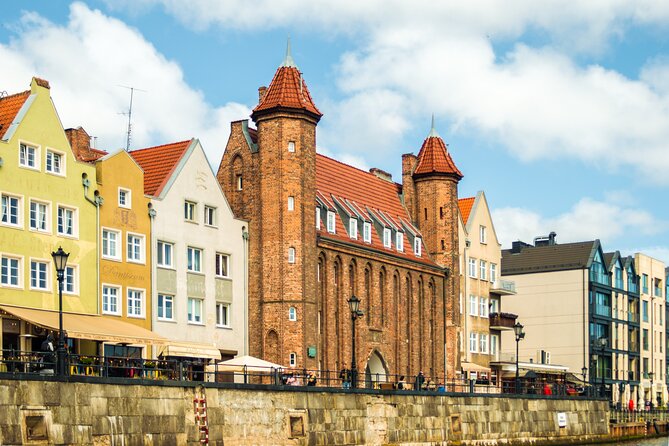
On the way back toward Green Bridge, the route includes the Marina of Gdańsk. That’s the modern contrast: today’s working-and-visiting waters, next to older structures that still shape the waterfront.
There’s also a specific historical marker mentioned in the cruise route: the first ship built in Poland after World War II. It’s the kind of detail that makes a short tour feel more anchored. Instead of floating past only “pretty old stuff,” you’re also seeing how Poland’s shipbuilding story connects to this waterway.
What the cruise feels like on board (and how to make it better)
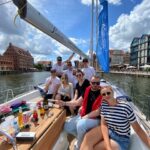
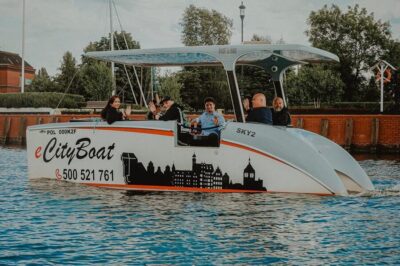
This is a small private motorboat with a maximum of 10 travelers. The upside: it feels personal and you’re not competing with a big crowd for sightlines. The downside: small boats can mean more noise, and the guide’s voice can be harder to hear during parts of the ride.
One helpful detail from the experience format is that you get landmark support in English—in practice, this can mean printed guidance rather than relying entirely on audio. If you’re the type who likes to follow along while you look, plan to read the sheet and glance up often.
Photography tip: when the canopy roof retracts fully (when weather allows), you get a brighter view and fewer shaded photos. If you’re sensitive to wind, bring a light layer anyway. Canopy or not, a river ride can get chilly.
Families can also do well here. One account mentioned children being given life jackets, and blankets when it got windy. If you’re traveling with kids, that’s one less thing to worry about.
Timing, departures, and how to choose the best slot
The cruise includes a wide choice of departure times, which is a big deal in a city with lots of walking and weather changes. If you can, pick a time when the sky is clear and the light looks good for photos of the crane, the islands, and the brick church area.
Because the experience requires good weather, avoid booking your only outdoor block on a day when clouds or rain are likely to stick around. If weather cancels it, you’ll usually be offered another date or a refund, but the simplest strategy is to build in flexibility.
In terms of planning ahead, this one is often booked around 20 days in advance on average. That doesn’t mean you can’t find a slot later, but if your travel dates are tight, booking earlier is the safer move.
Price and value: $19.86 for a reason
At about $19.86 per person for roughly 45 minutes, this feels like excellent value compared with private boat rentals right next door. Part of the savings is that you’re not paying for a full boat and captain at your own pace.
The real value is what you get with the time: a concentrated route that hits big landmarks—crane, islands, granaries, church towers—without turning your day into a logistical puzzle. In other words, you’re paying for convenience plus interpretation, not just movement on water.
If you’re traveling in a pair or small group, the cost adds up quickly when you rent a boat privately. This cruise spreads the expense across multiple passengers and still gives you a boat-level perspective that makes Gdańsk look bigger and more coherent.
Who should book this cruise (and who might want a different plan)
Book it if you want:
- A short, easy way to see major waterfront sights without committing to a long tour
- Better views of crane, granaries, and church towers from the water
- A day plan that stays flexible, since departures are frequent enough to fit your schedule
Consider another option if:
- You strongly prefer live spoken narration the whole time. On a small boat, hearing the guide can be tricky.
- You hate reading on the go. The format can rely on written landmark info, so bring a little patience for that.
If you’re pairing this with walking around the historic center, it’s a great “set your bearings fast” experience. You come off the water with more spatial context, and your next stroll feels less like aimless wandering.
Should you book this Motława River Cruise from Green Bridge?
Yes, if your goal is maximum Gdańsk waterfront value in under an hour. The route covers the big visual hits—15th-century crane, Granary Island, Ołowianka Island, and the brick church area—and it does it in a way that makes the city feel connected instead of fragmented. The price is friendly, the group size stays small, and the canopy option helps with photos when weather cooperates.
Just set expectations: it’s a short ride on a small boat, so don’t plan on perfectly clear narration the entire time. If you arrive at the right meeting point and give yourself a little time to find the boat, you’ll get a smooth experience and a lot of payoff for the money.
FAQ
Where does the cruise start and end?
The cruise starts and ends at Green Bridge (Stara Motława), Gdańsk, Poland.
How long is the Motława River cruise?
It lasts about 45 minutes (approx.).
What is the price per person?
The listed price is $19.86 per person.
What languages is the tour offered in?
The tour is offered in English.
What can I see during the route?
You’ll see a mix of Gdańsk waterfront landmarks, including the Teutonic Castle wall remains, Długie Pobrzeże with water gates, the 15th-century crane, Ołowianka Island, Granary Island, the Long Way granary wall, Fish Market, church towers and the town hall, and St. John’s Church area with the world’s largest brick church behind it. You’ll also pass the Marina of Gdańsk on the way back.
How many travelers are on the boat?
The cruise has a maximum of 10 travelers.
Do I need a paper ticket?
No. You’ll use a mobile ticket.
What weather conditions are required?
This experience requires good weather. If it’s canceled due to poor weather, you’ll be offered another date or a full refund.
Can the boat be good for photos?
Yes. The canopy roof can retract fully when weather allows, which helps when you want clearer views and photos.
Is there an audio guide?
The experience format includes English landmark information. In some cases, an audio guide was not heard for the entire tour, with printed English information used to follow along.
More Tour Reviews in Gdansk
- Gdańsk City Sights & History Guided Walking Tour in English★ 4.8 · 876 reviews
- Gdansk: Firearm Shooting Experience with Instructor★ 4.8 · 866 reviews
- Gdansk: Guided Round-Trip Cruise to Westerplatte★ 4.3 · 865 reviews
- Gdańsk: Sightseeing EcoCruise around the Old Town of Gdansk★ 4.6 · 719 reviews
- Main Town Gdańsk Walking Tour★ 5.0 · 644 reviews
More Motlawa River Cruises & Boat Tours
- Gdansk: Guided Round-Trip Cruise to Westerplatte★ 4.3 · 865 reviews
- Gdańsk: Sightseeing EcoCruise around the Old Town of Gdansk★ 4.6 · 719 reviews
- Gdańsk: Motlawa River Yacht Cruise★ 4.6 · 272 reviews
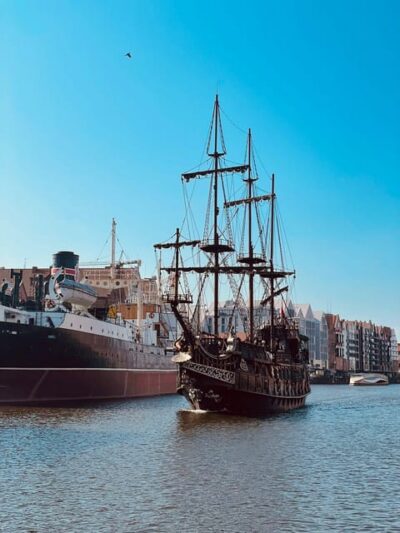
- Gdansk Guided City Cruise on Historical Polish Boat★ 4.5 · 230 reviews
- Gdańsk: Motława River Eco Cruise at Sunset with Prosecco★ 4.8 · 142 reviews
Still deciding? Here are more Gdansk tours and Pomerania day trips we have written up


Motlawa River Cruises & Boat Tours, compared.
 ★ 4.3Guided Round-Trip Cruise to WesterplatteFrom $33865 reviews
 ★ 4.6Sightseeing EcoCruise around the Old Town of GdanskFrom $19719 reviews
 ★ 4.6Motlawa River Yacht CruiseFrom $18272 reviews
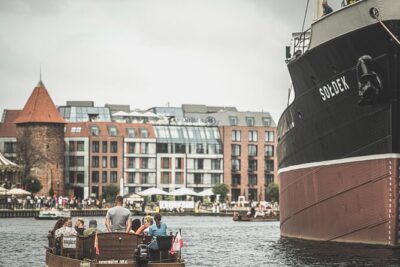 ★ 4.5Gdansk Guided City Cruise on Historical Polish BoatFrom $21230 reviews
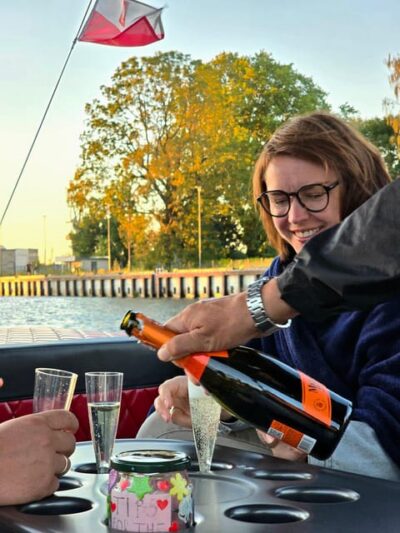 ★ 4.8Motława River Eco Cruise at Sunset with ProseccoFrom $26142 reviews
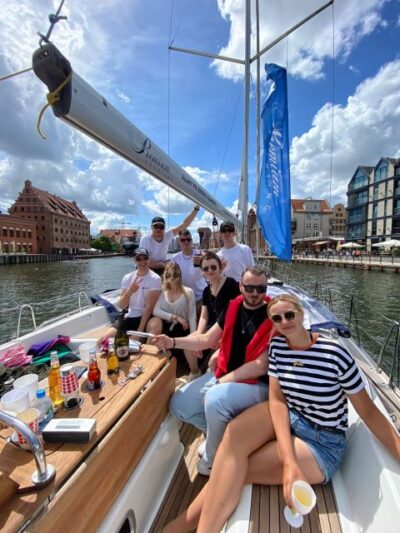 ★ 4.6Motlawa and Port yacht cruise with Welcome DrinkFrom $26115 reviews
 ★ 4.9Gdansk/Sopot: Breakfast Cruise on a CatamaranFrom $5342 reviews
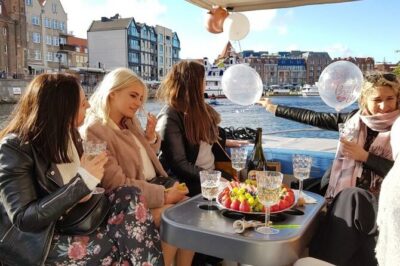 ★ 4.0Sightseeing Cruise around the Old Town of GdanskFrom $2122 reviews
Browse the lists this tour appears in