
Reviewed · TRADITIONAL POLISH FOOD TOURS
Gdansk: 4-Hour Polish Food Tour
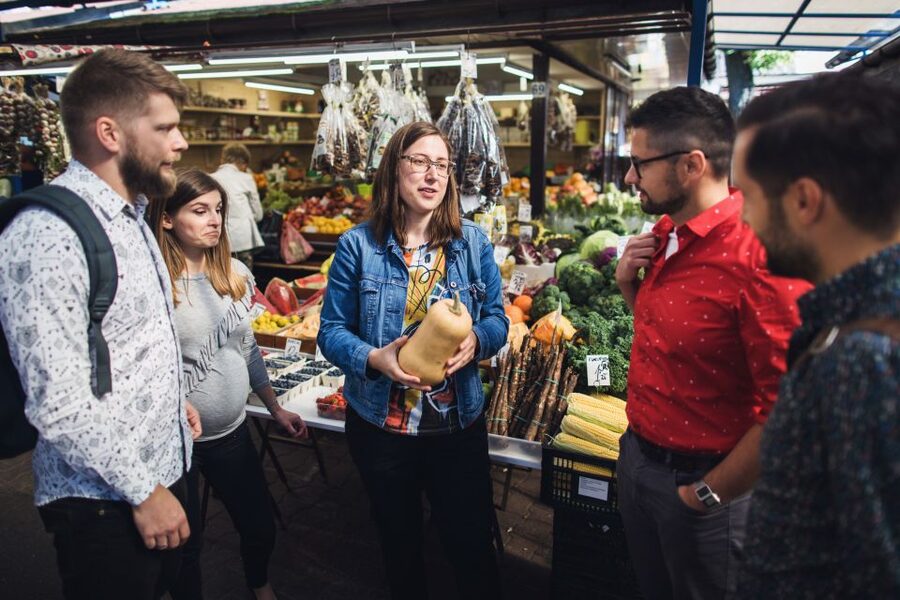
Gdansk tastes better with a guide. This 4-hour Polish food tour turns the city center into a real, eat-until-you’re-stuffed route, with up to 12 tastings across 4 to 5 stops and a friendly English guide who connects each plate to local food culture.
What I like most is how you get more than pierogi (and not the glossy, tourist-only version). You’ll sample cold appetizers, hot soups, traditional dishes, and sweets, plus the practical stuff like how people talk about bread quality and why fermented foods don’t automatically mean you should worry.
The main thing to consider is diet: Polish cuisine here leans heavily on pork, so if you’re vegetarian, a lot of what’s served during the tour may not fit.
In This Review
- Key things to know before you go
- A 4-hour Polish food marathon in central Gdansk
- What up to 12 tastings really delivers (and how hungry to be)
- More than pierogi: what you’ll actually taste in Gdansk
- The tour route: eating while you get your bearings
- Vodka, comfort food, and the stories guides bring to the table
- Price and value: is $119 worth it?
- Who should book this (and who might want to pick something else)
- Practical tips so you get the most out of it
- Quick compare: food tour versus doing it on your own
- Should you book the 4-Hour Polish Food Tour in Gdansk?
- FAQ
- How long is the Gdansk 4-Hour Polish Food Tour?
- How many food tastings will I get?
- What kinds of dishes are included?
- Is the tour in English?
- Where do I meet for the tour?
- Is a vodka shot included?
- Is water included?
- Are additional drinks included?
- Is hotel pickup included?
- Is it vegetarian-friendly?
Key things to know before you go

- Up to 12 tastings across 4–5 carefully picked venues, enough for a full meal plus dessert
- Small group (max 8), so the guide can actually talk and answer questions
- Pork-based menu is the default, so vegetarian diets may struggle
- Vodka shot + water at most stops, with additional drinks not included
- Expect food-history stories, including bread talk, 1970s nostalgia, and the meaning of fermented
A 4-hour Polish food marathon in central Gdansk

If you want to understand Gdansk beyond the pretty facades, this tour is a fast route. In just four hours, you move through central sights on foot and eat your way through the flavors that Poles treat as everyday comfort, not a special occasion.
The pace is built for “full meal” eating. The tour runs long enough for multiple courses of small portions, then wraps with dessert, so you’re not just sampling bites—you’re building a complete Polish food experience. The tone is also warm and social. One guide style that comes through strongly is how you’re treated like you’re out for dinner with someone who actually cares about what you’re tasting.
And because it’s capped at a small group size, you get more than one-way storytelling. If you have allergies, you can usually plan for adjustments by advising the guide ahead of time, rather than hoping the kitchen gets lucky.
More Gdansk food walks with pierogi and Baltic plates



What up to 12 tastings really delivers (and how hungry to be)
The headline is simple: up to 12 food tastings. In practice, that means you should plan this like your main meal of the day. The tour’s own advice is very clear: eat breakfast, skip lunch, and you’ll enjoy the whole lineup. If you eat lunch too, you’ll feel stuffed before dessert, and that’s a shame because the sweets are part of the point.
Think of it as a structured “tasting menu” without the fine-dining fuss. You’ll go through categories that match how Polish meals work: start with cold appetizers, move into hot comfort (soups show up), then get into traditional dishes, and finish with something sweet. It’s also why the tour works even if you already know Polish food basics. You’ll still learn what’s typical, what’s regional, and how people talk about food the way others talk about weather.
One practical win: the tour includes water at most venues. That keeps things comfortable when you’re working your way through multiple savory plates plus a vodka shot.
More than pierogi: what you’ll actually taste in Gdansk
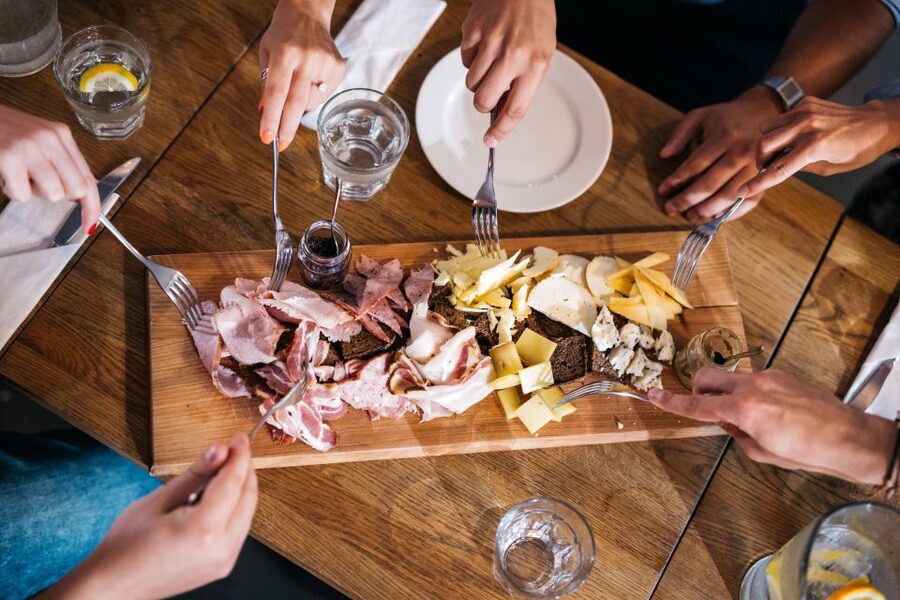
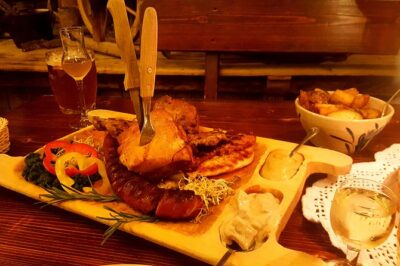
Pierogi gets all the headlines, but this is designed to show you what Polish cuisine looks like when it’s not being simplified for English menus. You’ll taste a mix that includes:
- Cold appetizers like traditional cold cuts and cheeses
- Hot soups for that warming, old-school comfort
- Traditional dishes that reflect local preferences and regional ingredients
- Regional fish as part of the story of what people eat in a coastal area
- Sweets to close out the meal
If you’re used to Americanized Polish restaurants, this tour is a reality check in the best way. You learn that what’s often called pierogi in English-speaking places can be only one slice of the broader food culture.
There’s also a cultural angle to the menu. You’ll hear why people argue about bread quality, why they sometimes talk about longing for food produced in earlier decades, and why the word fermented doesn’t mean spoiled. Those details aren’t random trivia. They explain the mindset behind everyday Polish eating—practical, picky, and proud of how food should taste.
The tour route: eating while you get your bearings
You don’t ride around in a van for four hours. This is a walking experience through central Gdansk. The meeting point is outside the main entrance of Scandic Hotel on ul. Podwale Grodzkie 8. It sits right opposite Gdańsk Główny (the main train station) and next to City Forum shopping mall.
That’s useful for two reasons. First, it’s easy to find even if you arrive by train. Second, it places you in a part of town where you can start learning the layout quickly, not after the tour ends.
As you hop between 4–5 venues, you also get a built-in reason to look up. While you’re waiting for the next tasting, you’re moving through the city center rather than stuck indoors. It’s not marketed as a sightseeing tour, but it quietly does the job of helping you orient yourself.
Vodka, comfort food, and the stories guides bring to the table
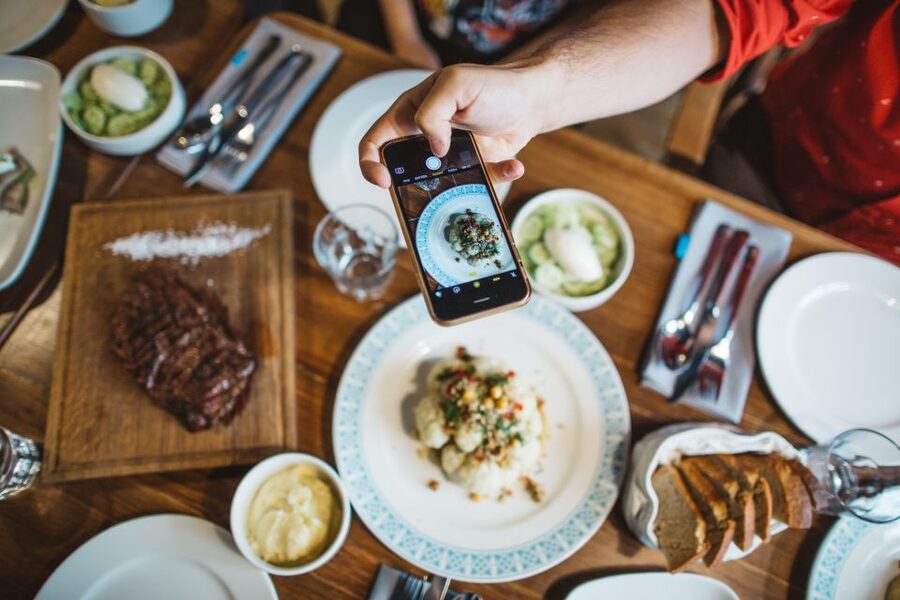
One included element that changes the vibe is the vodka shot. You’re not expected to treat it like a stunt; it’s part of a meal rhythm. The tour also includes written tips afterward, which can help you turn the tasting into a smarter next round of eating on your own.
But the real magic is often the guide’s storytelling. Several guides named in recent tours—Paulina, Eric/Eryk—consistently bring a similar approach: they connect plates to how people think about food, not just what ingredients are inside.
Expect topics like:
- Why Polish bread can become a surprisingly serious conversation
- How people compare food across decades (including that 1970s nostalgia angle)
- How fermented foods are understood and used in everyday life
These stories matter because they give you context. After this tour, when you see bread, cheeses, cured meats, pickles, or soups in restaurants, you won’t just see items on a menu. You’ll understand the cultural logic of why someone orders what they order.
More Gdansk food and drink outings by the water
- Gdansk Food and Sightseeing Tour with Bart
★ 5.0 · 187 reviews - Gdansk Food and Sightseeing Tour with Bart
★ 5.0 · 88 reviews - #1 Polish Vodka Tasting Experience in Gdansk
★ 5.0 · 87 reviews - Delicious Gdańsk Food Tour in Poland
★ 4.5 · 59 reviews
Price and value: is $119 worth it?
At $119 per person for 4 hours, you’re paying for more than the food. You’re paying for access to a route of well-matched venues, guided ordering, and the explanation that turns eating into learning.
Here’s why I think it’s strong value (assuming you’re hungry and you eat like a normal person):
- You get 10–12 dishes worth of tastings, including soup and dessert, not just a couple of snacks
- You’re in a small group (max 8), which usually means less waiting and more attention
- Water at most venues and a vodka shot are included, so you’re not hit with surprise extras just to finish the experience
- You also get a written summary with recommendations for places to eat after
It’s not a budget lunch. It’s a half-day meal plus guidance. If you’re the kind of traveler who likes to make food a centerpiece of the trip, this is a cost you can rationalize quickly. If you barely eat on tours, or you’re hunting for only one or two iconic bites, you may feel like it’s too much.
My simple check: if you’re willing to skip lunch and treat four hours as your main eating window, the price usually lands as fair.
Who should book this (and who might want to pick something else)
This is a great match if you:
- Want variety in a short time (cold, hot, savory, sweets)
- Enjoy food stories that explain culture and habits
- Like a guided plan so you don’t have to guess what’s worth ordering
It’s also a smart choice if you want to leave with a short list of where to go next. The guide typically gives recommendations that help you extend the trip beyond the tour itself.
But it’s not the easiest fit if you’re vegetarian. The tour data is explicit that Polish cuisine is based on pork, and many tour dishes won’t be suitable. If you have allergies, you should notify the organizer so the menu can be adjusted, but you should still expect the tour to be built around traditional dishes that are not usually pork-free.
Finally, there’s a behavioral note: if a participant is actively impeding the tour, the guide may ask them to leave. That’s mainly there to protect the group pace and restaurant flow, but it’s worth knowing.
Practical tips so you get the most out of it
You’ll enjoy this more if you treat it like a real meal plan:
- Eat breakfast and then go light until the tour
- Bring a small appetite for walking between stops, not just the food
- If you’re sensitive to alcohol, the vodka shot is included, so think about whether you want to skip or pace it
- If you have allergies, communicate them clearly before you arrive
Also, be ready for the tour’s sense of humor about portion size. The “Polish hosts serve enough food to make a table collapse” joke isn’t just cute. It reflects the basic expectation that you’ll be satisfied, not hungry-and-looking-around for dinner later.
Quick compare: food tour versus doing it on your own
Doing Polish food on your own can be fun, but it’s slower and less reliable if you don’t know what to order. A guided tour gives you:
- A high chance of good match between your tasting and the venue
- A route that avoids wasted time
- Explanations you wouldn’t get from a menu
If you enjoy wandering and experimenting, you can still do that after the tour. The written tips help you focus your next meal efforts.
Should you book the 4-Hour Polish Food Tour in Gdansk?
Book it if you want the simplest way to understand Polish cuisine in Gdansk without living on trial-and-error. The mix of cold items, soups, traditional dishes, fish, and sweets is exactly what you need for a full taste of the country’s food culture in one sitting. The small group size and consistently strong guide ratings make it feel like a real evening out, not a rushed production.
Skip or reconsider if you’re vegetarian or you need a strictly non-alcoholic experience, since the menu is pork-forward and a vodka shot is included. And if you already plan to do a big lunch, don’t book this unless you’re willing to adjust—this tour is built to be your main meal, dessert included.
If you’re on the fence, think about your trip style: if food is part of your sightseeing, this one earns a spot on your calendar.
FAQ
How long is the Gdansk 4-Hour Polish Food Tour?
The tour lasts 4 hours.
How many food tastings will I get?
You’ll get 10 to 12 tastings across 4 to 5 venues.
What kinds of dishes are included?
Expect cold appetizers, hot soups, traditional dishes, and sweets.
Is the tour in English?
Yes, the live guide speaks English.
Where do I meet for the tour?
Meet outside the main entrance of Scandic Hotel, ul. Podwale Grodzkie 8, opposite Gdańsk Główny, next to City Forum shopping mall.
Is a vodka shot included?
Yes, a shot of Polish vodka is included.
Is water included?
Water is included at most of the venues.
Are additional drinks included?
Additional drinks are not included.
Is hotel pickup included?
No, hotel pickup and drop-off are not included.
Is it vegetarian-friendly?
The tour notes that Polish cuisine is based on pork, so many dishes may not be suitable for vegetarians.
More Gdansk Food & Drink by the Motlawa
- Gdansk Food and Sightseeing Tour with Bart★ 5.0 · 187 reviews
- Gdansk Food and Sightseeing Tour with Bart★ 5.0 · 88 reviews
- #1 Polish Vodka Tasting Experience in Gdansk★ 5.0 · 87 reviews
- Gdansk: Polish Beer Tasting Tour★ 4.7 · 81 reviews
- Delicious Gdańsk Food Tour in Poland★ 4.5 · 59 reviews
More Tour Reviews in Gdansk
- Gdańsk City Sights & History Guided Walking Tour in English★ 4.8 · 876 reviews
- Gdansk: Firearm Shooting Experience with Instructor★ 4.8 · 866 reviews
- Gdansk: Guided Round-Trip Cruise to Westerplatte★ 4.3 · 865 reviews
- Gdańsk: Sightseeing EcoCruise around the Old Town of Gdansk★ 4.6 · 719 reviews
- Main Town Gdańsk Walking Tour★ 5.0 · 644 reviews
More Gdansk Food Walks & Pierogi Tastings
- Gdansk Food and Sightseeing Tour with Bart★ 5.0 · 187 reviews
- Gdansk Food and Sightseeing Tour with Bart★ 5.0 · 88 reviews
- Delicious Gdańsk Food Tour in Poland★ 4.5 · 59 reviews
- Gdańsk: Authentic Polish Vodka & Food Experience★ 4.9 · 50 reviews
- Gdansk: Traditional Polish Food Private Tour★ 4.6 · 33 reviews
Still deciding? Here are more Gdansk tours and Pomerania day trips we have written up



Traditional Polish Food Tours, compared.
 ★ 5.0Gdansk Food and Sightseeing Tour with BartFrom $94187 reviews
★ 5.0Gdansk Food and Sightseeing Tour with BartFrom $9788 reviews
★ 5.0Gdansk Food and Sightseeing Tour with BartFrom $94187 reviews
★ 5.0Gdansk Food and Sightseeing Tour with BartFrom $9788 reviews
 ★ 4.5Delicious Gdańsk Food Tour in PolandFrom $10159 reviews
 ★ 4.9Authentic Polish Vodka & Food ExperienceFrom $7850 reviews
 ★ 4.6Traditional Polish Food Private TourFrom $18633 reviews
 ★ 4.2Legendary Burger and Zywiec Beer at Hard Rock CafeFrom $2032 reviews
 ★ 4.5Gdansk Traditional Food Tour with Old Town SightseeingFrom $18327 reviews
 ★ 5.0Gdansk Private Traditional Polish Food TourFrom $18725 reviews
Browse the lists this tour appears in